
It’s 3:00 AM, and your male cat won’t stop yowling. He’s pacing, rubbing against everything, and acting like he’s lost his mind. You start to wonder if he’s somehow gone into heat, just like a female cat does.
Male cats don’t have a true heat cycle. What you’re seeing is a hormone-driven mating response that starts whenever he senses a nearby female in heat. Understanding this difference is the first step toward calming things down and getting your home back to normal.
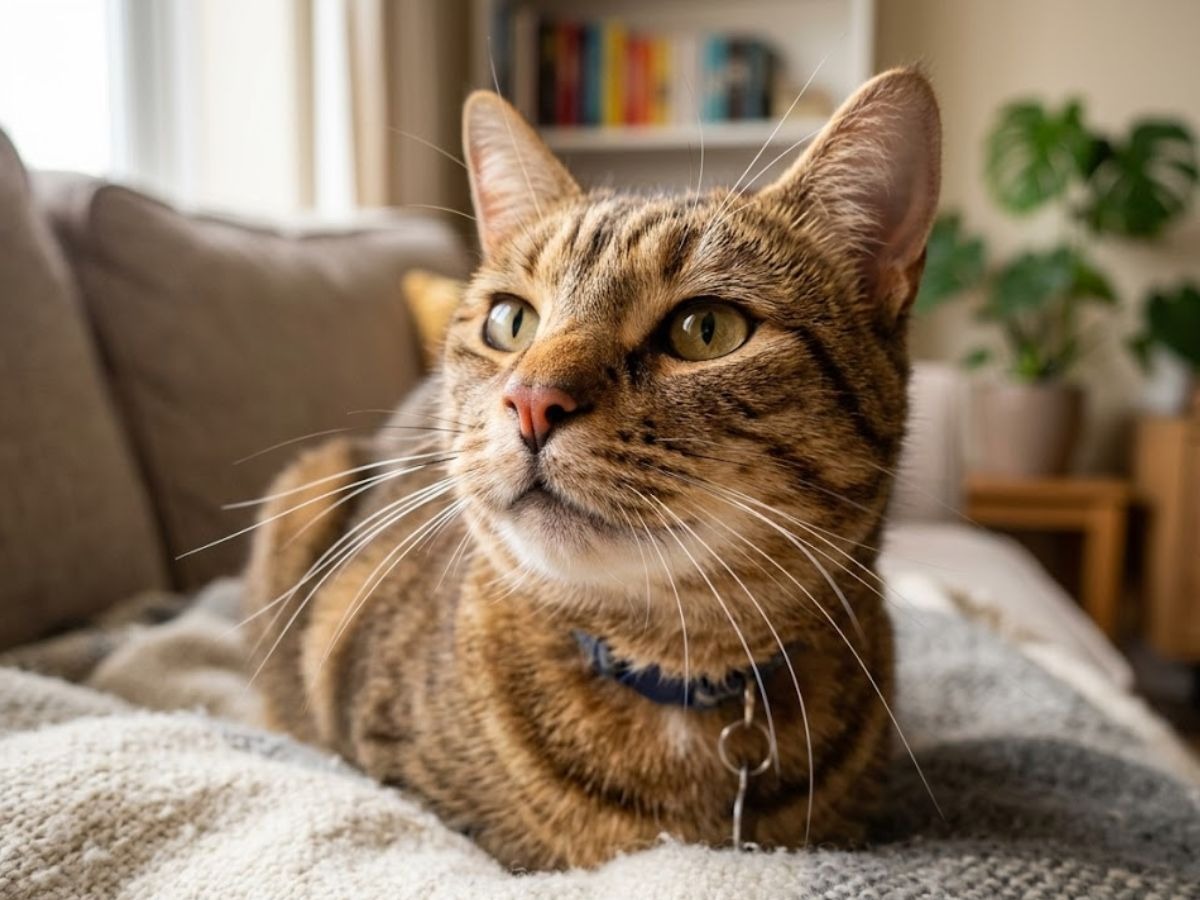
Male cats do not experience estrus, the reproductive cycle that females go through. Instead, intact males react to pheromones released by females in heat, and that response can look a lot like “being in heat” from the outside.
A cat’s vomeronasal organ, sometimes called Jacobson’s organ, helps detect these pheromones. That’s why even one nearby female cat can trigger roaming, vocalizing, and marking in an otherwise calm male.
Instead of asking how to tell if a male cat is in heat, ask if he’s reacting to a nearby female. That distinction matters because the best solution usually starts with reducing triggers rather than calming the cat afterward. When you see his behavior as a response to strong signals, it’s easier to pause and plan calmly.
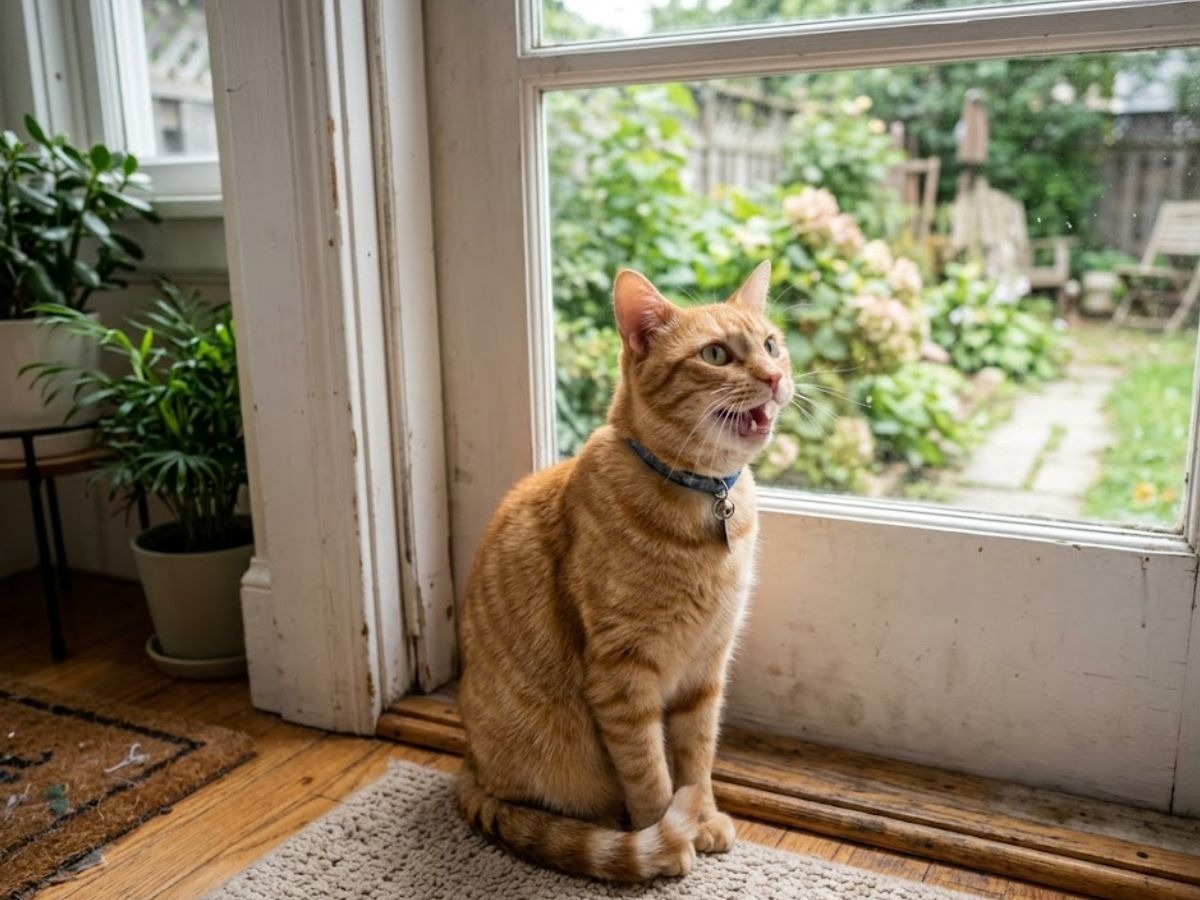
Recognizing the signs of this behavior early helps you distinguish between hormonal drive and potential health issues. Watch for these common signs in your male cat:
You might notice your cat doing things that, at first glance, just look like restlessness or simple behavior problems. However, if your cat is whining at night, he’s likely making a mating call to attract a female.
These behaviors come from a powerful mating drive, pushing your cat to climb trees and seek high spots to survey. While this is normal for an intact male, it makes household management extremely difficult for you.
The behaviors associated with a male cat in heat are largely driven by testosterone. This hormone drives both territorial behavior and the urge to reproduce.
When a male cat picks up female pheromones, his testosterone-fueled behaviors ramp up. He suddenly seems laser-focused, restless, and hard to distract.
Here are some key biological triggers:
You may also notice patterns, like certain times of day or specific sounds outside, that reliably set him off. Those patterns can give you clues about what to change.
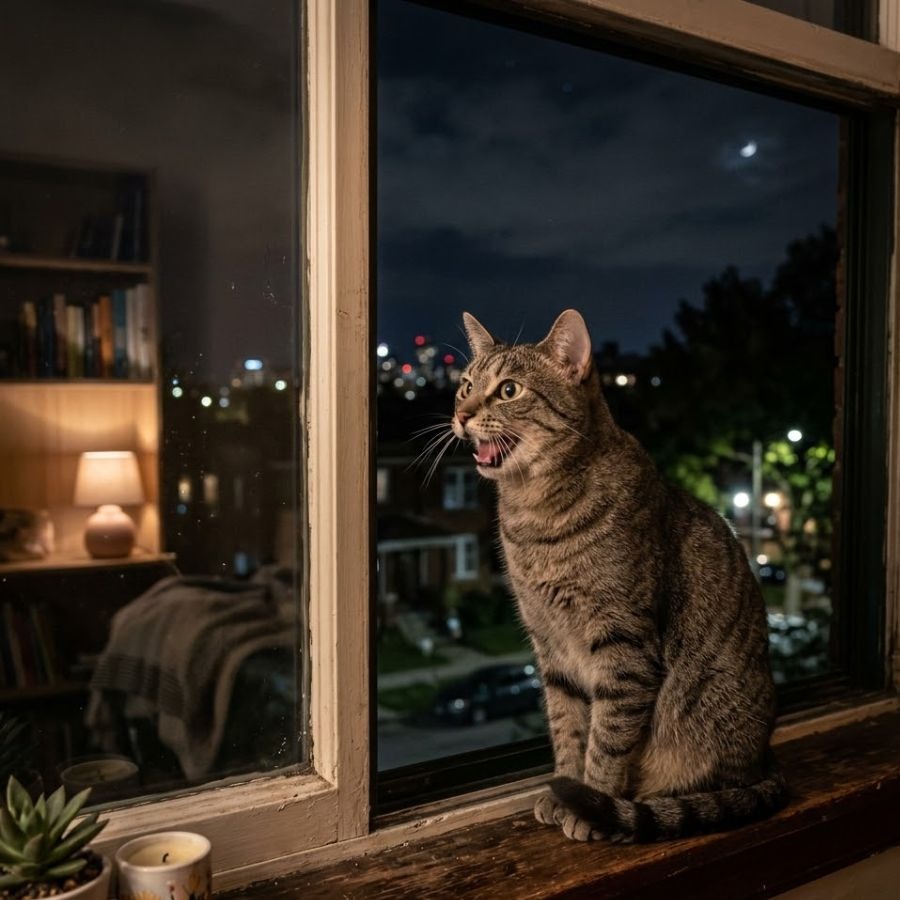
A male cat yowling in heat isn’t just making random noise. He’s using it to call to females and warn off other males.
Because this behavior is instinctive, punishing your cat won’t help. In many cases, it simply increases stress and frustration, which can worsen vocalization. To you, the sound may feel relentless, but to him, it’s simply how he broadcasts that he’s available and alert.
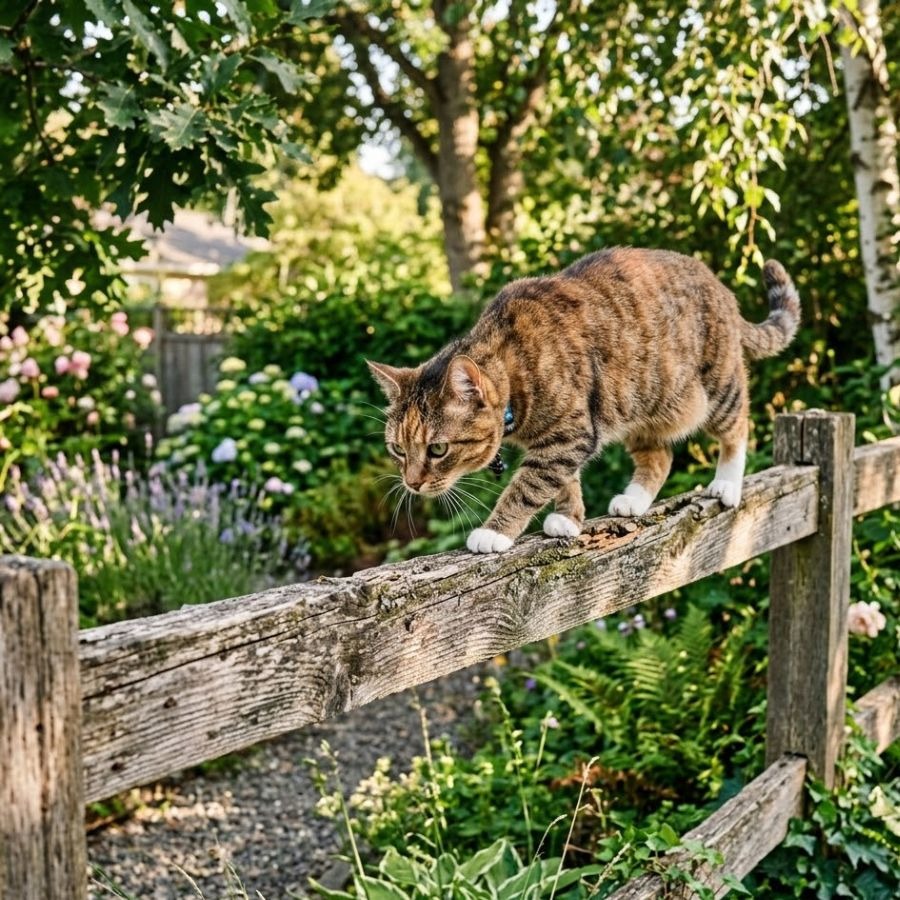
A male cat roaming in heat is driven by a powerful urge to locate a mate. Even indoor cats may become surprisingly determined when exposed to reproductive scents. That extra determination is why some cats start testing screens, squeezing through small gaps, or lingering by doors.
A secure, stimulating indoor setup can help redirect some of that energy. Cat trees, climbing structures, and window perches let your cat safely explore and satisfy his primal instincts. A mix of cat trees and towers is especially helpful for energetic males who need extra mental and physical stimulation.
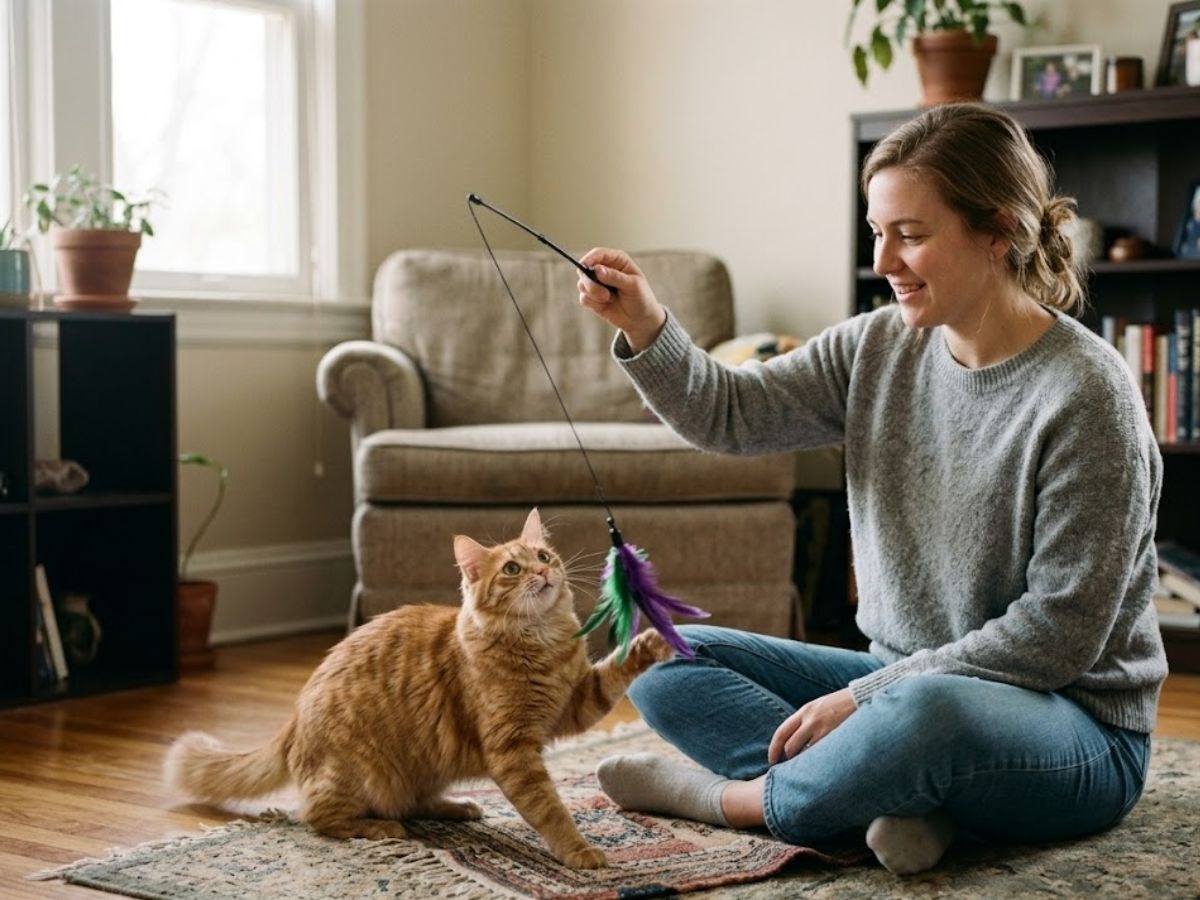
While you work on a long‑term plan, you still need practical ways to get through the hardest days. A few practical tricks can take the edge off fast.
These steps won’t eliminate the behavior completely, but they’ll make daily life easier while you figure out a long-term fix.
Neutering is the gold standard for long-term control of these behaviors. It lowers testosterone levels, which usually reduces roaming, spraying, and mating-driven aggression over time.
It’s fair to ask about cost, but the benefits often go beyond behavior. Neutering also lowers certain health risks and prevents accidental litters, helping both your cat and the wider cat population. Many guardians find that once things settle, their bond with their cat deepens because daily life feels calmer and more predictable.
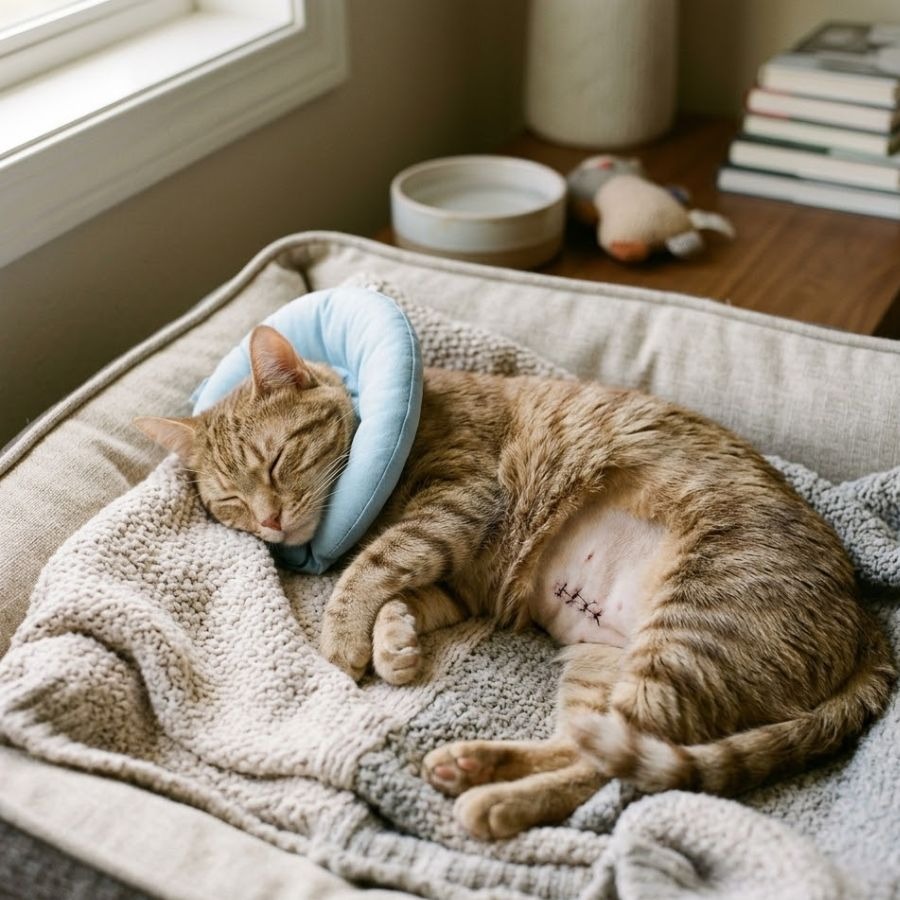
Behavior does not always disappear instantly after surgery. Hormone levels drop slowly, so some habits can stick around for days or even weeks before they fade. Keeping a simple daily behavior diary helps you spot slow, steady improvements you might otherwise miss.
Neutering won’t stop all spraying and roaming right away. These behaviors usually fade gradually, depending on your cat’s age, habits, and environment.

After surgery, quiet rest makes a big difference. A soft, familiar space helps your cat settle and recover without extra stress.
Cat beds make that recovery area more inviting, while collars, harnesses & leashes become useful later for supervised outdoor time. For most cats, though, keeping things calm indoors is the better choice during recovery.

The aftermath of hormonal behavior can be messy and leave your home looking worse for wear. Here is how to handle the cleanup:
If your cat’s scratched the couch, learning how to fix it can save your furniture and your home’s look. Stress from feeling “in heat” can cause accidents, so watch for him lingering or sleeping in the litter box.
These issues are often a cry for help or a sign of extreme anxiety, so be patient. Cleanup is frustrating, but remembering your cat can’t control these instincts makes it easier to respond with empathy.

Yes. Male cats don’t have a true heat cycle but may show heat‑like behaviors when reacting to female pheromones. If his behavior suddenly changes or seems extreme for him, though, check in with your vet for reassurance.
Most male cats start showing mating behaviors between 5 and 12 months old. The exact timing varies with their breed, genetics, environment, and overall development.
No. Hormone levels take time to decrease after surgery. Some improvements appear within weeks, while others may take several months, especially if behaviors have become established habits. Being patient with the process and celebrating small wins, like fewer marks or quieter nights, can make the wait easier.
These behaviors aren’t painful, but they can cause major frustration, agitation, and stress, especially when he can’t calm that drive.
Generally, no. Roaming cats are more vulnerable to traffic, predators, disease, poisoning, and fights with other animals. Keeping your cat indoors is usually much safer.
Yes. Hormone-driven aggression can spill over onto other pets, especially other cats. Giving each pet their own resources, supervising their interactions, and keeping stress low can greatly reduce conflicts.
These behaviors can test your patience, but they also reveal your cat’s deepest instincts. Every yowl, every scent mark, every escape attempt tells you something about the drive he’s wired with. Seeing that drive up close can be overwhelming, but it also gives you a chance to support him more fully.
If something feels off, like painful or very frequent marking, check with your vet to rule out a urinary tract infection. Beyond that, trust yourself to choose what’s best for your cat and home, whether it’s neutering, careful management, or both. Either way, a little patience now goes a long way toward a calmer household later.