
You step into the yard, call your cat’s name, and hear nothing. Then you look up. There they are—perched on a branch, staring down at you like you’re the odd one in this situation. They seem calm, almost smug, but how did they even get up there?
It’s a scene most cat owners know well. Your pet has everything they need and zero survival concerns, yet they still climb the highest spot they can reach. It feels random, maybe a little frustrating, especially if they seem stuck. But this behavior isn’t random at all. It traces back thousands of years, when your pet’s ancestors had to outsmart and outrun their predators to survive.
Modern cats carry those same instincts. They don’t climb because they’re mischievous or testing your patience. They climb because something deep inside them says it’s the right thing to do. Once you understand the cause, everything makes sense, and you’ll know how to keep them safe while they follow their instincts.
Cats do not climb trees just because they feel curious. Their body and brain push them toward high places for survival.
Wild cats faced many dangers on the ground. Bigger predators often hunted from below, which meant climbing offered a fast escape route. Height created distance from danger. Even today, your pet still carries that same instinct, even if their biggest threat is a loud vacuum or a barking dog.
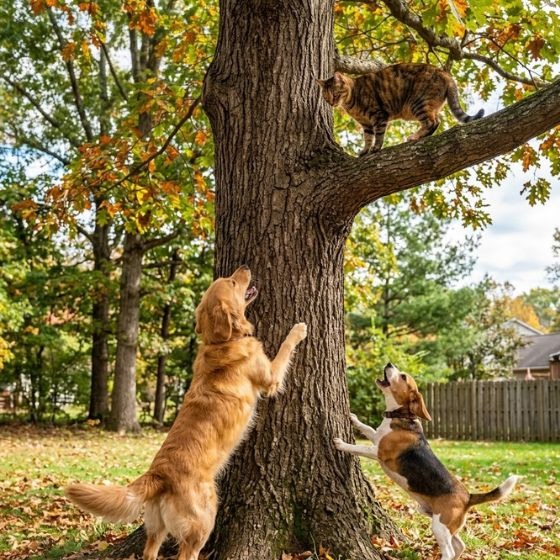
Cats rely on quick reflexes. When something feels off, climbing is often the fastest way for them to get out of harm’s way. A tree gives them a place to retreat, since most animals cannot follow them far up the trunk.
A high branch gives your pet a moment to pause and assess what is happening below. This small break lowers stress and helps them feel in control. Even indoor cats still carry these old survival habits.
A lot of cats head for higher ground when something catches them off guard. A loud sound, an unfamiliar person, or another animal can be enough to set it off. Rather than darting across open space, they climb, where they feel more hidden and secure.
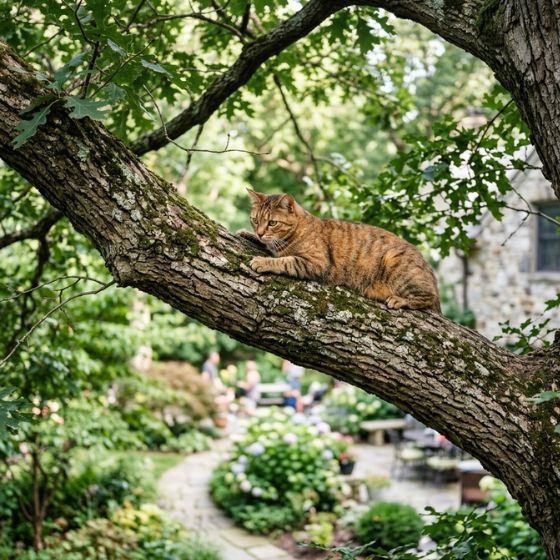
From up high, cats can keep an eye on everything around them. The extra height helps cats notice movement, hear sounds, and watch birds, bugs, or people below.
Your pet does not just sit there for no reason. They study their environment carefully. Cats are natural observers, and a tree offers a front-row seat to everything around them.
This elevated view also helps them protect their territory. Cats like knowing what enters their space, and a high perch allows them to watch without getting involved.
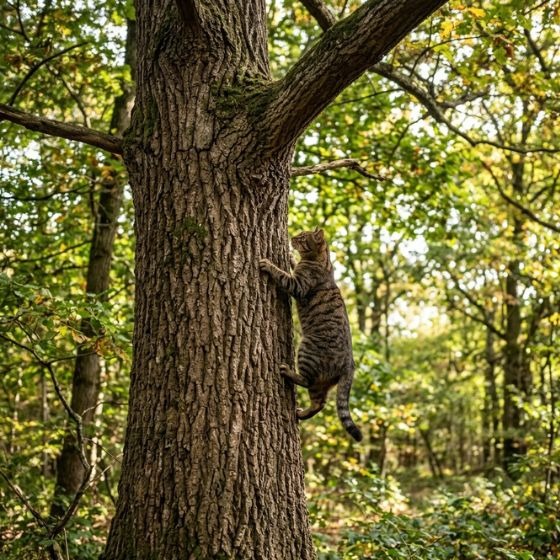
A cat’s body works like a climbing machine. Their strong back legs provide the power to leap upward, while their flexible spine helps them twist and balance. Even a small cat can climb quickly when motivated.
Sharp claws play a major role in tree climbing. Cats extend their claws into bark to grip rough surfaces and keep them steady while moving upward.
Their light bodies also give them an advantage in trees. Compared with heavier animals, cats move quickly and step with precision. They trust their footing, so they often climb without second-guessing it.
Sometimes the behavior happens purely for comfort and fun. A tall trunk offers unique benefits that flat ground lacks. Your pet may enjoy safety, sunshine, scratching, rest, and a better view in the branches. Here are the main reasons they enjoy the high life.
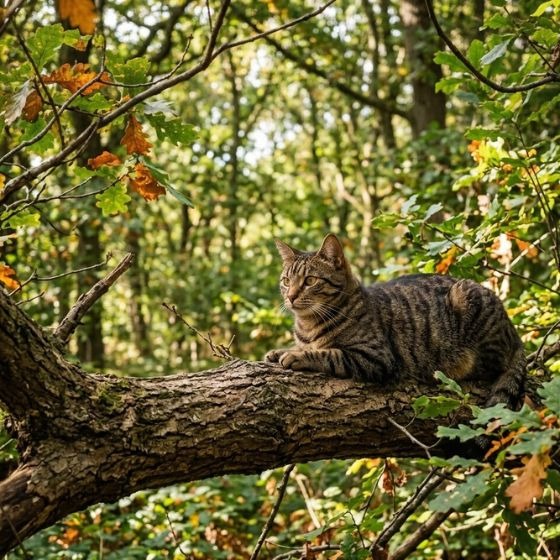
High spots catch the best, warmest sunlight during the day. Leaves and branches offer a mix of pleasant shade and direct rays. Your pet loves to soak up this natural warmth.
A warm sunbeam regulates their body temperature, and sleeping high keeps them warm and away from damp grass. It offers the ultimate spot for a long afternoon nap.
Sunlight also helps regulate their sleep cycle. They may spend hours stretched out in the warmth before becoming more active around twilight. That heat can also loosen stiff muscles, leaving them deeply relaxed.
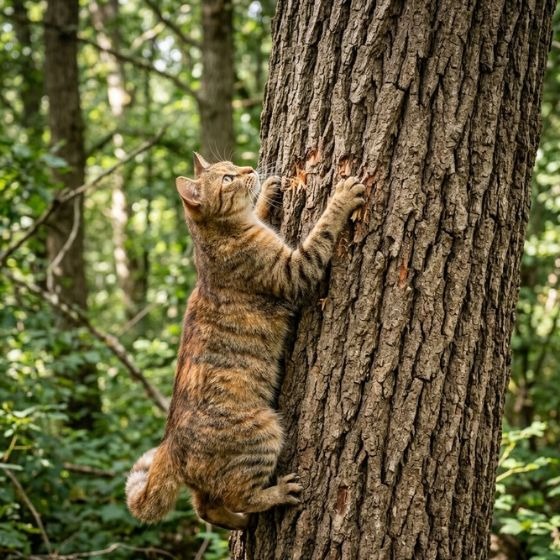
Tree bark provides the perfect rough texture for scratching. Your pet needs to scratch to shed old, dead claw sheaths. This action keeps their weapons sharp and healthy.
Scratching a tree leaves visible marks that other animals can notice. Cats also leave scent from glands in their paws, so they can claim the area without making a sound.
A scratched trunk sends a clear message to other animals in the area. It marks the space as claimed and can help reduce confrontations with strays.
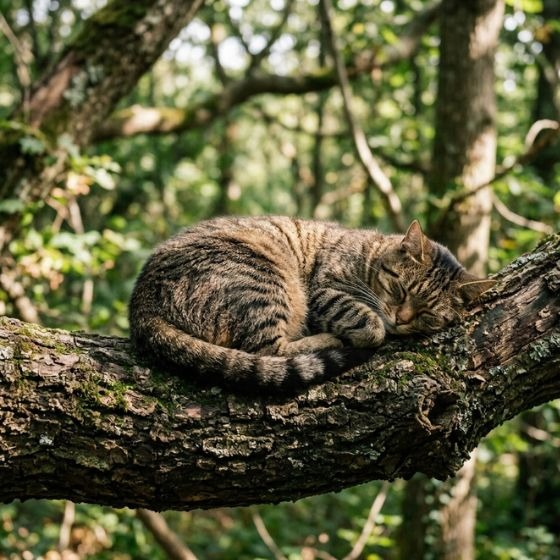
Ground level often gets noisy and chaotic for a small animal. Energetic dogs, loud kids, or lawnmowers can cause major stress. The branches offer a peaceful space away from loud noises.
Your pet can watch the chaos safely from a distance. Nobody bothers them when they sit ten feet in the air. The distance brings them immense comfort and relaxation.
Every animal needs a private space to recharge their mental energy. A high branch becomes a private bedroom for your companion. They return to the ground feeling refreshed and calm.
There’s more going on here than simple curiosity. When your cat climbs, their body and instincts work together in ways that make perfect sense.
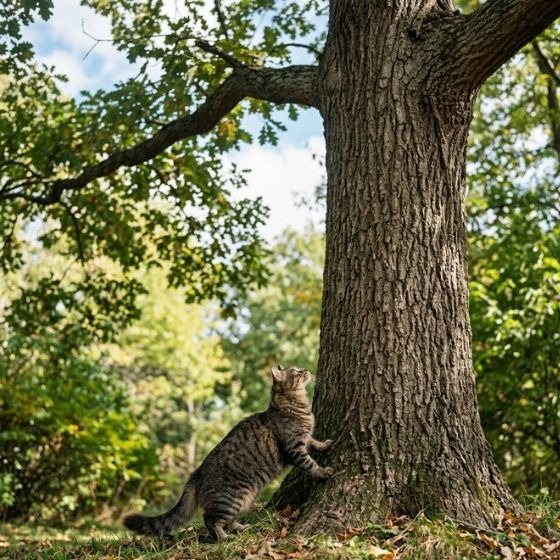
A trip up a tree gives your cat more than a better view. It works their muscles, stretches their back, and helps them burn off extra energy.
Each jump relies on the back legs for most of the power. At the same time, the spine extends and twists, which helps keep the body loose and strong. In many ways, climbing acts like a full-body workout.
Climbing also helps keep them in shape. Even a short climb can raise your cat’s heart rate and keep them active, which is critical for indoor cats. It also helps them stay agile.
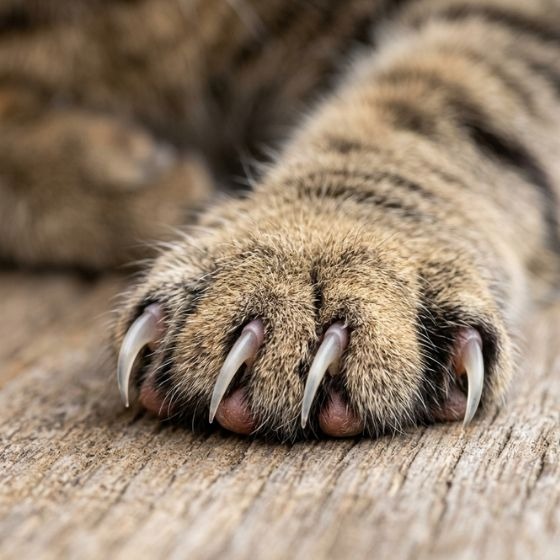
Much of your cat’s climbing skill comes down to claw shape. Their claws hook into bark with ease, which makes going up feel natural.
Because the claws curve backward, they catch well when your cat moves upward. Coming down is harder for the same reason. That’s why some cats can race to the top of a tree, then pause and seem unsure about the trip back down.
Climbing also helps wear away old claw sheaths. As those outer layers peel off, newer, sharper claw tips come through. This is one reason cats often enjoy trees, scratching posts, and other rough surfaces.
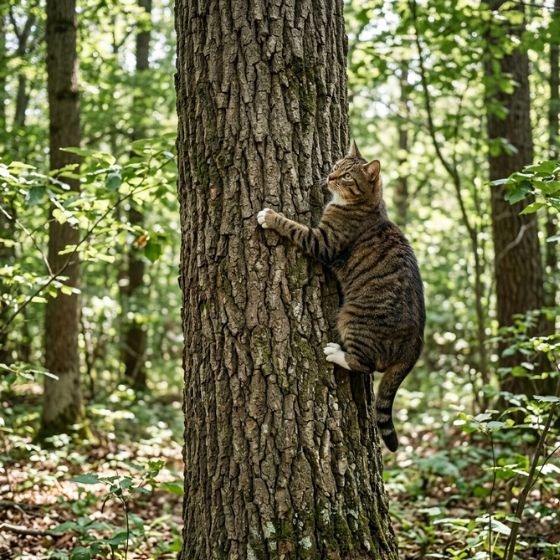
Your cat’s posture can tell you a lot once they’re off the ground. Small signals often show whether they feel calm, alert, or overwhelmed.
If the ears point forward and the tail moves slowly, your cat is likely comfortable. If the ears flatten, the tail starts snapping, or the body goes stiff, they may be stressed or scared.
You may also notice the difference in how they sound and move. A relaxed cat may sit quietly, blink slowly, or even purr. A frightened one may freeze, cry out, or cling tightly to the trunk while looking for a safe way down.
Climbing is natural and healthy, but it does come with risks worth knowing. Most are manageable once you’re aware of them.
Common outdoor dangers
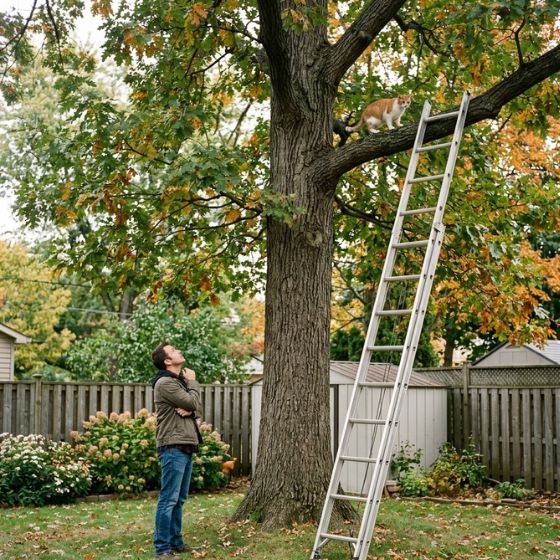
If your cat stays in the tree for hours, step in if they show no sign of coming down. Start by removing any other animals from the area and reducing noise as much as possible. Then try calling your cat in a calm, relaxed voice. High-pitched or stressed tones will only make them more anxious.
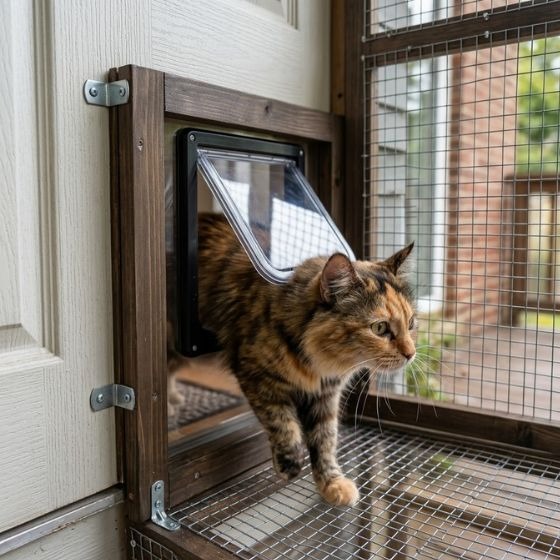
The best long-term solution is giving your cat a safe, controlled place to express this instinct. A catio, an enclosed outdoor structure attached to your home, lets them be outside without getting into trouble. They can climb, scratch, and sunbathe without the risks that come with full outdoor access.
Indoor Alternative
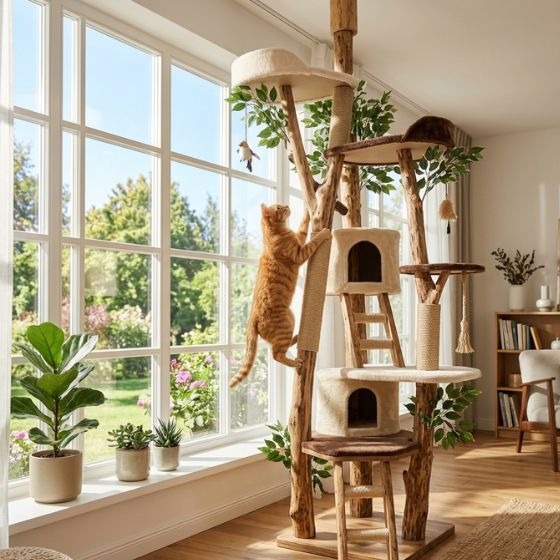
A tall indoor cat tree with sisal scratching posts gives your cat a safe place to scratch, climb, and perch.
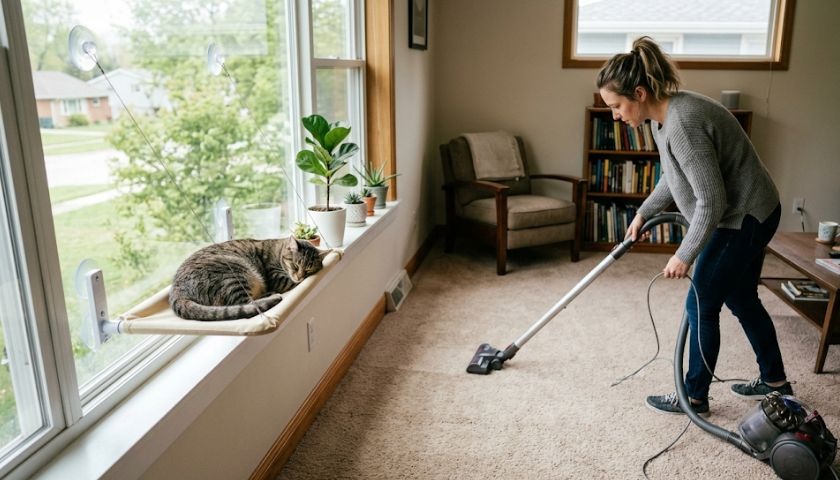
Tall cat trees with multiple levels, sisal posts, and open perches can satisfy almost every instinct we’ve talked about here. Your pet can scratch, climb, rest high up, and survey the room from above, all in a space you’ve approved. Place it near a window, and you’ve effectively recreated the outdoor experience in a controlled way.
At first, it can be unsettling to spot your cat up in a tree. You might assume they are trapped, frightened, or just being difficult. More often, though, the urge to climb comes from instincts that once helped their ancestors stay alive.
Your pet is not climbing to the highest spot to be difficult. They go up because it feels safe, satisfying, and worth it. A tree gives them a place to keep watch, settle down, scratch, and explore.
Rather than punishing the behavior, it helps to look at what climbing is telling you. When a cat climbs, it is often acting on healthy curiosity and built-in instincts. If you shut that down completely, they may end up bored or frustrated.
Take a look around your home today. Could you add a tall cat tree with scratching posts, a window perch, or a climbing shelf? Small changes can help your pet feel happier while giving them a safe place to reach new heights.