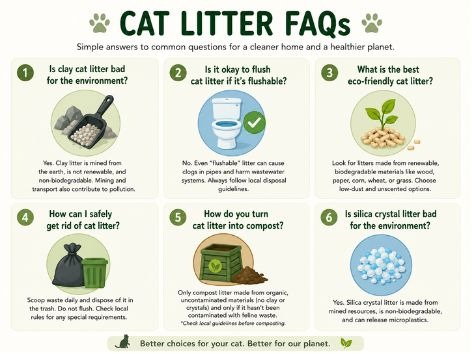
The cat litter industry generates over two million tons of waste every year in the U.S. alone. In the UK, an estimated 774 million liters of used litter end up in landfills annually. That’s a staggering amount for a product most people toss without a second thought.
Cats are wonderful companions. But their daily needs carry an environmental cost most owners never consider. So, is cat litter bad for the environment? The answer is more than a simple yes or no. This article breaks down what’s happening beneath the surface. It also points you toward cleaner choices for both your home and the planet.
Before diving into alternatives, it helps to understand why conventional litter is problematic. Most popular products share the same base material, and that’s where the issues begin.
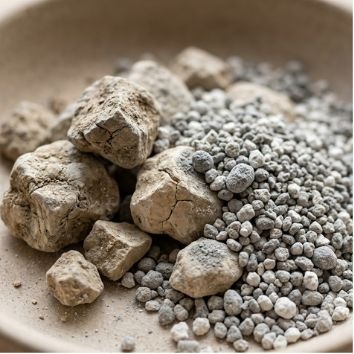
Most traditional cat litter is made from sodium bentonite clay. This material is prized for its clumping ability, which makes cleaning easier for pet owners.
However, it doesn’t occur in a ready-to-use form. It has to be extracted through industrial processes on a massive scale that disturb natural landscapes.
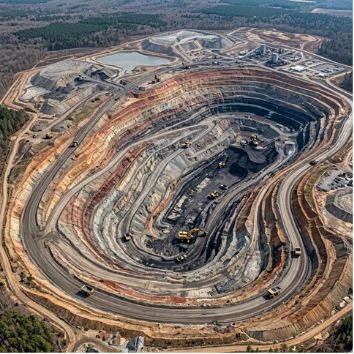
Strip mining is used to get sodium bentonite, which is one of the worst ways to get minerals. The process takes away 30 to 40 feet of topsoil, which kills plants and ecosystems as a whole. This destroys wildlife habitats, reduces biodiversity, and pollutes water tables, harming ecosystems and communities.
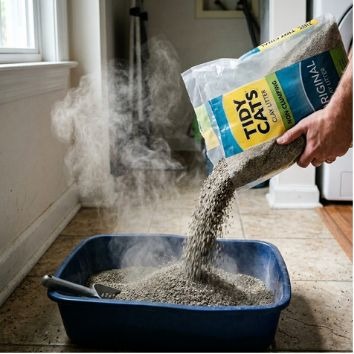
Fine dust made by clay litter also contains crystalline silica, which is known to cause cancer. If inhaled repeatedly, it can irritate the lungs and aggravate breathing problems.
This is even more concerning if your cat spends a lot of time in the litter box, especially if it sleeps there. Breathing in dust in a small space can raise health risks for both cats and people.
Clay litter’s environmental impact goes beyond mining. Its production uses significant energy and resources at every stage. That’s a lot of damage done before it even gets to your house, from getting made to being packed.
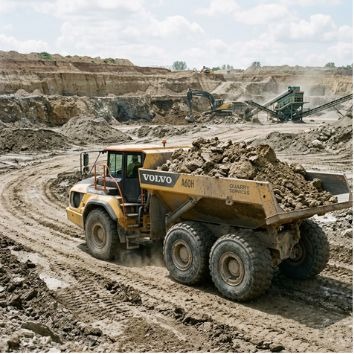
Mining requires heavy equipment, fuel, and processing equipment. Once mined, the clay is crushed, dried, processed, and packed.
Getting that clumping texture takes extra processing. And every step uses electricity and fossil fuels, which adds to the product’s carbon footprint. When multiplied across millions of households, the energy demand becomes enormous.
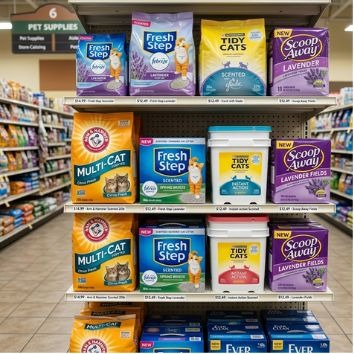
Many conventional litters contain more than just clay.
Common additives are:
Even though these additives might make things work better, they also contribute to waste generation. Once discarded, these chemicals can seep into local ecosystems via landfill runoff and other environmental pathways.
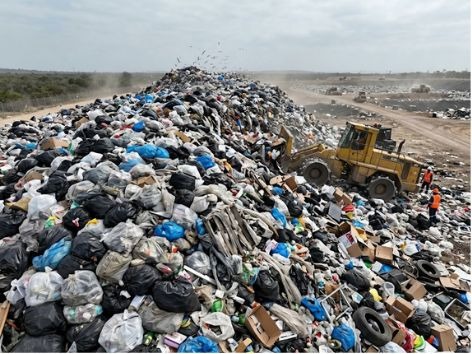
The average cat litter landfill situation is a growing environmental crisis. We throw away millions of tons of waste every year. Here’s how this waste affects the environment:
Clay litter doesn’t break down. When thrown away, it sits in landfills for thousands of years.
It forms a heavy and permanent foundation for future waste. It takes up valuable space in our rapidly filling municipal dumps, burying a massive problem for future generations.
The supply chain footprint for clay litter is incredibly heavy. Because bentonite clay is dense, transporting it from mines takes a lot of fuel.
It goes from mines to factories to shops. Shipping this heavy product creates excessive greenhouse gas emissions, adding a hidden ecological cost to every single box.
Cat litter can contribute to methane emissions in landfills. Organic cat waste usually gets trapped inside tight plastic bags. It gets buried under heavy layers of unbreathable clay litter. Without oxygen, trapped organic matter breaks down and releases methane, a powerful greenhouse gas.
It seems like a convenient option. But flushing litter creates serious problems.
Why flushing cat litter is a bad idea:
Bentonite clay can expand up to 15 times its original volume once it absorbs water. Flush it, and you’re looking at a serious blockage. Septic systems are especially vulnerable.
Small amounts flushed regularly still build up over time. The clay hardens and can cause costly damage. It’s simply not worth the risk.

Even plant-based litter labeled as flushable comes with a serious warning. Cat poop can contain a parasite called Toxoplasma gondii that some water treatment systems might not eliminate.
Once in waterways, T. gondii can impact marine life and threaten public health. That’s why experts say not to flush cat waste, no matter what type of litter you use. A safer option is to seal the waste and throw it out with your regular trash.
The way you dispose of cat litter can make a real difference. Even small changes can add up over time.
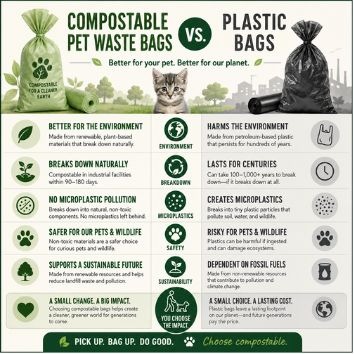
Normal plastic bags can hold trash for a very long time. Better to switch to compostable bags or bags made from 100% post-consumer recycled plastic. These options produce less waste and pollution in the long run.
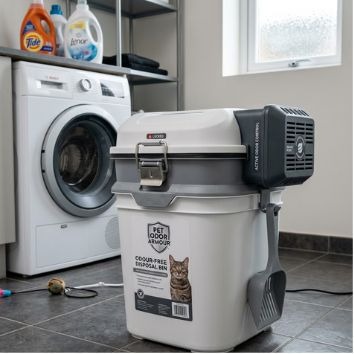
A dedicated bin with a tight lid helps control odor and reduce bag waste. Add a little baking soda to keep the smell down. That makes it easier to dispose of rubbish and helps reduce waste.
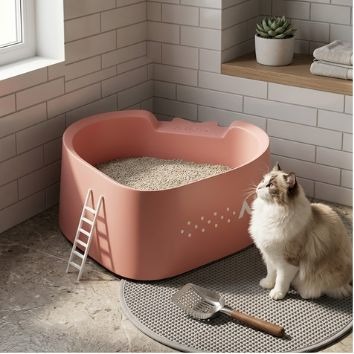
A good litter box, scoop, and mat can keep litter in one place and stop it from getting tracked around. Setting up something more contained, like the Strawberry Fat Cat Litter Box, helps keep the litter where it belongs.
Less tracking equals less sweeping and fewer tiny litter particles in your home. Making this small change will help keep your space cleaner and easier to use.
You could also compost, but you need to plan it out carefully and follow strict safety rules. Some litter can’t be safely composted.
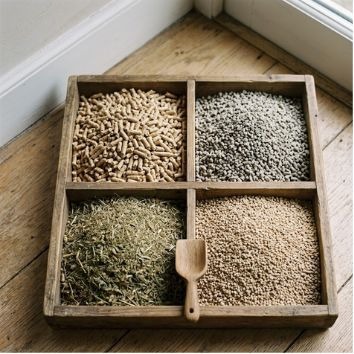
Only compost cat litter consists of renewable, plant-based materials that are biodegradable.
Suitable options include:
Never put silica or clay litter in compost.
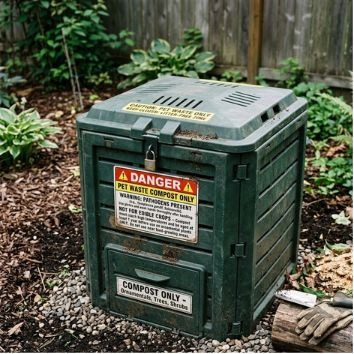
Cat poop can contain parasites, bacteria, and disease-causing organisms. For that reason, never use compost made from pet waste on vegetables, fruit trees, herbs, or other edible plants. Instead, use it only on ornamental plants and other non-food garden areas.
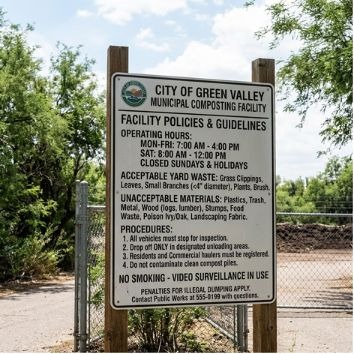
Most city composting programs don’t accept pet waste. As a result, home composting remains the most practical option. If you choose this route, maintain a dedicated pet-waste compost system completely separate from standard household compost.
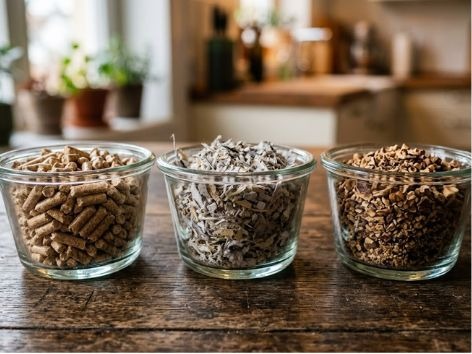
Making the switch to a sustainable cat litter is easier than you might think. Some good green options work well and offer real benefits.
The most sustainable cat litter is made from renewable materials. Wood and pine litters often use reclaimed wood fiber. They absorb well and naturally control odor.
Paper litter is made from processed and recycled paper materials. It’s incredibly soft on paws and excellent for injured cats. It produces zero dust and is very gentle on noses.
Cats can be very sensitive to sudden changes in routine. You should never replace their old litter box filler immediately. A slow and steady transition is the key to success.
Start by mixing the new litter with the old clay. Add a little more of the new litter each day until they get used to the new texture.
Natural litters are generally low-tracking and much cleaner overall. This saves you from finding cat litter stuck in paws everywhere. It helps keep litter off your beds, couches, and floors.
A clean, dust-free environment can also alleviate bad feline behaviors. If your cat sits in the litter box, they just prefer a softer, cleaner, and more natural space.
| Litter Type | Material Source | Key Benefit |
| Wood/Pine | Reclaimed wood fiber | Stops odors naturally |
| Paper | Recycled paper | Soft on injured paws |
| Corn & Wheat | Natural starches | Fast clumping action |
We put a lot of thought into protecting our cats. We research their food, their comfort, and even things like how cats stay warm outside in winter. But our indoor habits matter just as much for the world around us.
The choices we make inside our homes ripple outward. Clay litter, tossed week after week, gradually builds into a much larger problem. The good news is that cleaner, more sustainable options are readily available and genuinely effective.
This month, try making one swap. Switch to a plant-based litter and see how your cat does. Even small changes can make a real difference over time. Every more sustainable choice helps create a healthier planet for both people and pets.