
You’ve been there. It’s early morning; you’re walking barefoot to the kitchen, and then… crunch. A sharp, damp piece of clay litter embeds itself in the sole of your foot. It’s one of those small, daily miseries that cat owners know all too well. Before coffee, before breakfast, and before anything, the litter trail finds you.
Cat litter stuck in paws is one of the top complaints among cat owners, and honestly, it makes sense. Cats dig. That’s just what they do. And when they’re done, they take half of the litter box out with them. You are not alone in dealing with this, and more importantly, you are not stuck with it.
The good news is that this problem has real, practical solutions. Once you understand a little about feline paw anatomy and wet litter behavior, the fix becomes much less mysterious.
Cat litter doesn’t magically teleport across the house. Most of the time, it sticks to paws when moisture, fur, and pressure come together inside the box.
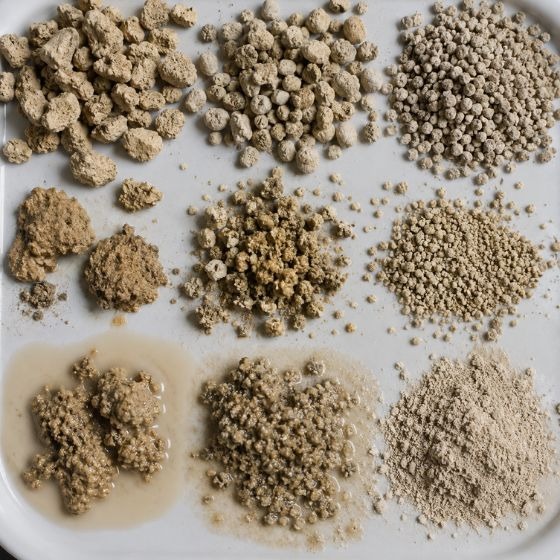
Fine-grain litter is one of the biggest reasons litter sticks to paws. Tiny particles easily wedge themselves into the grooves of paw pads, especially after your cat urinates. Once moisture enters the equation, the litter becomes tacky and sticks like wet sand at the beach.
The issue gets worse when the litter takes too long to absorb moisture. Slow-drying litter allows damp clumps to form before they fully harden. Cats dig and cover waste, often stepping into wet litter before it fully sets.
Dirty litter boxes also make the problem harder to control. Saturated litter tends to break apart rather than form clean clumps. That leaves sticky residue throughout the box, increasing the odds of wet granules clinging to your cat’s paws.
Humidity inside the home can add another problem. In warm or damp climates, litter absorbs moisture from the air more easily. Even clean litter may feel slightly soft instead of crisp and dry, which makes tracking worse over time. Bathrooms, laundry rooms, and poorly ventilated corners can make this issue more noticeable.
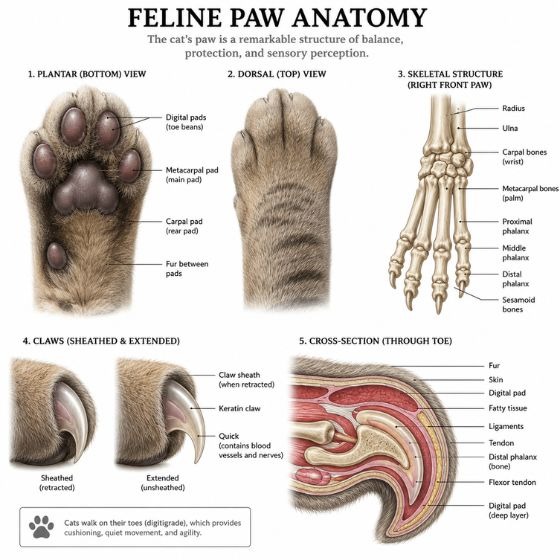
Cats were not designed with spotless hardwood floors in mind. Their paws are built for climbing, stalking, balancing, and gripping surfaces. Those tiny spaces between the toes and paw pads naturally trap loose particles.
Long-haired cats tend to struggle the most with litter tracking. Breeds with fluffy paws often collect granules between the toes, where the fur acts almost like Velcro. The litter stays hidden until the cat walks through the house and shakes it loose onto furniture, rugs, or beds.
Even short-haired cats can experience buildup if the fur around the paw pads becomes overgrown. Litter sticks to those hairs after digging or covering waste. Cats that kick litter hard create more chances for it to cling.
Age matters too. Older cats may move more slowly or put more pressure on their paws when leaving the box. That heavier contact can push damp litter deeper into the fur and pad creases. Cats with sore joints may also pause longer in the box, allowing wet litter to attach.
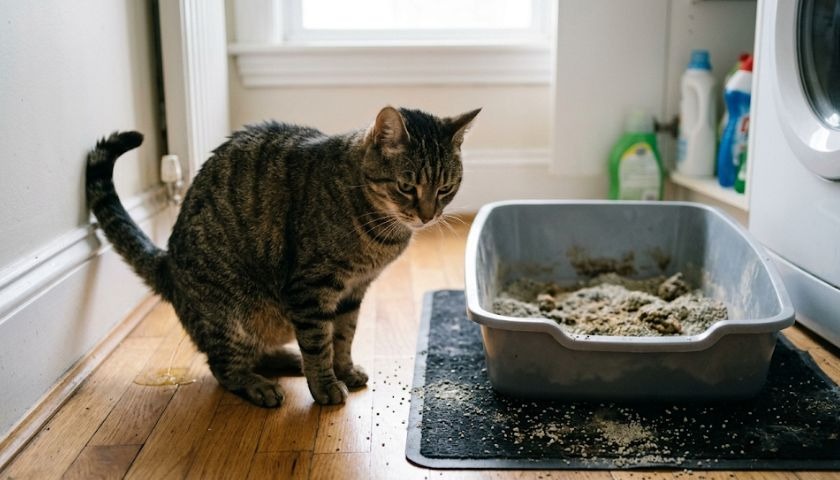
We often treat tracking as just an annoying household chore that requires endless sweeping. However, a single piece of litter stuck in a cat’s paw can actually cause behavioral changes.
Cats hate feeling dirty, and they might start avoiding their box entirely if stepping inside causes them physical discomfort. When a cat stops using their designated bathroom, the problem quickly escalates from dirty floors to ruined carpets.
There is also a hidden health risk involved with sticky feet. If cats keep licking litter off their paws, they may swallow clay or dust, which can upset their stomachs. Clean paws help keep them healthy.
The litter you use matters more than you might think. Even small changes can make a noticeable difference fast.
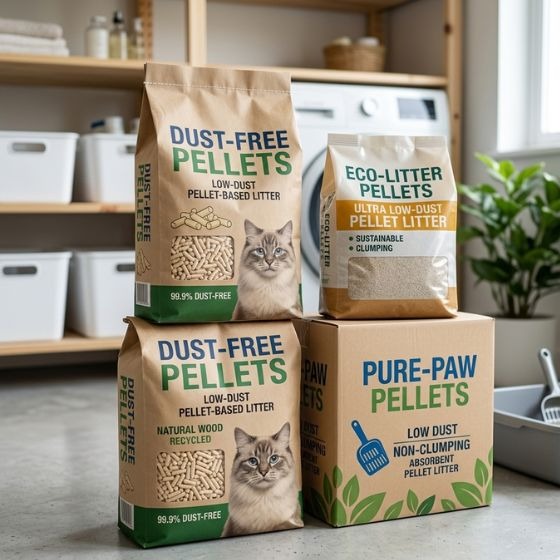
Low-dust litter helps reduce tracking. Regular clay litter often creates fine dust that sticks to paws and gets spread through the house.
Pellet-based options, such as wood, corn, and paper litter, use larger pieces that do not cling as easily. Instead of getting stuck in paw pads or fur, they fall off as your cat leaves the box. They can also be easier to spot and sweep up if a few pieces do escape.
Some eco-friendly materials, like walnut shell litter, can track up to 40% less than fine clay. That’s because their texture strikes a balance between absorbency and minimal adhesion.
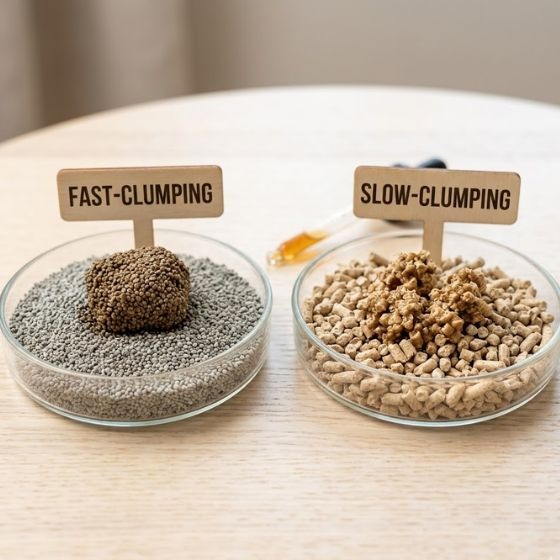
Clumping speed matters more than most cat owners realize. When litter clumps slowly, there’s a window where moisture leaves wet spots that cats can step in.
Fast-clumping litter works by sealing moisture almost instantly. This helps prevent sticky spots and keeps the litter drier for the next trip.
If you use slow-clumping litter, switching to a fast-clumping formula can reduce sticking and tracking. It’s a small change that often delivers immediate results.
Even with the right litter, a few environmental and routine changes make a real difference. These are the solutions that actually work:
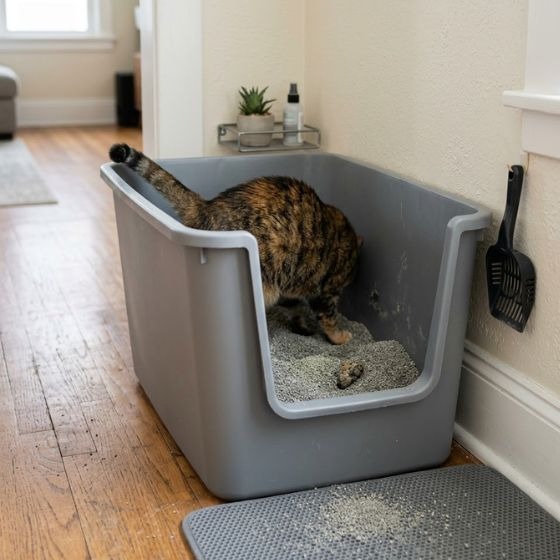
Box design is underrated. Standard open trays with low walls let litter scatter easily, so each scratch sends granules out of the box. Switching to a box with higher sides does a better job of containing the mess. It also gives your cat room to dig without flinging litter across the room.
Covered boxes and top-entry boxes go even further. With a top-entry design, the cat has to climb up and out through a hole in the lid. That movement knocks off most of the litter stuck to the paws before the cat reaches the floor. It works in your favor without adding any extra work.
Box placement matters too. Putting the litter box on hardwood, tile, or laminate instead of carpet makes cleanup faster. It also keeps loose granules from getting stuck in fabric fibers, where they are harder to remove. Good airflow around the box can help as well, since damp, stale areas tend to keep litter softer for longer.
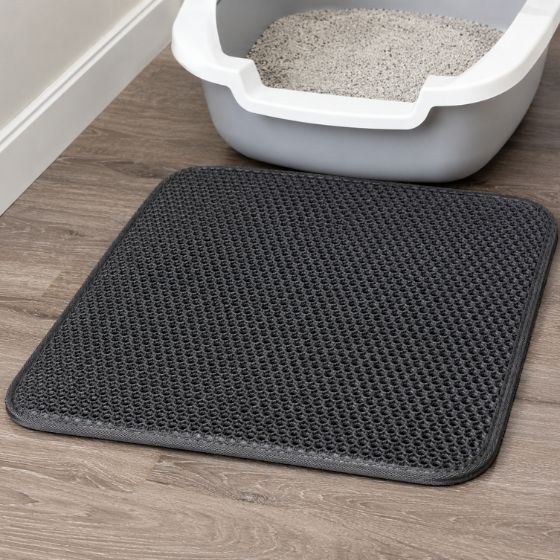
A good litter mat is one of the highest-impact, lowest-effort investments you can make. Quality paw mats with a textured or dual-layer surface can trap up to 90% of loose litter before it spreads through your home. The granules fall through the top layer and stay trapped underneath until you shake out the mat.
Placement is key. Put the mat in front of or under the box exit so your cat has to walk across it. Dual-sided mats with a rough outer layer and a waterproof inner layer are effective because they both scrape and contain. Larger mats usually work better than small ones, simply because they give your cat more surface area to step on.
Integrating functional litter boxes, litter scoops, and litter mats into your setup doesn’t have to be an eyesore. Many newer options look clean and blend in while still helping keep the area tidy.
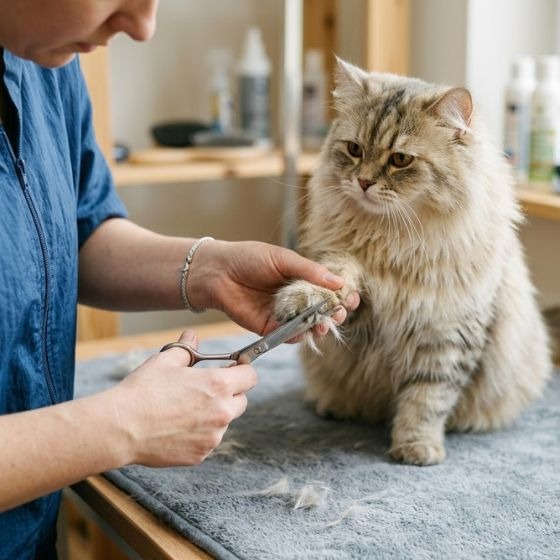
If your cat has long paw fur, regular trimming makes a tangible difference. You can do this at home. A pair of blunt-tipped scissors works well for carefully trimming the hair between the toe pads. A small electric facial trimmer, like one used for eyebrow or ear hair, also does the trick. Keep the fur flush with the pad surface, and granules will have far less to cling to.
On the cleaning side, keep a small cordless vacuum nearby for quick litter cleanup. Daily vacuuming around the box keeps litter from slowly spreading through the house. It also keeps cleanup manageable without a major cleaning session. Scooping often helps too, because cleaner litter stays drier and breaks apart less under your cat’s feet.
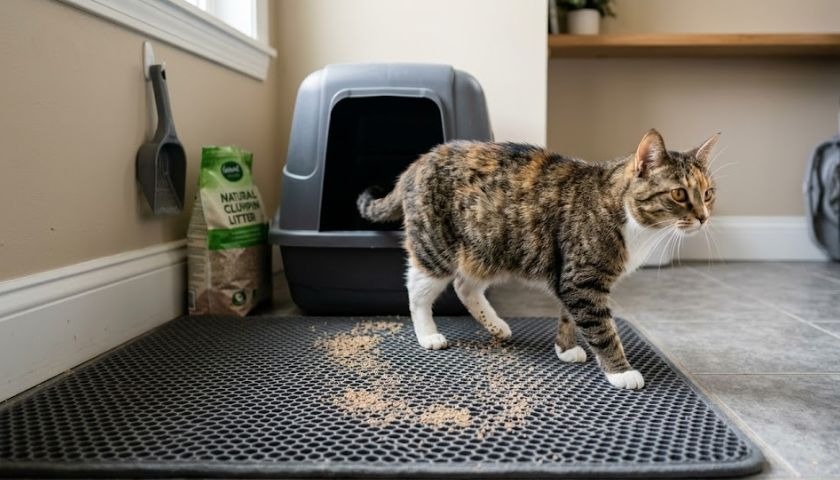
Wet litter binds to moist paw pads and fur, creating sticky clumps that easily track across floors. Slow-clumping litter makes this worse because it stays wet longer.
Yes. Long fur between the paw pads can easily trap litter, especially in fluffy breeds like Persians or Maine Coons. Trimming excess paw fur often drastically reduces tracking.
Not always. Fast-clumping litter reduces sticking by absorbing moisture quickly. Poor-quality or slow-clumping formulas, however, may create muddy residue that sticks more aggressively.
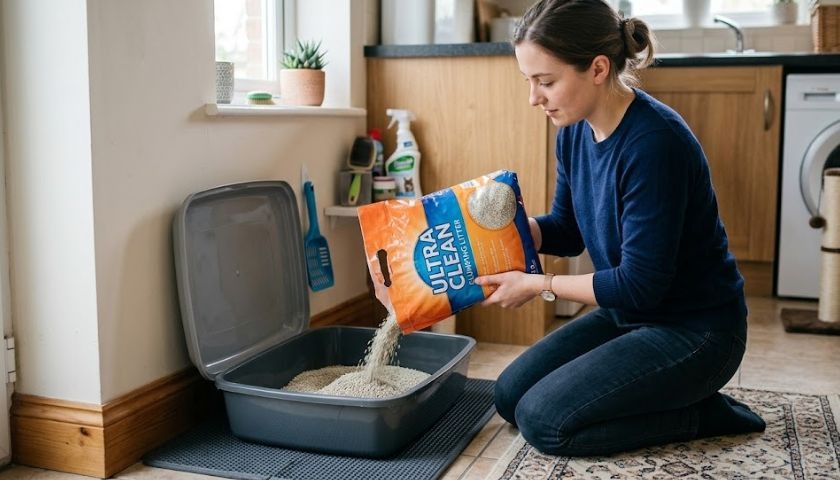
Dealing with scattered clay is frustrating, but it helps to reframe the problem entirely. Your cat is not trying to make a mess on purpose. Tracking happens because a cat’s digging instinct doesn’t fit neatly with indoor living.
It can take time to find what works, so be patient. Do not change everything at once, or your cat may get stressed and avoid the box.
Pay attention to how your cat digs, and try different litter textures and box styles one at a time. Put your cat’s comfort and health first, not just what feels easiest for you. A cleaner floor is nice, but a litter setup that your cat likes matters more in the long run.