
Picture your feline friend finishing a meal. You then hear a strange scraping sound nearby. Your cat is pawing at the floor around the empty bowl. You might stop and wonder why your cat scratches around the food bowl like this.
This behavior often puzzles pet owners. It can look funny at first. Then it starts to feel a little confusing. You watch your cat scratch, pause, and scratch again. Your pet isn’t confused at all. They’re following deep, wild instincts. These instincts helped their ancestors survive, and this guide will discuss the main reasons behind this behavior. You’ll also learn simple ways to manage it at home.
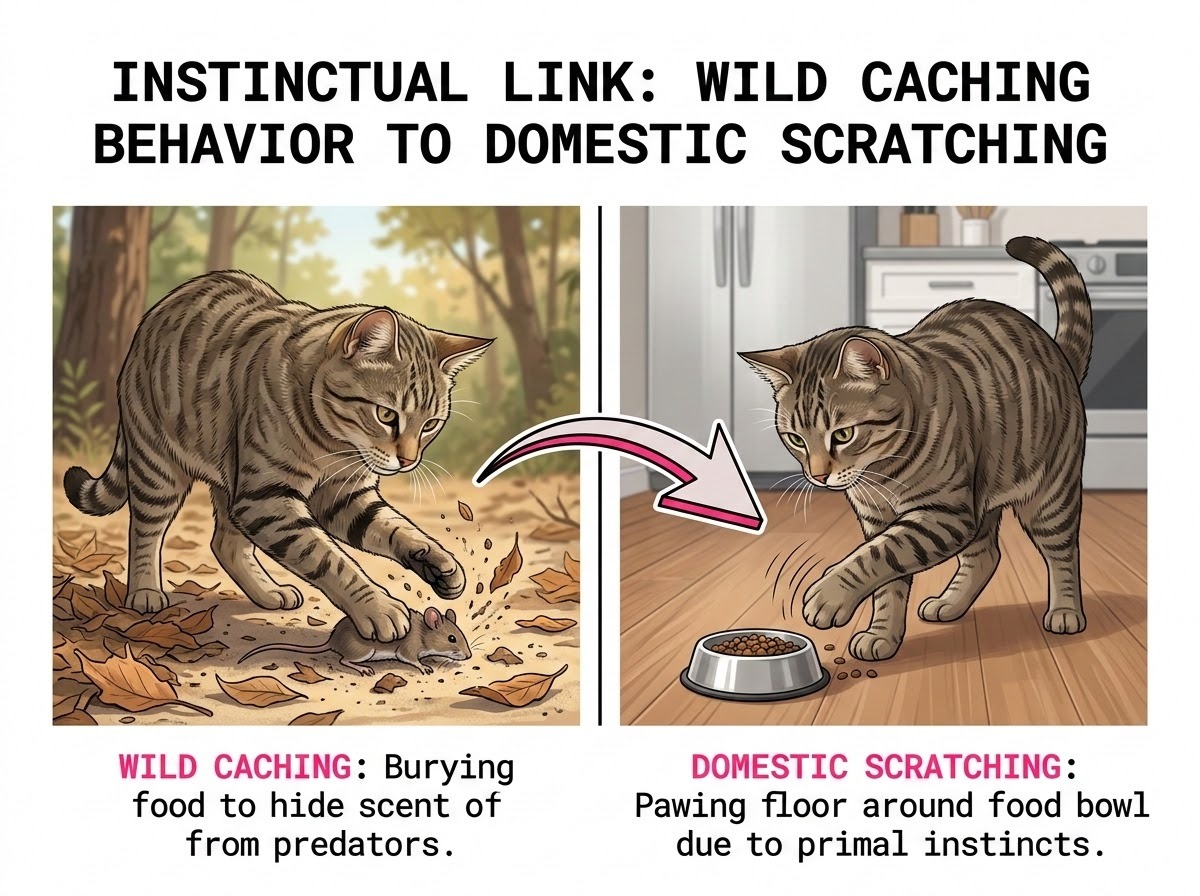
Long before cats lived in our homes, they survived out in the wild. Wild felines hunted for every bite they ate. They were always under threat by predators and other animals. This scratching habit started out as a survival tactic. Caching—hiding or covering food to keep it safe—is a natural cat behavior, according to experts.
When they finished eating, wild cats would scratch dirt, leaves, or sand over their food. This helped hide the smell. Strong food scents could easily draw dangerous hunters nearby. It also kept other cats from stealing their next meal.
Over centuries, cats became our beloved companions. But domestication never wiped away those strong survival instincts. Even your pampered indoor cat feels that same powerful urge. They do not have any actual dirt to use, so they scratch the floor instead.
Every scrape mimics burying their meal. It is not bad behavior. It is pure instinct kicking in.
You might notice this floor-scratching habit quite often. Several different triggers cause this funny action. We can look at the main reasons below.
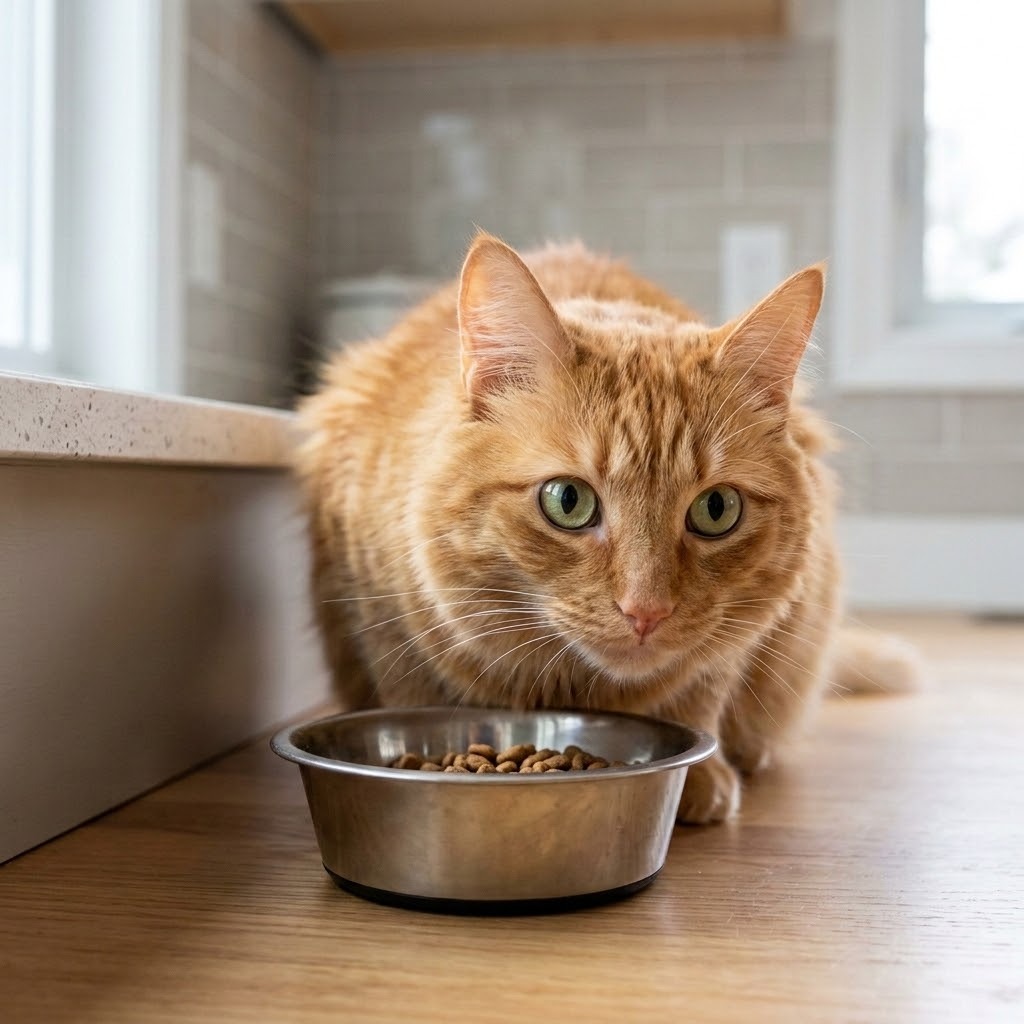
Your pet wants to stay safe at home. They try to bury any leftover meat scraps quickly. This hides the strong scent from other animals.
Outdoor felines must avoid attracting bigger hunters. Predators actively search for these exact meat smells. A lingering scent marks a very vulnerable target indeed.
Your indoor pet still has that strong protective urge. They scrape the kitchen floor to cover the scent. They want to protect territory and keep you safe.
The edges of the food bowl can be covered so that they feel completely secure. They’ll bury the plate in fake dirt. This instinct keeps them safe.
They are vulnerable while eating. Their wild cousins faced constant threats from larger animals, and your pet acts on the same ingrained fear.
It comforts them to hide their tracks. Let them finish. Interrupting them can cause stress or anxiety.
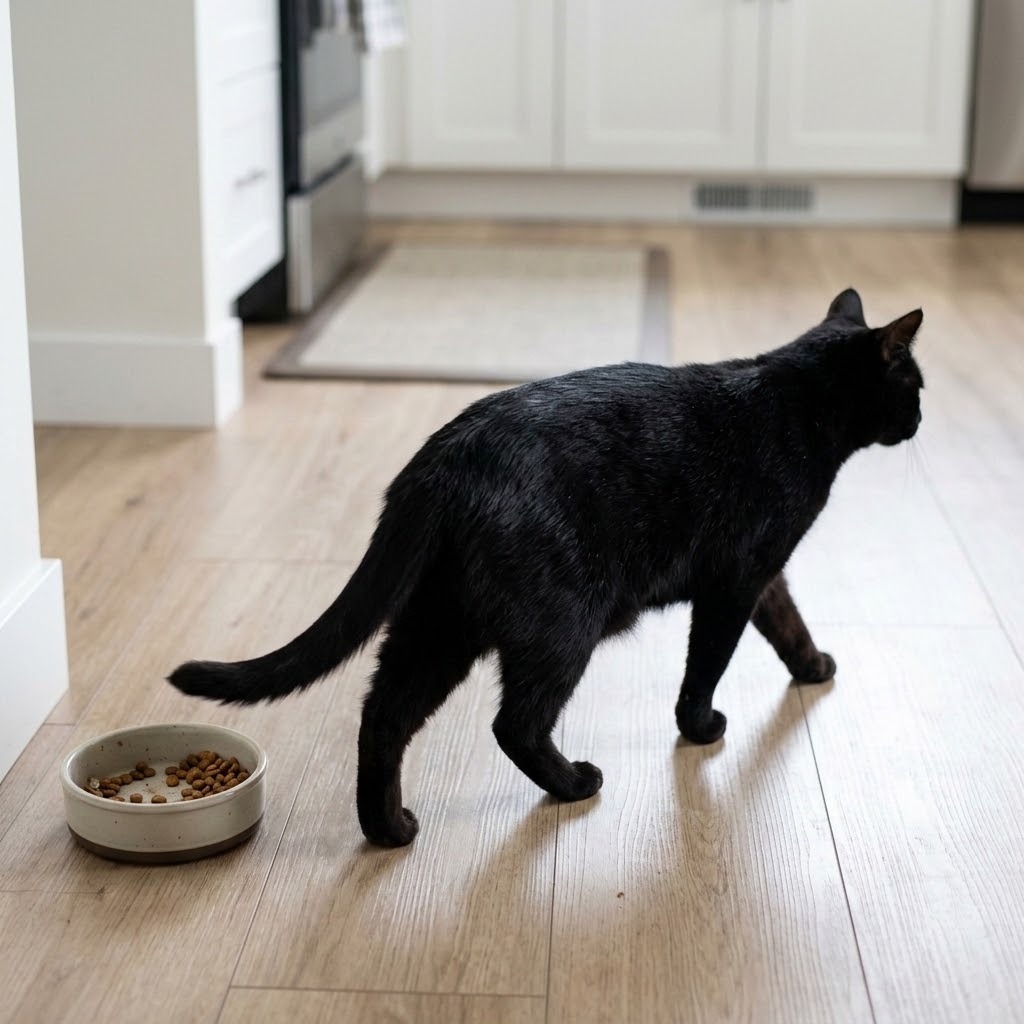
Sometimes your furry friend gets full quite quickly. They want to save the remaining scraps for later. Scraping the floor mimics tossing actual dirt over the meal.
This caching routine safely stashes scraps for later. When they are hungry again, they may dig them up. Cats have small stomachs, so they like small meals.
These grazing habits often trigger caching, so adjust meal portions and timing. You might want to evaluate your daily schedule.
Learning the best time to feed your cat helps immensely. A proper feeding schedule stops leftover scraps entirely. Serving smaller portions encourages them to eat everything quickly.
They won’t feel the need to save leftovers. You save money by not wasting spoiled meat. This simple change significantly reduces the habit of scraping.
In the wild, finding food takes a lot of effort. They can’t guarantee when they will eat their next meal. Saving leftovers ensures they won’t go hungry later.
You can help by establishing a very strict feeding routine. They will learn that food arrives at predictable times. This completely removes their deep fear of future starvation.
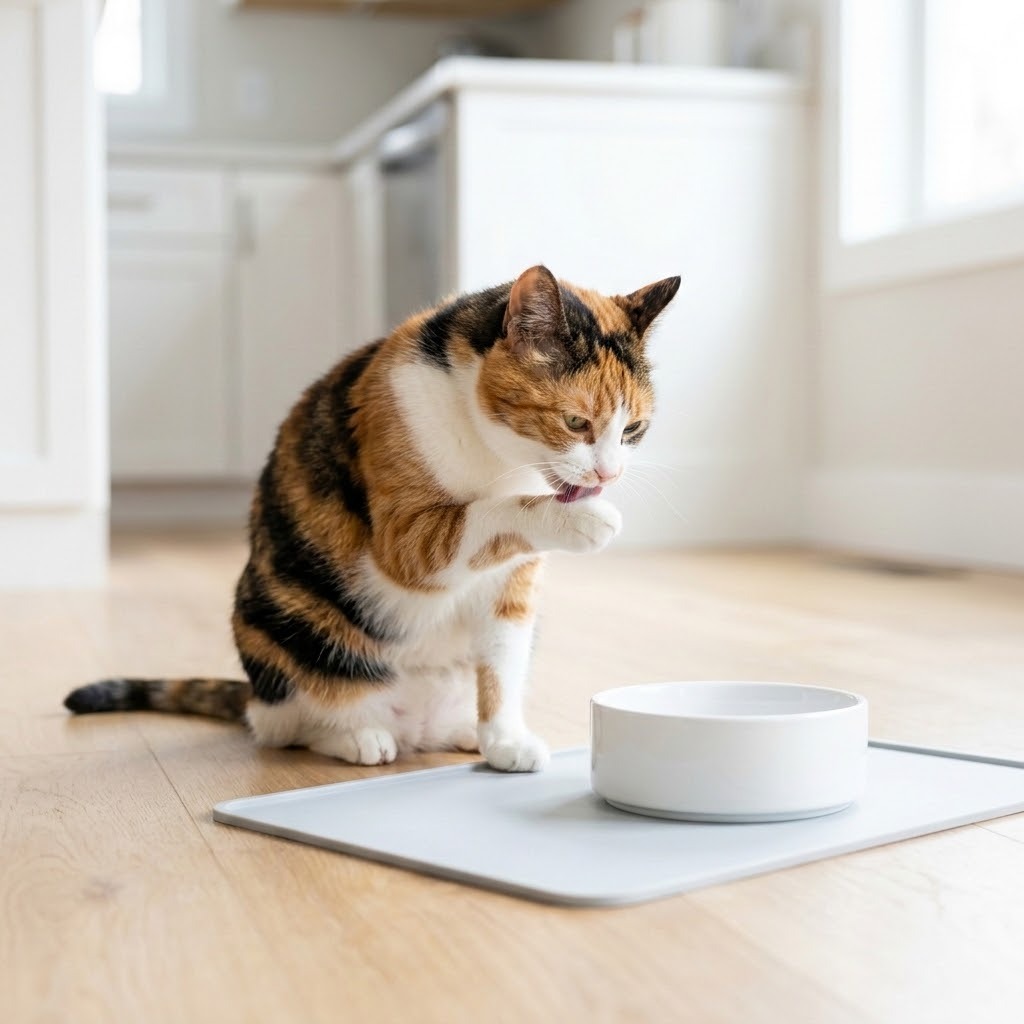
Felines love a perfectly tidy living space. They groom themselves often to stay perfectly clean. A messy eating area bothers them a whole lot.
They might try to sweep up the spilled mess. They scrape the scattered crumbs off the plate. Their sensitive paws can easily detect sticky dirt on the kitchen floor.
They like a clean eating area. Keeping the space tidy and comfortable for the cats will deter pests.
Providing the right food bowls helps reduce big messes. A wider dish prevents their whiskers from getting dirty. Clean whiskers mean a much happier feline companion.
Cats possess incredibly sensitive noses and paw pads. Sticky residue on the floor causes them immense physical discomfort. They groom to stay clean.
They don’t like a dirty eating area. You should sweep the kitchen floor after every single meal. Providing a clean space shows them you truly care.
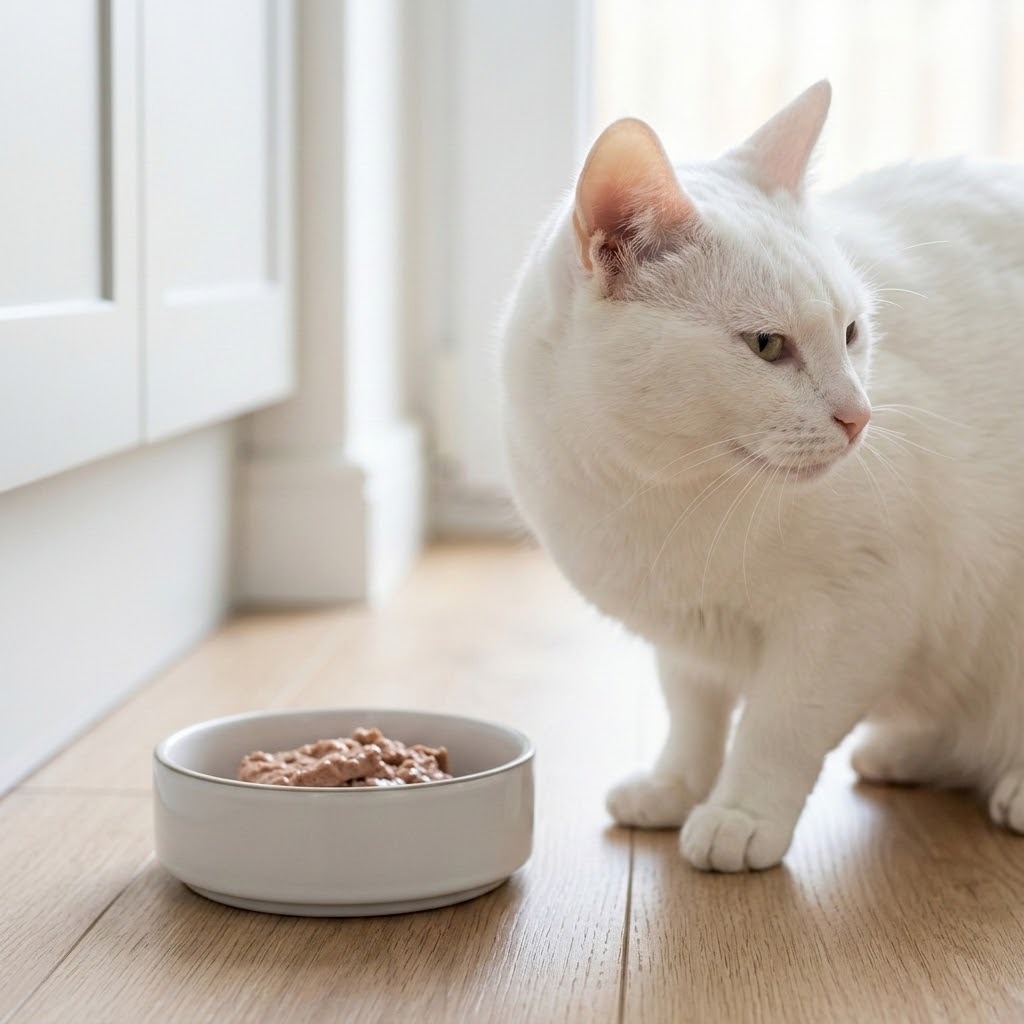
Your pet might hate the current menu completely. They might try to bury it in pure protest. This action signals they want something else entirely.
Spoiled meat smells awful to their highly sensitive noses. They’ll try to cover up the bad odor. If that happens, look to their health and nutrition needs.
Check the expiration dates on all packages. Kibble can get stale and lose its crunch and taste, so go with fresh food.
Food manufacturers sometimes change their ingredient formulas without warning. Your pet will notice this tiny change immediately. They rely entirely on their sense of smell before eating.
If the meal smells slightly off, they’ll reject it. You might need to slowly transition them to new brands. Mixing old and new kibble helps them adjust much more easily.
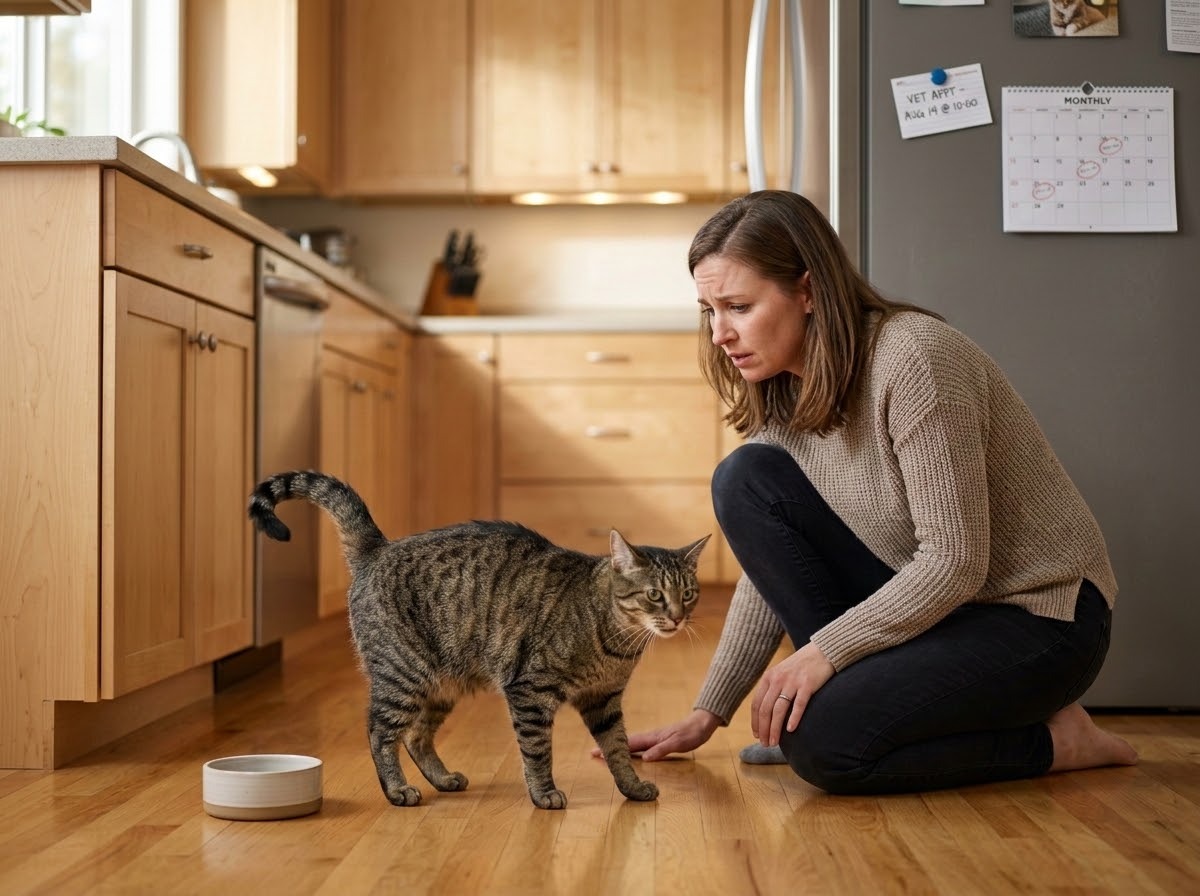
Sometimes this habit points to stress. Your pet might feel anxious during mealtime. Constant digging could mean dental pain. Your cat may want to eat but feel too uncomfortable to do so. Watch for constant grooming or pacing. Ask a vet when the pawing seems frantic.
Normal caching looks calm and brief. Your cat scratches a few times, then walks away. Anxious pacing looks like restlessness and repeated motions. If the behavior changes suddenly, see your vet, as pain, nausea, or stress may be causing the extra scratching. Your vet can rule out medical causes.
You can curb excess scratching with simple steps. Portion control, clean dishes, and proper setup are key. Redirect that energy with play and enrichment. Such simple changes make for an obvious plan of action.
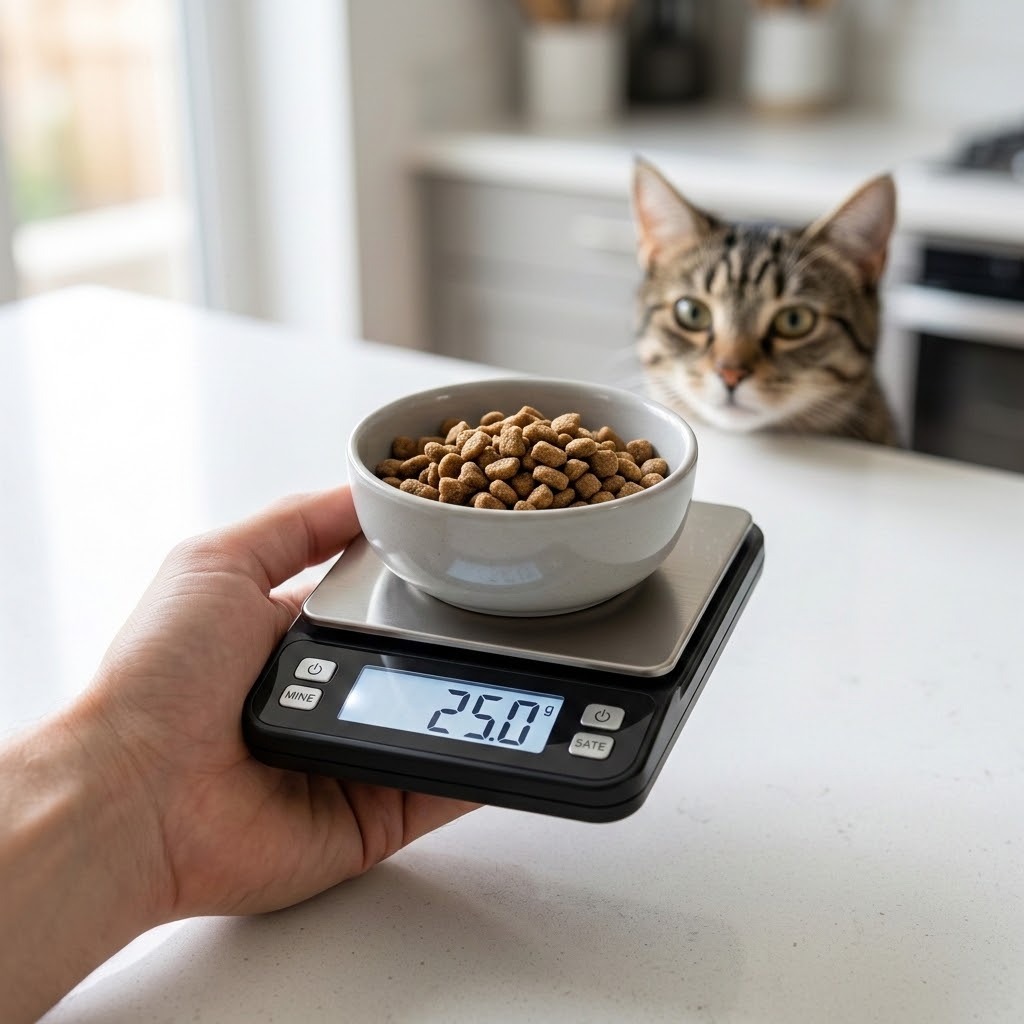
Don’t overfeed your pet. Give smaller meals throughout the day. This stops them from leaving scraps behind. Less leftover food means less reason to bury it.
Use a kitchen scale for accuracy. Check the feeding instructions on the food label and adjust each portion according to your cat’s weight. Split the daily total into three or four meals to match natural grazing habits and limit leftovers.
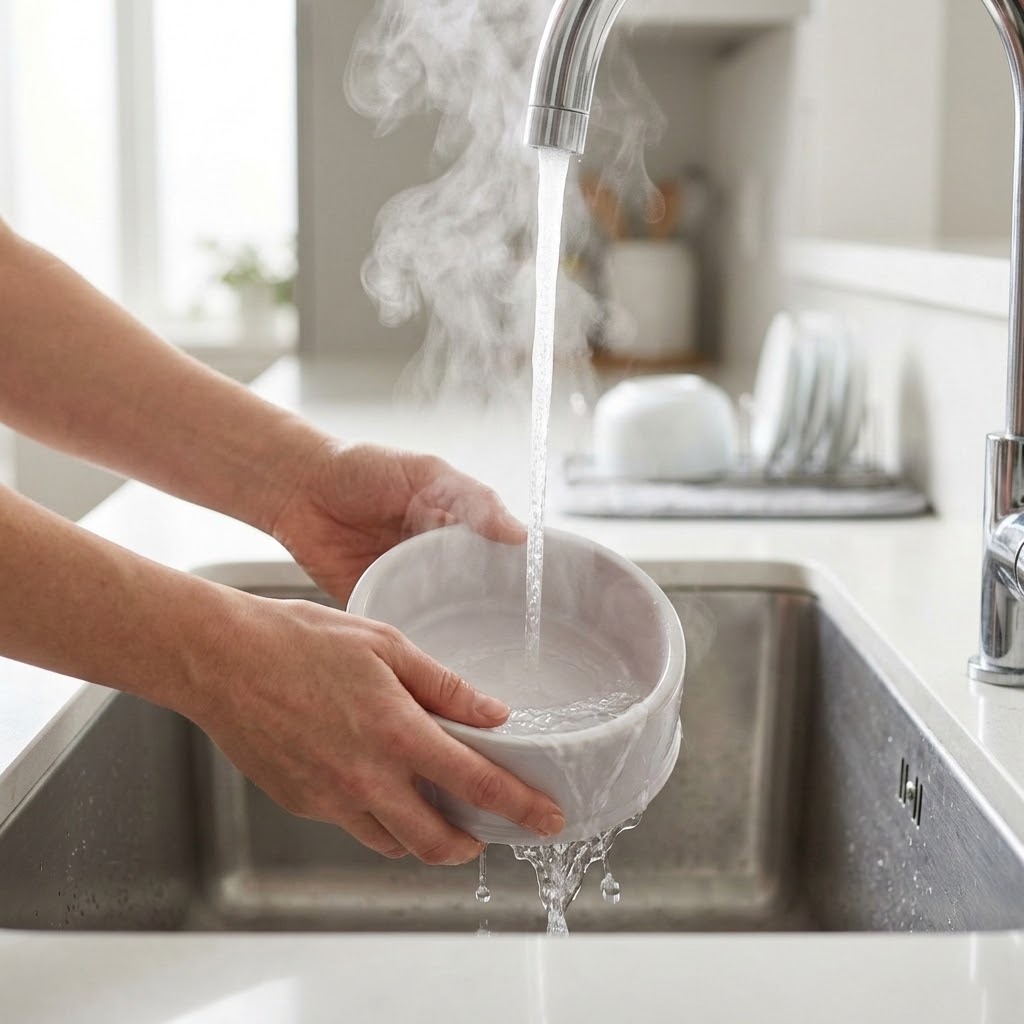
Take the plate away when your pet finishes eating. Wash it right away. Removing the smell removes the urge to scratch. This keeps the floor clean and protected.
Hot water cuts grease and food oils. Lingering grease triggers the digging habit. Rinse the bowl thoroughly after each meal. A clean dish signals that mealtime is over. Your cat learns to move on without pawing.
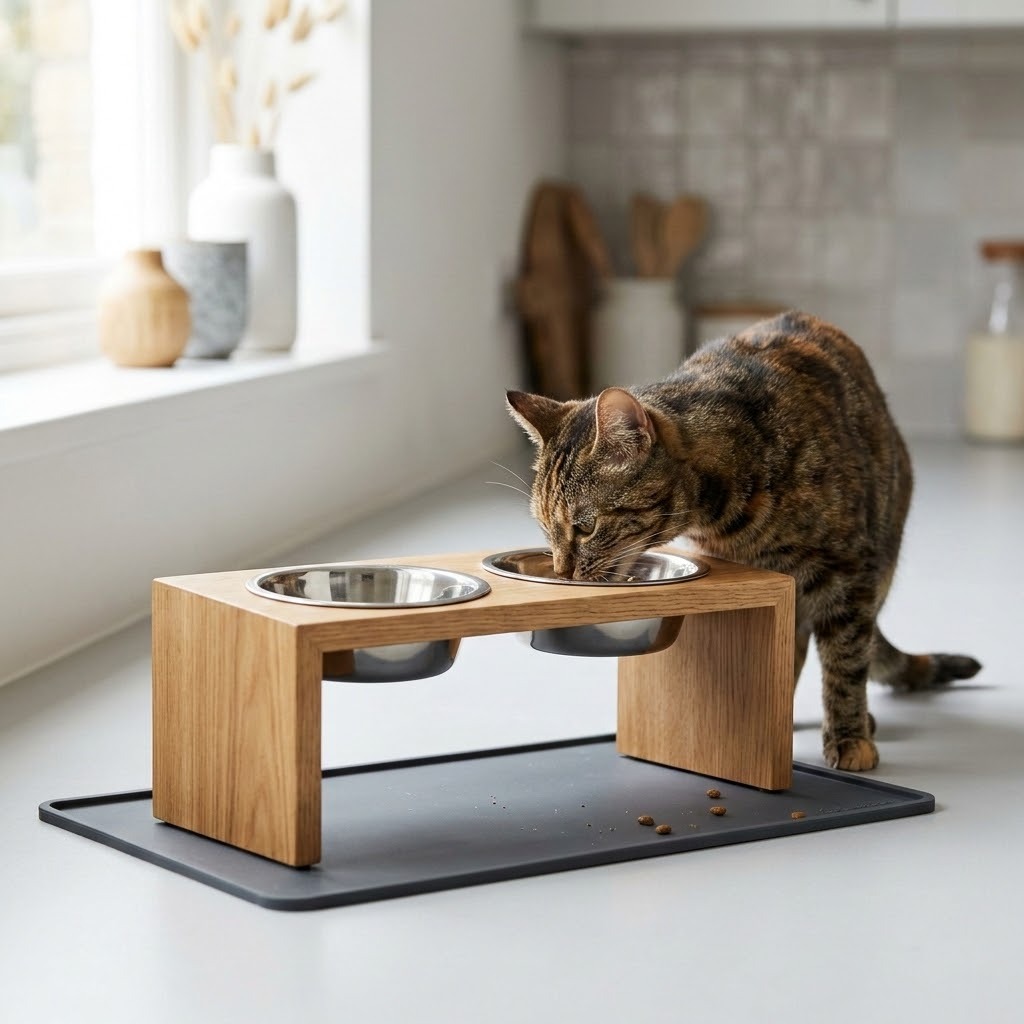
You might need to change your setup. Researching the best cat food bowls helps you find better options. The right dish prevents spills and smells. You might also wonder whether elevated cat bowls are good or bad. Raised dishes can sometimes keep the surrounding area much cleaner.
Stainless steel or ceramic bowls suit messy eaters. They are more resistant to scratches and odors than plastic. Wide, shallow designs reduce whisker stress. Elevated stands keep kibble contained. A rubber mat under the dish protects your floor.
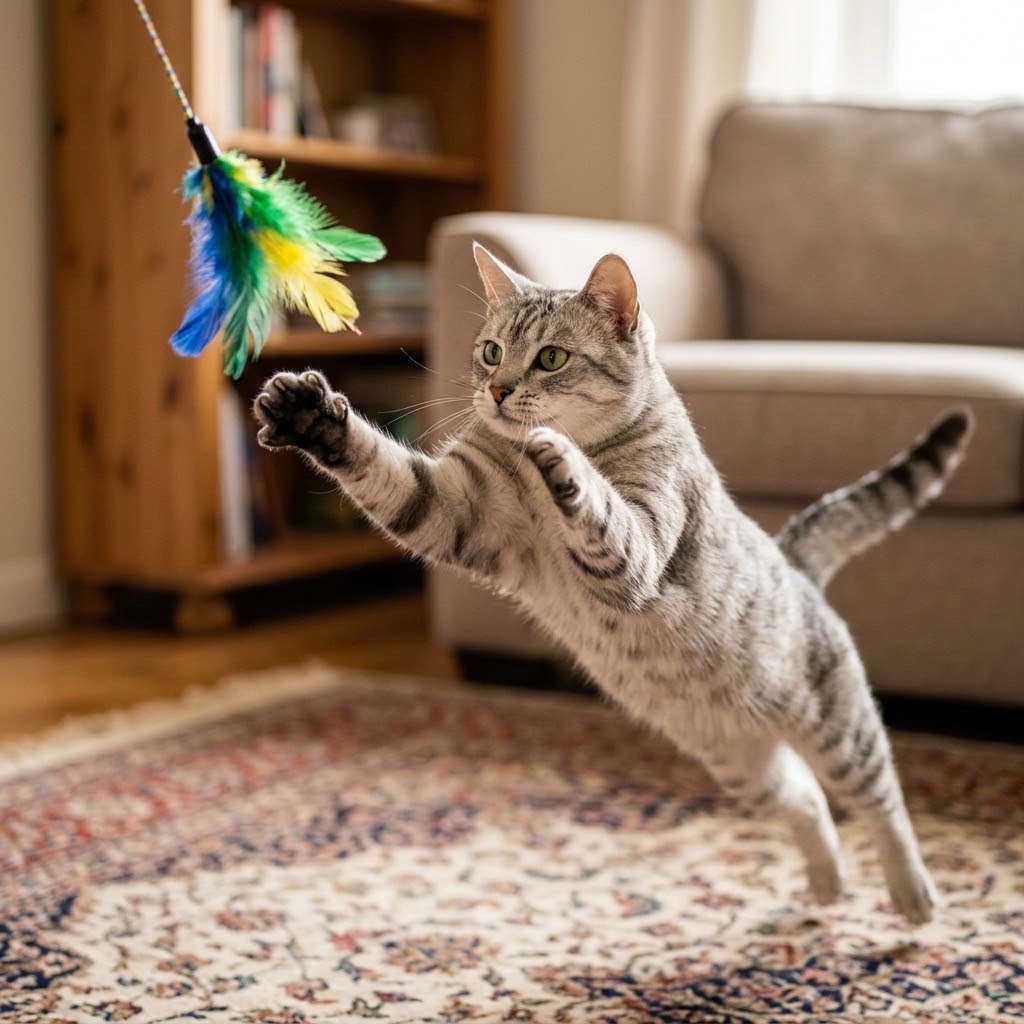
Your pet might scratch out of boredom. Provide your cat with stimulating toys and activities to keep them busy and off the kitchen floor.
Schedule interactive play each day. Use wand toys that resemble hunting games. They fulfill wild instincts safely through chasing, pouncing, and batting. Puzzle feeders also channel mental energy. A tired cat focuses less on scratching the floor.
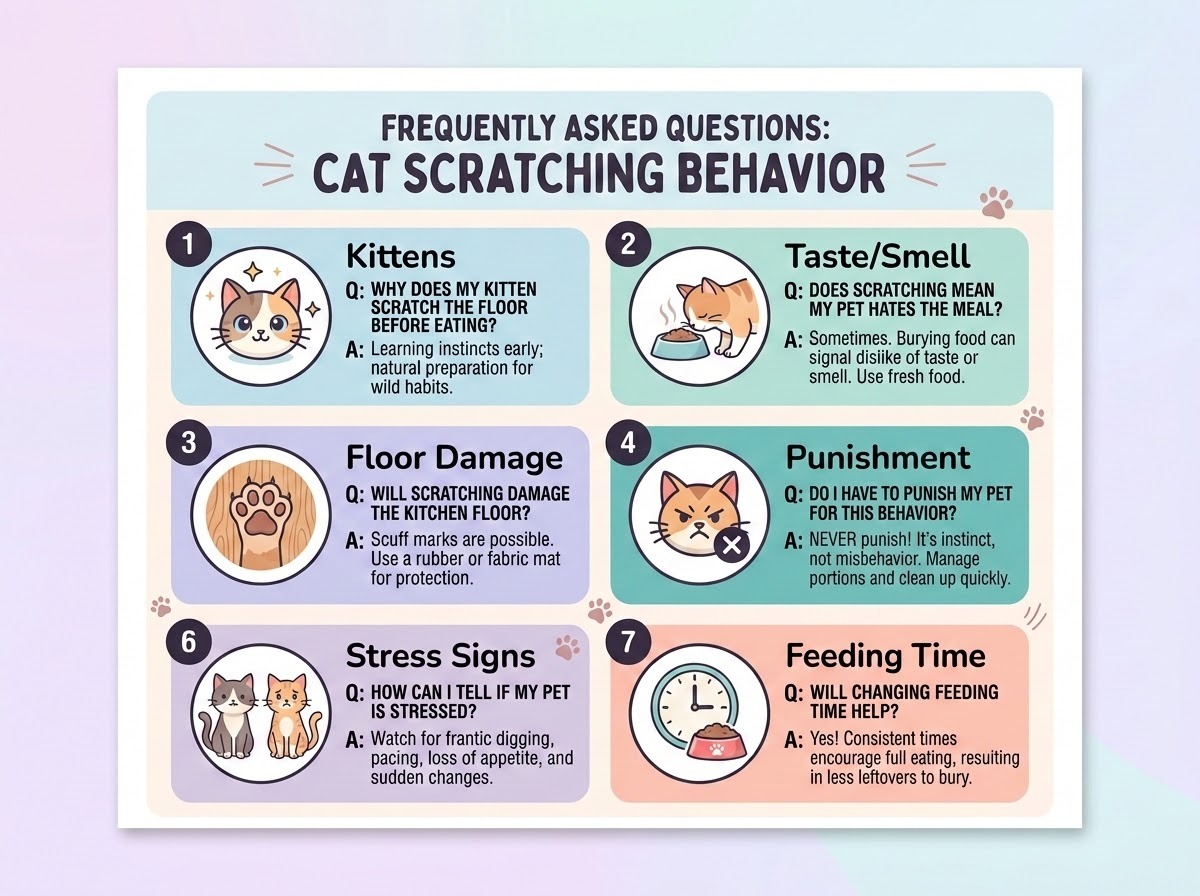
Curiosity is normal, and doubts pop up often. Below are clear, direct responses to the questions you are most likely to ask.
Q: Why does my kitten scratch the floor before eating?
A: Kittens learn instincts at a young age. This kitten pawing the floor behavior is just natural preparation. They are learning wild habits that help them survive later in life.
Q: Does scratching mean my pet hates the meal?
A: Sometimes, yes. They probably don’t like the taste or smell, and so they bury it quickly. Fresh Food, New Flavors.
Q: Will scratching damage the floor in my kitchen?
A: It might be. Scuff marks may be left by sharp claws. Place a rubber or fabric mat under the feeding area to protect surfaces.
Q: Do I have to punish my pet for this?
A: Never punish them. It is not misbehavior but an instinctive behavior. Instead, use portion control and quick cleanups to keep scratching to a minimum.
Q: Do all cats bury their food?
A: Some cats do, and some cats don’t. Some have feebler instincts. Others might show it only occasionally. depends on personality and upbringing
Q: How can I tell if my pet is stressed?
A: Watch for frantic digging, pacing, and loss of appetite. Sudden habit changes are usually a sign of trouble. Ask your vet for advice.
Q: Will changing the time of feeding help?
A: Yes. Consistent times help them eat fully and quickly. Less leftover food means less reason to cover or scrape around the bowl.
Your pet brings a piece of the wild indoors. Their quirky habits remind you of their ancestors. These behaviors provide a clear window into their behavior.
If you understand their instincts, you can build a better bond. Protect your floors, but honor their nature. Let them express their wild side naturally and safely.
It’s fascinating watching these routines. You get to witness raw nature right in your kitchen. We often forget our pets have deep survival roots.
These quirks make pet ownership a rewarding experience when you go with them. Appreciate your furry friend. You’ll learn a little more of their secret language.