
Ever noticed how every cat feels a little different when you give them a scratch? Some are silky-smooth; others are fluffy or even almost hairless. Kitties with various types of cat coats are more than just about looks. Their texture, color, and pattern reveal your pet’s unique history and health.
Understanding the different cat color coats, fur types, and patterns can help you connect with your cat and care for them even better. Let’s explore what makes each cat’s fur so special.
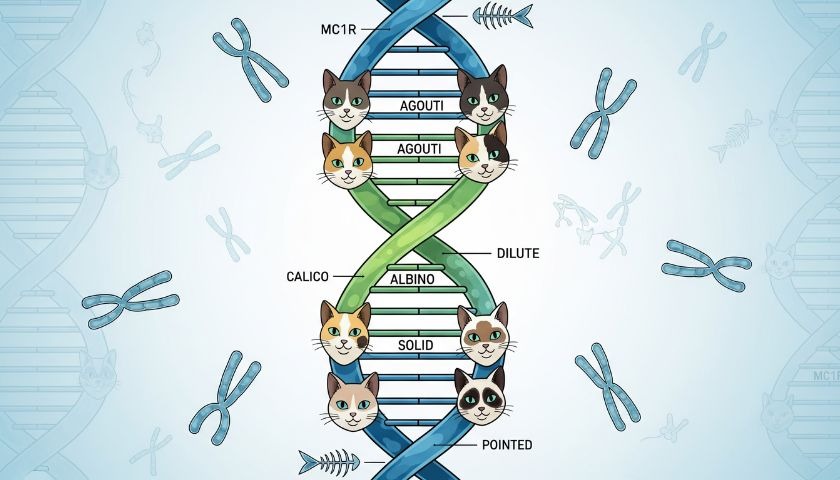
So, why do cats all look so different? It’s all in their genes. Every type of cat coat color starts with just black and red (orange), and genes mix these shades, turning black to gray or red to cream.
Other genes decide patterns and fur length. Some are more likely to show up, while others need just the right mix from mom and dad. That’s why a short-haired cat can surprise you with a fluffy kitten!
In short, a cat’s fur type and pattern are the result of their unique genetic recipe.
When you first meet a cat, the feel of its fur stands out right away. A cat’s coat can be short and sleek, long and fluffy, or something in between. These features don’t just affect how your cat looks. They also have a big impact on how much cleaning you’ll have to do around the house.
Most cats have up to three fur layers: a warm undercoat, an insulating middle layer, and protective guard hairs. Not all cats have every layer, though. Some only have one or two. This makes all types of cat coats feel especially soft, silky, or plush.
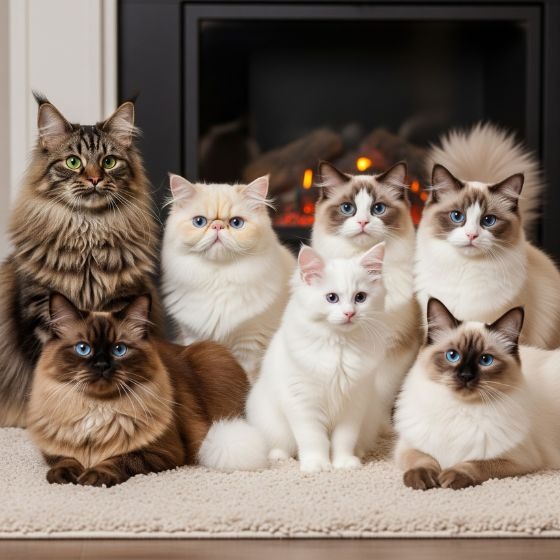
Love cats that look like soft, fluffy clouds? Long-haired breeds like Persians can have coats up to five inches long, making them look larger than they are. Under all that fluff is a surprisingly small cat! Their thick fur is beautiful but needs daily brushing to prevent painful tangles and mats.
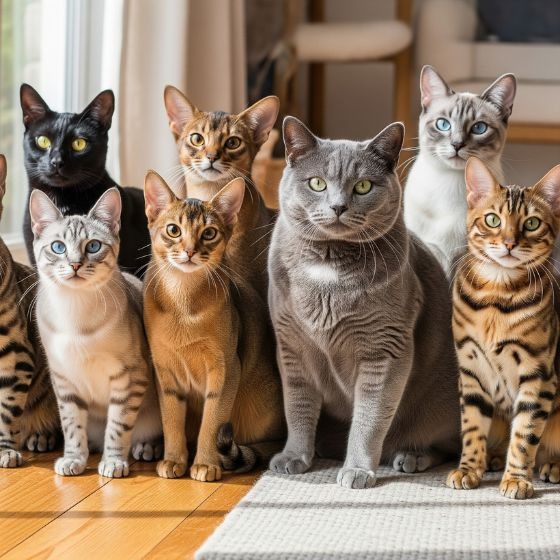
Short-haired cats are the most common because the gene for short coats is strong. Their fur is sleek, shiny, and lies close to the skin, making them easy to care for. They still shed, but usually keep themselves clean with little help.
Each breed feels a bit different. For example, British Shorthairs are plush, while Siamese are silky soft.
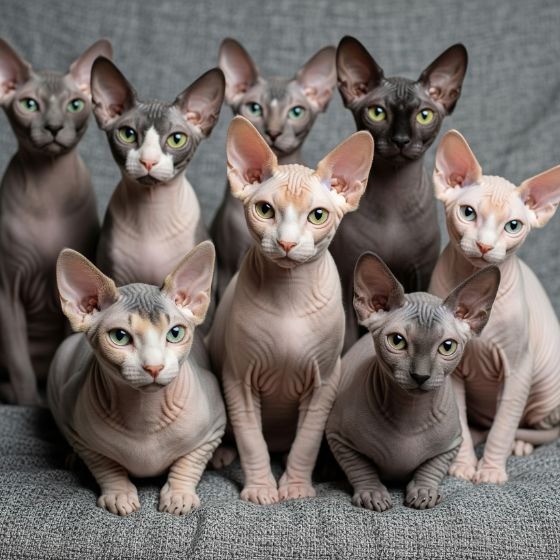
Yes, “hairless” really is a cat coat type! Sphynxes aren’t truly bald—they usually have a soft peach fuzz that helps keep them warm. Without fur, their skin gets cold or oily, so they need sweaters and regular baths.
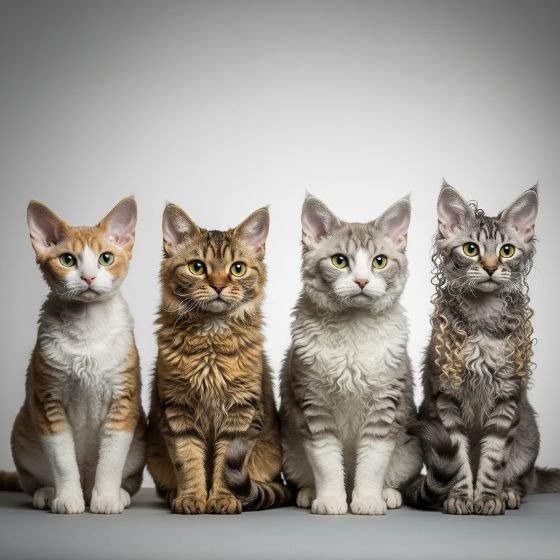
Some cats have naturally wavy or curly coats, thanks to rare genes. Breeds like the Cornish Rex, Devon Rex, and Selkirk Rex have soft, springy, and uniquely textured fur. Their curls are more delicate than other types of cat coats, so it’s best to handle these cats gently.
Now for the fun part—cat colors! Cat coat colors all start with just a few basic building blocks. White cats are unique because their fur masks the true color underneath.
To make things easier, we group cat coat colors by their shades and differences. Sometimes the changes are dramatic, and other times they’re just a hint lighter or darker. Once you know the terms, describing your cat’s color and understanding different types of cat coats becomes much simpler.
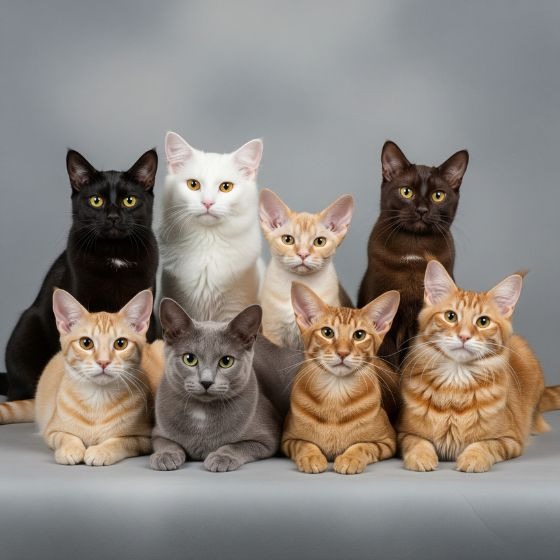
A cat with a solid coat is just one color, tip to tail—no markings or spots. Here are the basics:
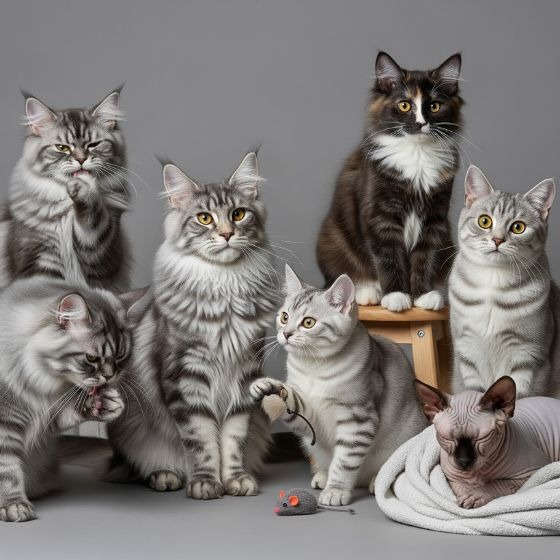
Some cats seem solid-colored, but if you part their fur, the tips are colored while the base is white. This gives their coats a shimmery, almost magical look as they move. Shaded cats have even less color on the tips, creating a frosty effect.
Colors alone make cats beautiful, but different types of cat coat patterns add even more personality. In the wild, these patterns help cats blend in. At home, they just make our pets even more charming!
From stripes to swirls, spots to patches, each pattern is unique. Let’s take a look at the most common patterns you might see in your own neighborhood or at the vet.
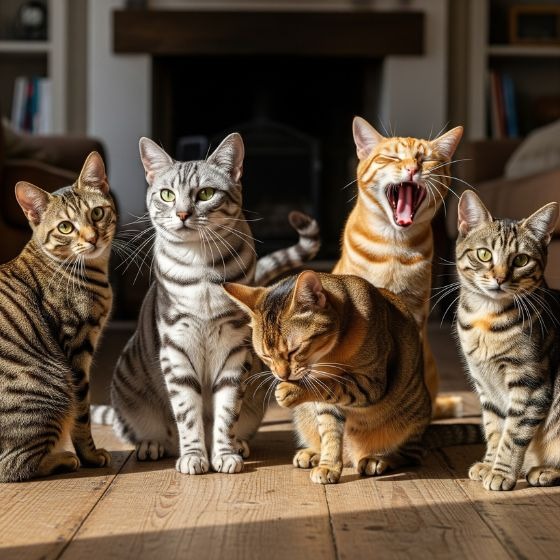
Many people think “tabby” is a breed, but it’s actually one of the oldest and most recognizable fur patterns. You’ll know a tabby by the cool “M” shape on its forehead.
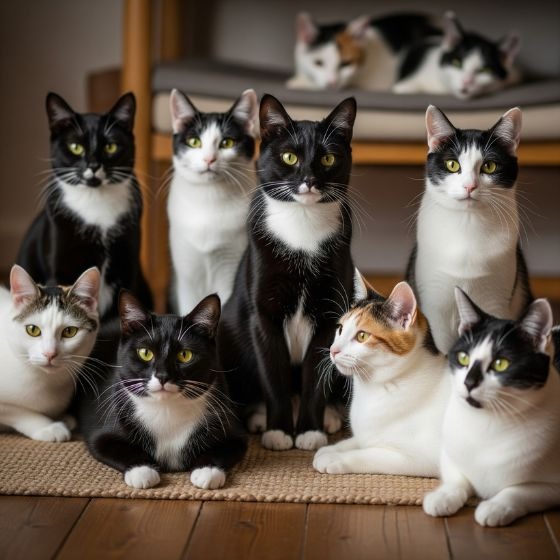
When cats have white fur mixed with other colors, we call them bicolor (two colors) or tricolor (three). Some familiar terms include:
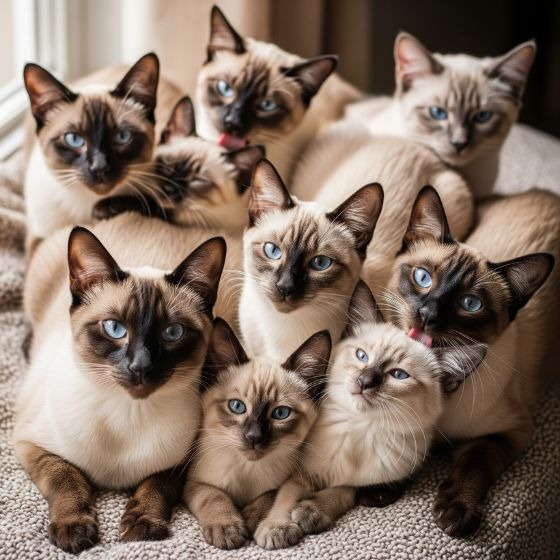
You’ll spot the colorpoint pattern on Siamese cats—a pale body with darker ears, face, paws, and tail. A special gene creates dark points on the cooler parts of their body, and the pattern can change with temperature.
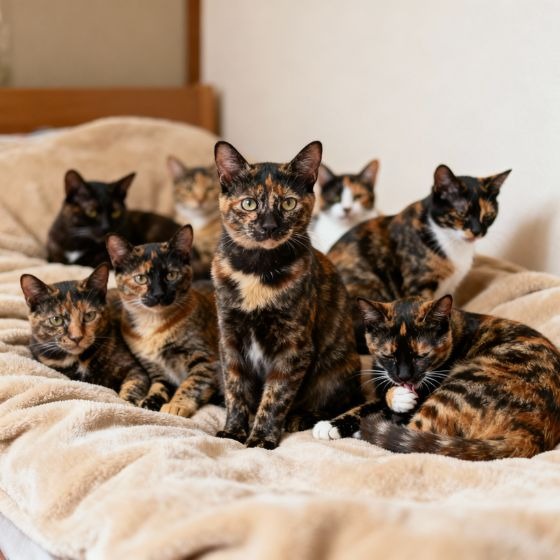
People often mix up tortoiseshell (“tortie”) and calico cats, but it’s easy to tell them apart. Torties have mostly black and orange fur, often swirled together with little or no white. Calicos stand out with big, clear patches of black, orange, and white.
Here’s a fun fact—almost all tortie and calico cats are female. That’s because their coat patterns are linked to the X chromosome. Thus, you’ll rarely see tortie or calico male cats.
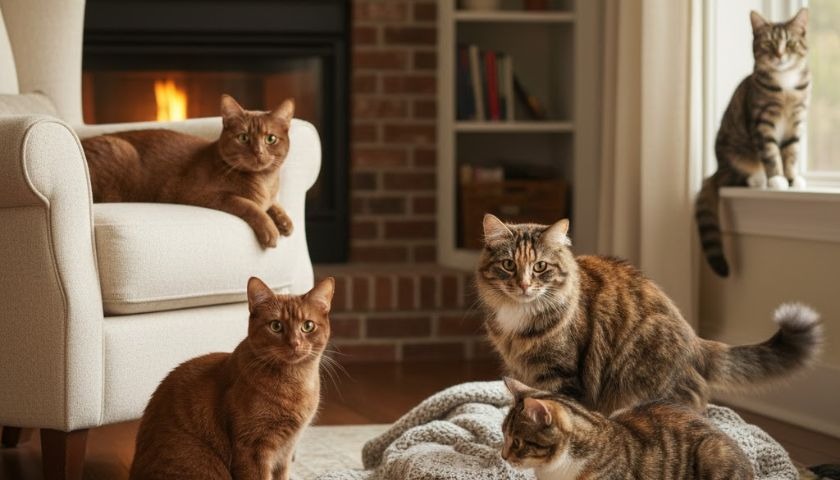
Some cats have coats you’ll only see once in a blue moon—these come from either careful breeding or rare genetics. Breeders use a cat color chart to help predict these surprises, but even then, you never know what you’ll get!
Cat coats come in countless styles and colors. It only proves that Nature has a sense of style that suits everyone.
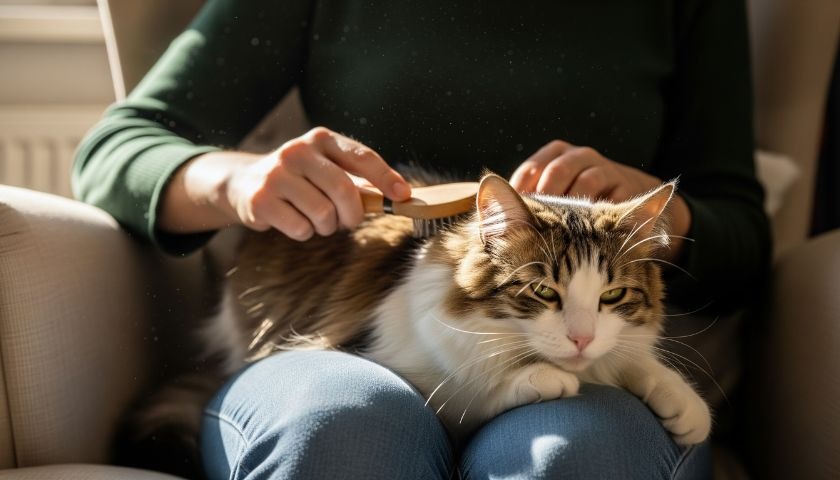
While a cat’s fur is pretty to look at, it’s a true sign of their health. If your cat’s coat is shiny and smooth, they’re likely doing well. If it’s dull or patchy, something might be wrong. Cats need protein and healthy fats for strong fur, and stress or illness can quickly show in their coat.
Checking your cat’s fur is easy: look and feel for any changes each week. Gentle brushing keeps their coat healthy, spreads natural oils, and strengthens your bond. And of course, watch for anything unusual, like bugs or dry skin—plus, a little extra love always helps!
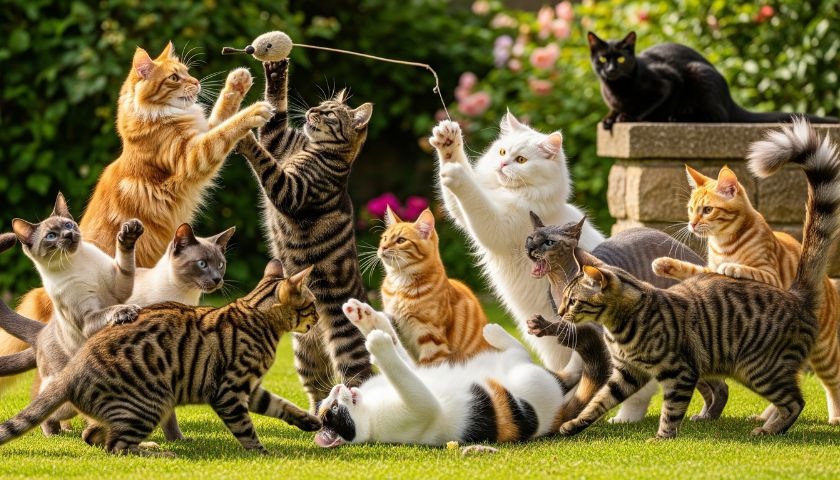
With so many types of cat coats and personalities, there’s a perfect cat for everyone. When you take a closer look at their fur, you notice the stripes, spots, or sparkling tips that make your cat unique. These little details reveal your cat’s story and remind us of the love behind every purr.
So next time you pet your cat, remember there’s more to that soft coat than meets the eye. It’s a wonderful mix of history, genetics, and a whole lot of heart.