
You might see that your cat is acting differently. They may have wider-spaced eyes, move awkwardly, or act more slowly than other cats. It’s normal to be worried. You care about your pet and want to know what’s going on.
Many people wonder if their cat has Down Syndrome, especially after seeing unusual-looking cats online. But cats can’t really have Down syndrome. That condition occurs only in humans due to the way our chromosomes are structured. Cats have different genes, so they can’t get the same disease.
Your concern is valid. These traits can point to real health conditions that need care. Instead of worrying about labels, learn more about what your cat needs and how you can help them.
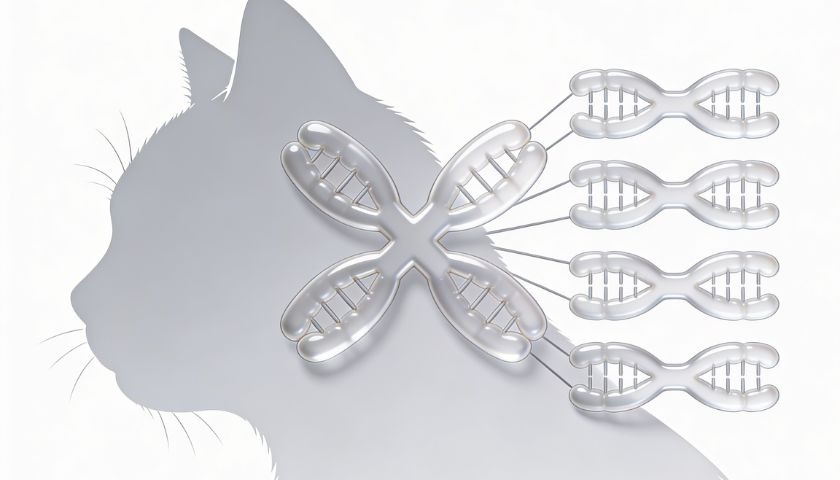
It helps to know a little bit about genetics before you jump to conclusions. Chromosomes are tiny building blocks that make up your body. Humans have 23 pairs, and one pair is linked to Down Syndrome.
On the other hand, cats have 19 sets of chromosomes. You might not think that difference is important, but it is. These numbers may seem strange, but they help each species grow, heal, and deal with sickness.
Trisomy 21, or an extra copy of chromosome 21, is what causes Down syndrome in humans. Cats cannot develop this condition because they lack chromosome 21. So, the answer is no, cats cannot have Down Syndrome.
However, some cats exhibit characteristics similar to Down Syndrome, which can be confusing. Instead of a genetic match, you typically see another condition that affects how your cat looks or moves.
If your cat seems like one, it might be hard to believe that there isn’t a cat with Down Syndrome. But the biology is very clear here.
Down Syndrome is tied to a specific human chromosome. Without that chromosome, the condition cannot form. Cats simply do not have the same genetic setup.
This does not mean your cat is “normal” or “not normal.” It just means the cause is different. What you are seeing is a different story written in your cat’s body, with its own challenges and its own strengths.
And honestly, the label does not change what matters most. Your cat still feels comfort, fear, hunger, and love. They still bond with you and depend on you.
So instead of chasing the wrong diagnosis, it is better to look at the real cause. That is where proper care begins.
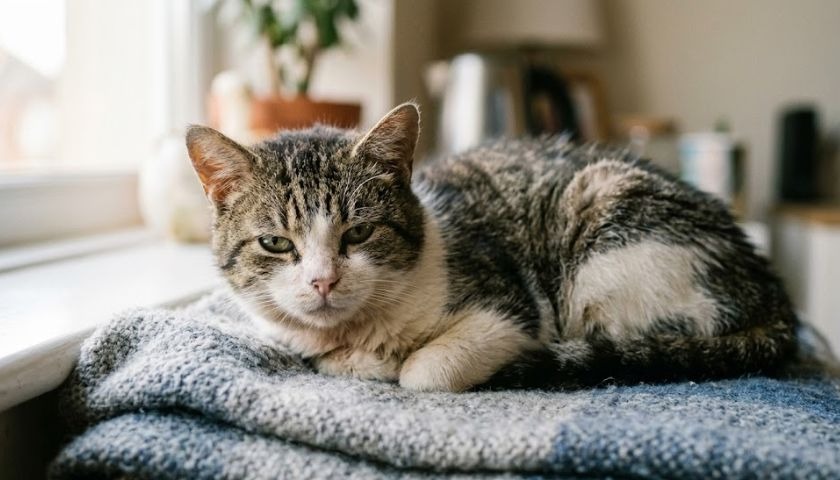
You might be wondering why your pet looks like a cat with Down Syndrome. Several health issues cause wide-set eyes, flattened noses, or clumsy movements.
Viral videos often show felines with these features. People watch them and make assumptions. These rapid guesses lead to widespread misunderstandings.
Let us look at the medical reasons behind these features. The list below covers common health problems pets may face.
When people search for cats with Down Syndrome on Google, veterinarians frequently identify specific conditions. These real medical issues create the physical and behavioral traits you see every day.
Caring for Down Syndrome cats or cats with similar needs means building a simple, steady routine.
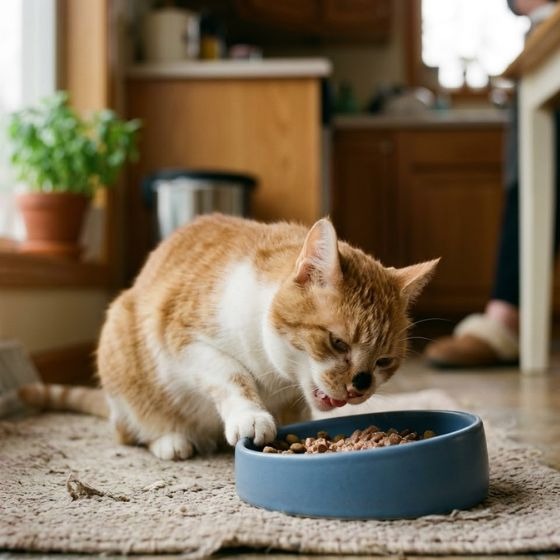
Start with food. Some cats have trouble eating from deep bowls, so try:
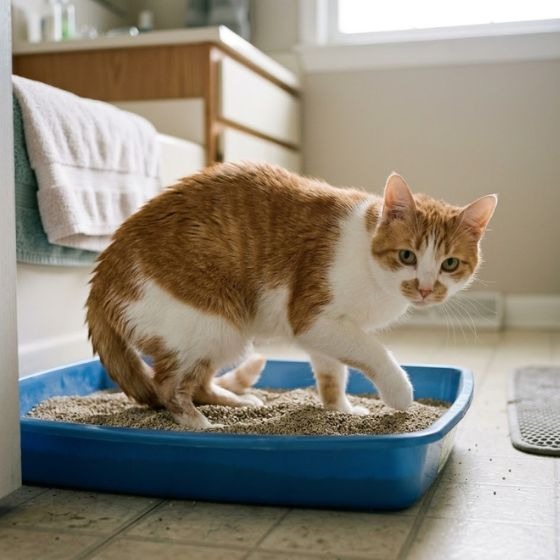
To keep your cat healthy, make sure their areas are clean and easy for them to get to:
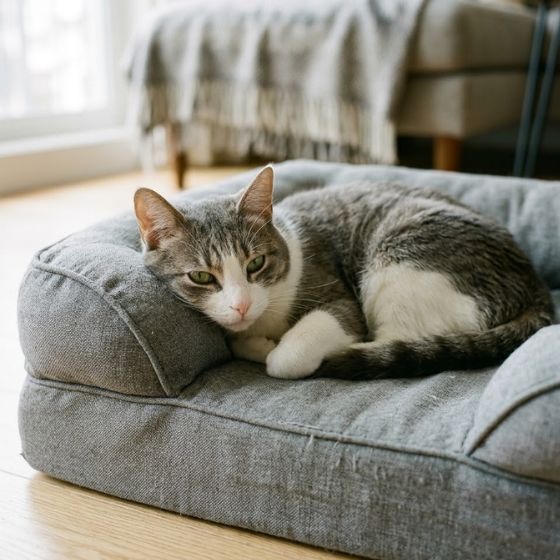
Comfort is important too. Cats that have trouble moving need extra help:
Try to stick to a regular schedule. Every day, feed, clean, and play with them at about the same times. A schedule that your cat can count on makes them feel safe and less stressed. When your days follow a consistent pattern, your cat learns to relax and settles into the rhythm.
Small changes can make a big difference. When your cat feels secure, they are more likely to relax and show their personality.
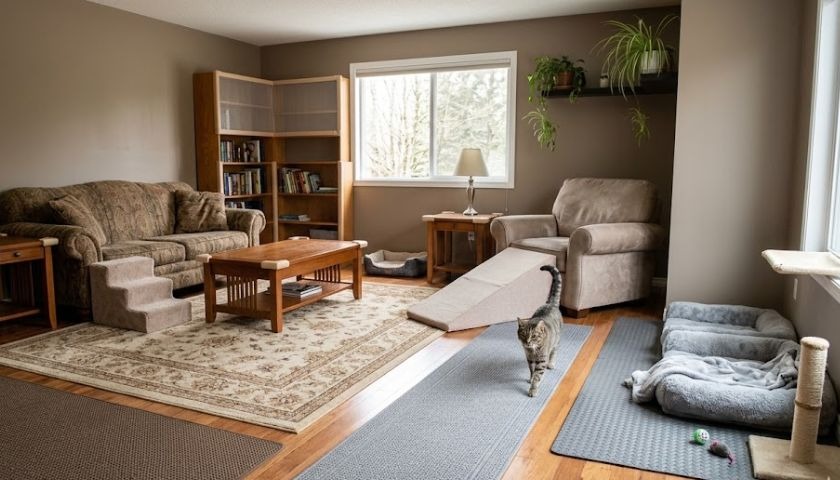
If you once thought you had a cat with Down Syndrome, you likely already watch your pet’s environment closely. That is a good instinct. Now it is about refining that space. Small, thoughtful adjustments turn an ordinary room into a place where your cat can move, rest, and explore with confidence.
Start by removing risks.
When obvious dangers are gone, you can enjoy your time together without worrying.
Next, think about how you can make it easier for your cat to move around.
These changes send a clear message to your cat: this home is built with you in mind.
Then, focus on comfort.
Consistency in their surroundings works like a soft promise that nothing will change beneath their paws without warning.
Cats with coordination or vision issues rely on memory. Once they learn a space, changing it can confuse them.
Think of your home as your cat’s map. The clearer and safer it is, the more confident your pet will be.
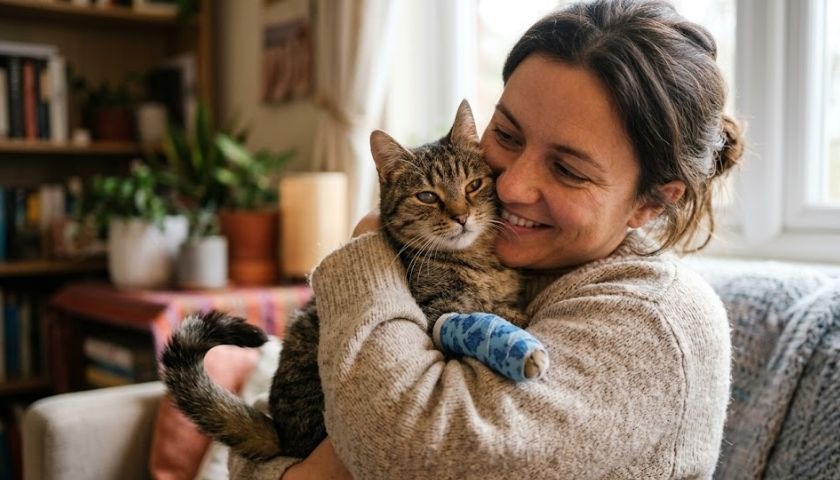
Challenge yourself to rethink perfection. A wobbly walk or a unique face makes your companion special. The bond you have with your cat is much more important than any medical label.
You make the place safe and loving. Your dedication means everything to your furry friend. When you notice unusual traits, consult a trusted veterinarian.
A professional will build a care plan that fits your situation. Celebrate the joy your pet brings into your home.
Your love and care give them a wonderful life. Every day you spend together shows that love doesn’t need perfect genes. The kindness, patience, and presence that shape your cat’s world matter more than the diagnosis.