
Have you ever wondered, “Why do cats have rough tongues?” That scratchy, sandpaper-like tongue is a special cat trait, shaped by evolution and essential for survival.
A cat’s rough tongue acts as a built-in comb, spoon, and eating tool. While it can seem strange to us, cats couldn’t live without it. Learning about a cat’s tongue shows why it’s so important and highlights what makes cats different from dogs. Let’s explore the surprising science behind this special feature of cats.
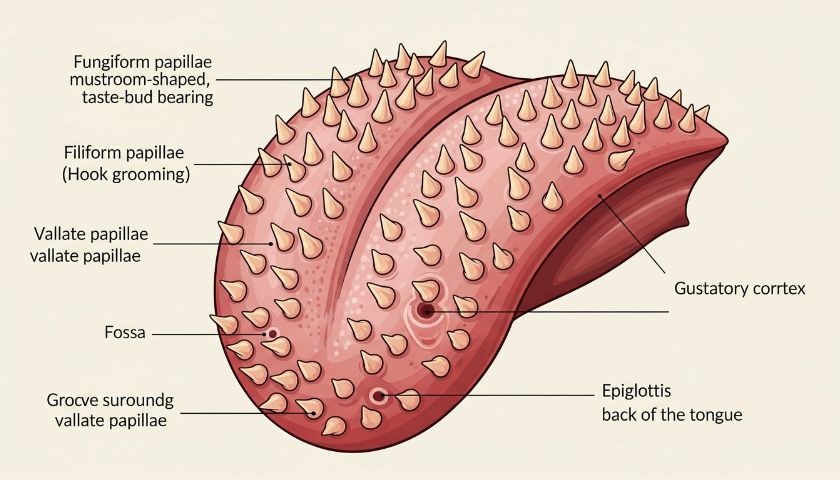
To see what a cat’s tongue can do, it helps to first look at how it’s built. If you saw one under a microscope, you’d notice it doesn’t look flat or smooth like a human tongue. Instead, it’s covered with tiny hooks that stick out like a little forest. These little hooks create the rough, scratchy feeling you notice when your cat licks you.
A cat’s tongue is rough because of tiny, backward-facing spines called filiform papillae. These spines are rugged, mechanical tools made from keratin, the same material as your nails and hair.
Because of them, a cat’s tongue feels dry and scratchy, unlike a smooth human tongue. This special texture helps cats with grooming and eating, answering the question, “Why do cats have a rough tongue?”
These spines aren’t straight—they’re shaped like little hooks that curve toward the cat’s throat. This clever hook design helps cats grip loose hair or meat.
Thus, it answers the question, “Why do cats have rough tongues?” If the spines were straight instead of hooked, the tongue would just slip off anything it tried to catch.
Cats have rough tongues because they help them groom, eat, and stay healthy—so evolution kept this useful trait.
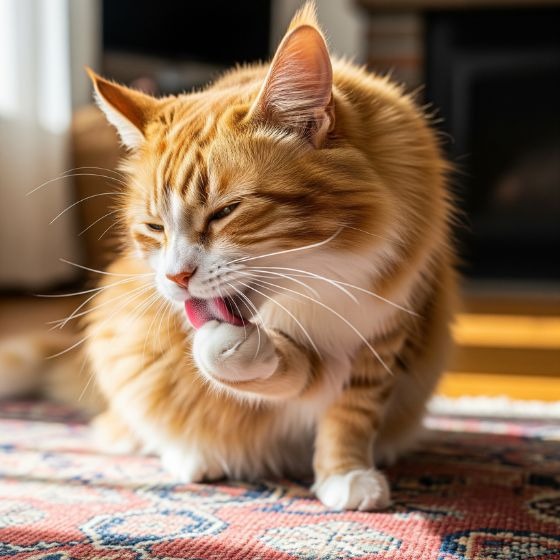
Cats are obsessed with staying clean and spend a lot of their time grooming themselves. Their rough tongues, with backward-facing hooks, work like a top-notch brush, removing tangles, dirt, and loose fur.
These hooks also hold saliva, which helps spread natural cleaners deep into their coat. Nature’s design means their tongue is better for grooming than most store-bought brushes.
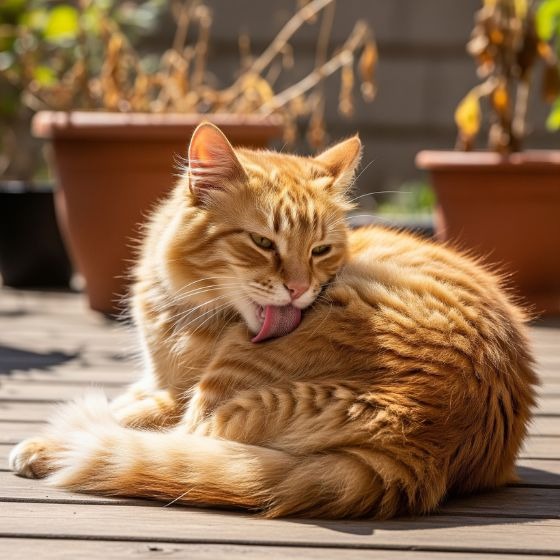
This is another answer to the question, “Why do cats have a rough tongue?” Cats produce sweat through their paws, lips, and chins, which isn’t enough to cool their bodies. When they groom themselves, their rough tongues spread saliva onto their fur. As this saliva evaporates, it cools them down, just like sweat cooling our skin.
The tongue’s hooks deliver saliva to the skin, where it works best. Without these papillae, saliva would stay on the fur and wouldn’t keep cats cool, especially during the summer.
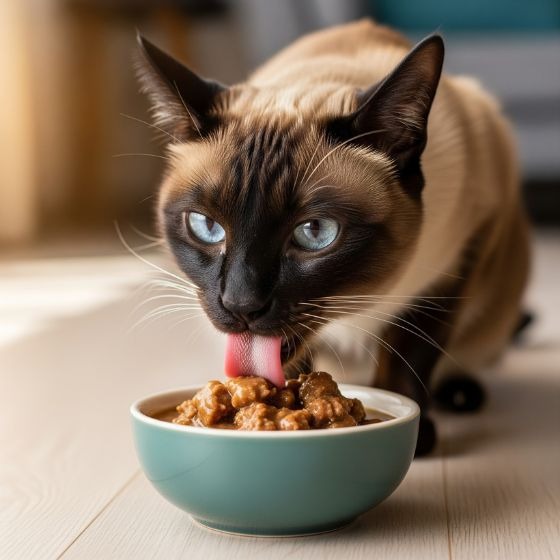
Eating is another answer to the question, “Why do cats have rough tongues?” Just like big cats, your house cat’s scratchy tongue acts like a rasp to pull meat from bones.
And with fewer teeth than dogs, cats use their rough tongues to grab and process food their teeth can’t. This clever design helps them eat efficiently and get as much nutrition as possible from every meal.
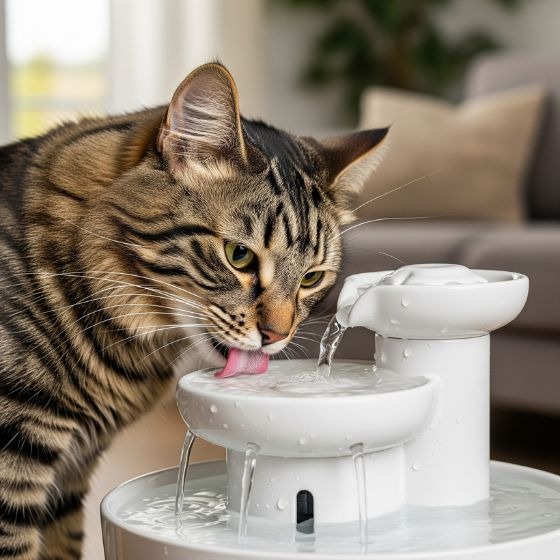
Cats have a unique way to drink water. Instead of sucking or lapping, cats tap the water with their rough tongue’s tip.
The hooks on the tongue help water stick. As the cat quickly pulls its tongue up, it creates a column of water. The rough texture helps pull the water upward, allowing the cat to catch it before it drops. This clever trick helps cats drink without getting their whiskers wet, showing just how valuable their rough tongues are.
Cats rely on their sense of smell for almost everything. To survive, cats use their tongues to mark territory and hide their scent.
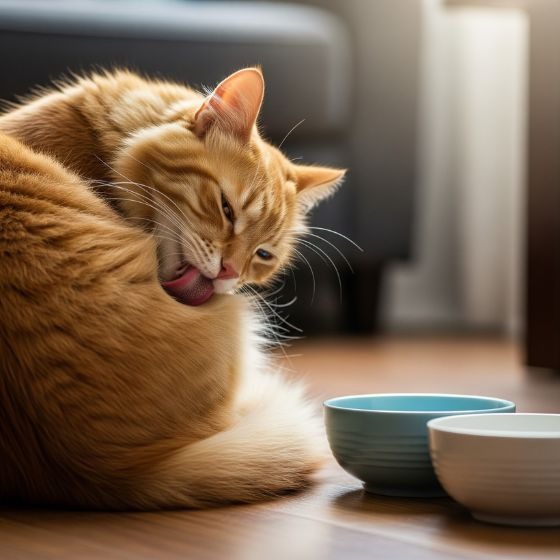
After eating, cats need to clean up because leftover food smells can attract bigger predators. Their rough tongues scrub their face and paws, removing traces of blood or food.
This answers the question, “Why do cats have a rough tongue?” A smooth tongue would only smear the scent, but the rough texture scrubs it away completely.
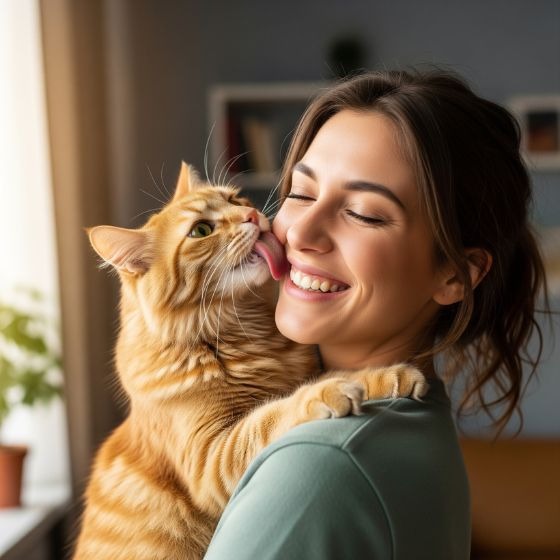
As mentioned earlier, cats sweat only through their paw pads, lips, and chin. Hence, they can’t cool off by sweating as we do. Instead, when cats groom themselves, they spread their own special scent, or chemical signature, across their fur. This scent lets other cats know they’re around and healthy, and it helps them claim territory. So, when a cat licks you, it’s marking you with its scent using its rough tongue.
Many people wonder, “Why do cats have rough tongues but not dogs?” Both are carnivores, have fur, and live with us, but their tongues are different. The answer comes down to how they hunt and live.

Dogs are pack animals, like wolves, and hunt together. They use their strong jaws to tear big pieces of food, so they don’t need rough tongues.
Cats, on the other hand, are solitary hunters. They chase small animals and eat alone. So, they need rough tongues to help them groom, eat, and get every bit of food.
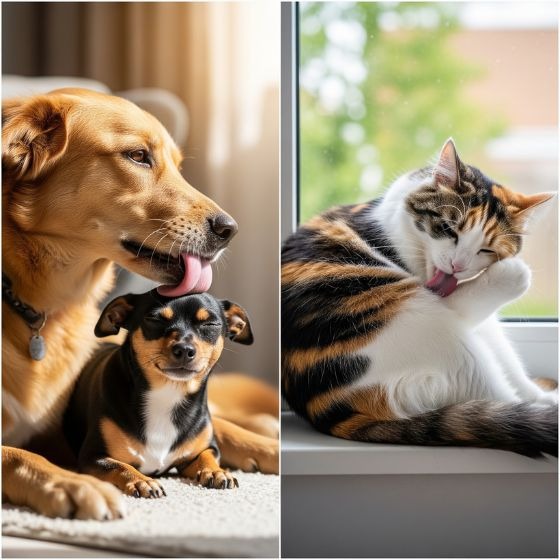
Dogs aren’t very tidy animals. They usually count on other pack members to help groom them, or they just don’t mind being dirty.
Their fur is also different from a cat’s. A dog’s tongue acts more like a washcloth, while a cat’s tongue works like a comb. When dogs drink, they create suction with their tongue, so a smooth tongue actually works better for them.
Cats, on the other hand, use their rough tongues to tap and lift water, which helps them drink without making a mess. These differences answer the question, “Why do cats have rough tongues but not dogs?”
While the rough tongue is a survival tool, it can also cause trouble. The backward-facing hooks are great at pulling things in, but they are terrible at pushing things out.
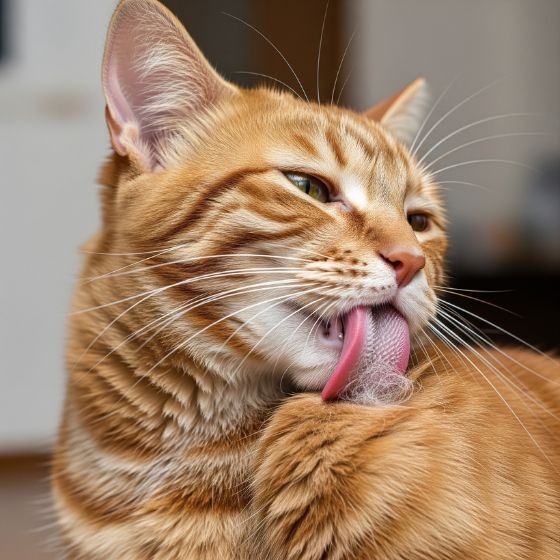
Because a cat’s tongue has tiny, backward-facing hooks, anything caught on it usually gets swallowed. Cats can’t spit things out easily. That’s why cats get hairballs; loose fur gets trapped on their tongue and ends up in their stomach. Most fur passes through, but sometimes it comes back as a hairball—a downside of having a rough tongue.
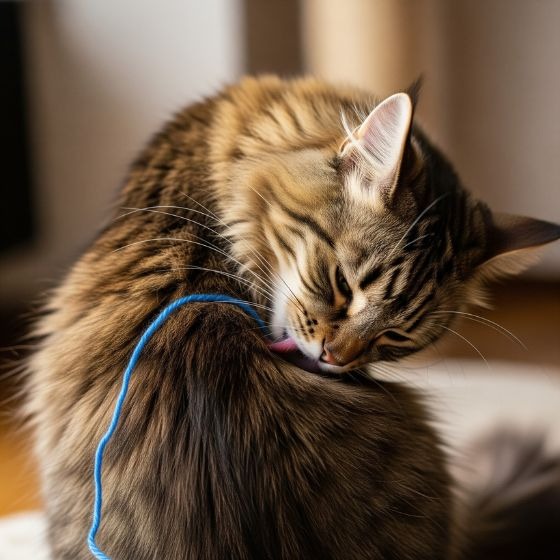
If a cat licks string, tinsel, or yarn, the hooks can force it down their throat, making it almost impossible to spit out. This can cause serious blockages, so it’s important to keep these items out of your cat’s reach.
On a lighter note, you might catch your cat with its mouth open and tongue sticking out. This can happen for many reasons, like being relaxed or having dental issues. It’s also a rare chance to see those fascinating tongue hooks up close without getting licked!
The texture of a cat’s tongue isn’t just for survival. It also helps them connect and bond with other cats and with you.
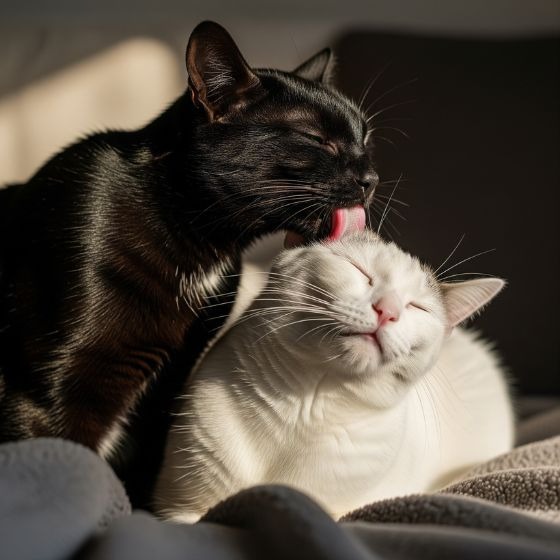
Cats often groom each other, a behavior called allogrooming. They usually focus on the head and neck, spots that cats can’t reach by themselves. The rough tongue feels like a mother cat cleaning her kittens.
It also helps cats feel happy and relaxed by releasing feel-good chemicals in the brain and easing stress. When your cat licks you, it’s treating you like family and trying to help you feel calm, too.
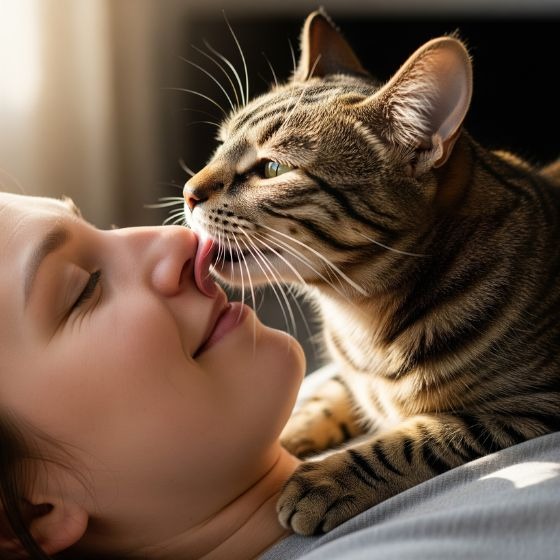
A cat’s lick can feel intense, giving a scratchy feeling. If a cat keeps licking the same spot, its rough tongue can cause your skin to be sore.
But when cats lick you, they’re just showing affection. Knowing “Why do cats have rough tongues?” helps you understand how they bond and show they care.
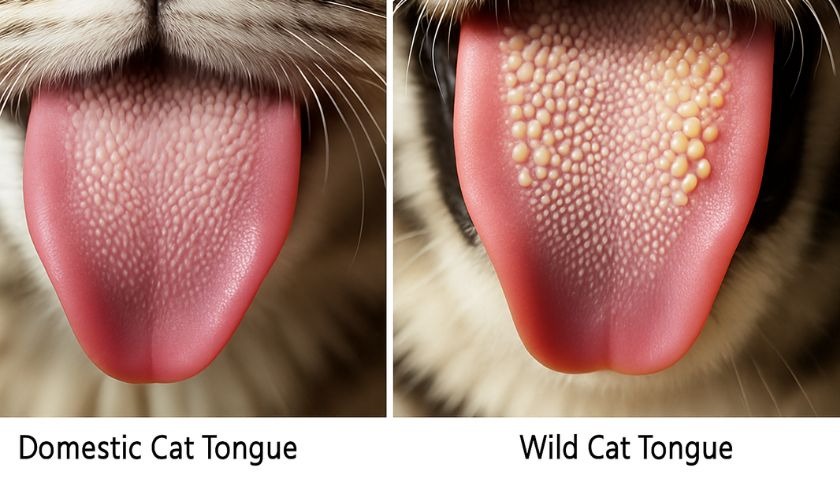
You might think your house cat’s tongue is rough. But it is nothing compared to a tiger or a leopard.
In the wild, big cats like lions and tigers use their rough tongues to scrape tough skin and muscle from their prey. Their tongue’s hooks are much larger and even strong enough to tear skin.
Your house cat has the same type of tongue, just smaller. This shows that, from lions to house cats, all cats rely on their rough tongues to survive. Even as pets, cats keep this trait because it still helps them groom and eat today.
Even though house cats now eat soft food, their rough tongue hasn’t gone away. Evolution is slow, and cats haven’t needed to lose this trait. Their rough tongue still helps them groom and drink, showing it’s rooted in their DNA.
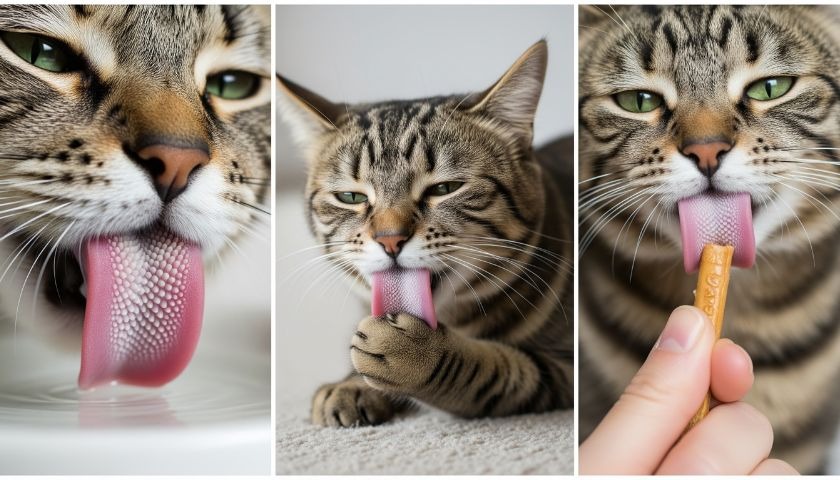
It’s natural to flinch when your cat’s sandpaper tongue scrapes your skin. But once you know the science, it’s easy to see that this roughness isn’t just for show. Your cat’s rough tongue helps them groom, cool down, and eat; it’s their built-in survival tool.
So the next time your cat gives you a scratchy kiss, try not to pull away. Accept it as a sign of trust from a perfectly designed hunter. The answer to “why do cats have rough tongues?” It’s nature’s way of making sure cats have everything they need to thrive.