
You get home after a ten-hour day, and the last thing you want is another chore waiting for you. Your inbox is full, your energy is gone, and you just want to collapse on the couch. You still want a companion, though. Something warm to greet you at the door. That’s where low-maintenance cats come in.
If you have a demanding job, a full social calendar, or a busy life, you can still own a pet. You only need the right match. Certain independent felines thrive in homes where their owners can’t dedicate hours to daily care. They groom themselves, entertain themselves, and still curl up next to you when the day winds down.
Let’s look at why cats make such a good fit for busy people and which breeds fit the bill best.
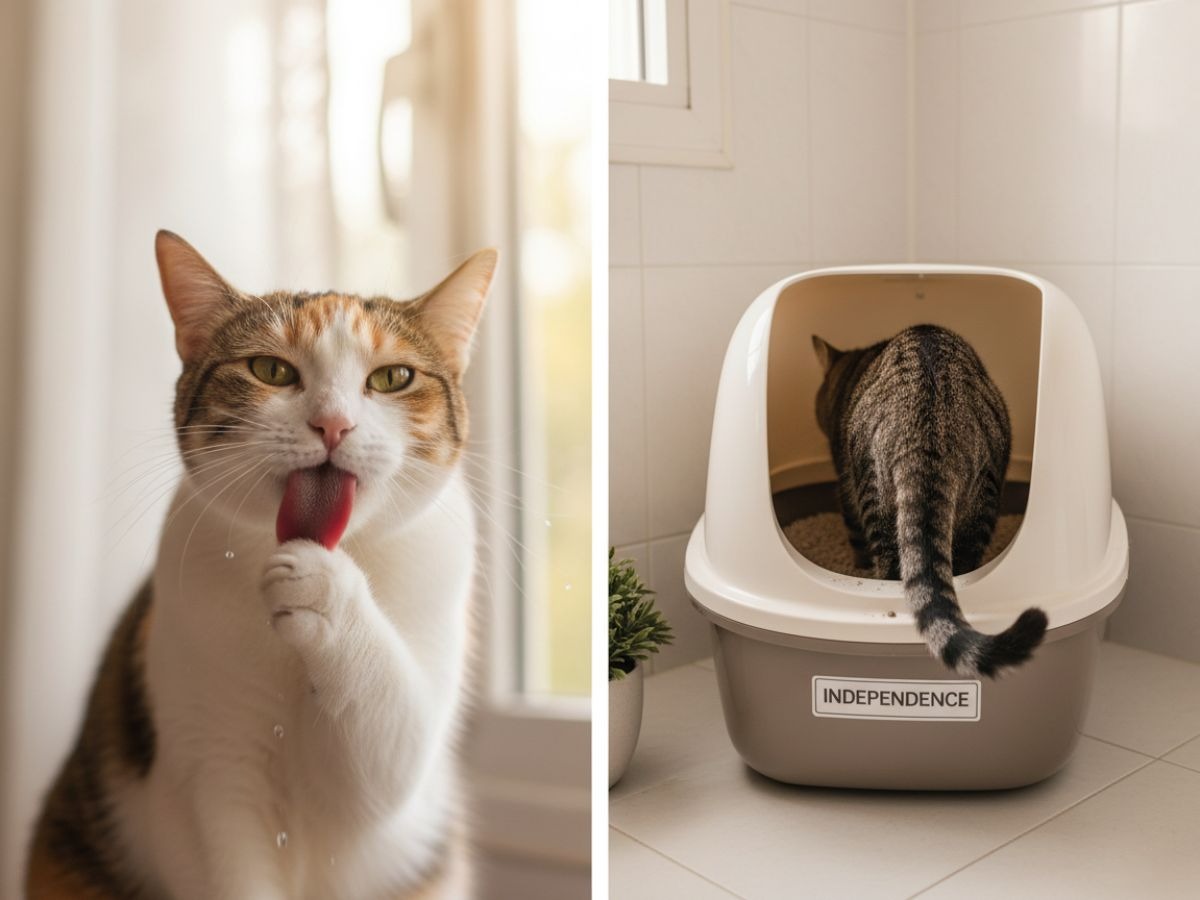
Most dogs want walks, play sessions, and company almost round the clock. Skip a walk, and you’ll hear about it. Cats? They were born with a strong sense of self-reliance. This is why cats are low maintenance for busy pet parents. They sleep for up to 16 hours a day, entertain themselves for hours, and do well in calm, predictable spaces. A sunny windowsill can keep a cat happy for an entire afternoon.
They groom themselves, so their coats need very little care from you. A quick tongue session removes loose fur and keeps their skin healthy. You won’t spend your weekend scrubbing a stinky, wet animal in the bathtub, and that alone saves you real time.
Their litter box instincts are another huge plus. Most kittens learn to use a litter box right away, so house training takes less time than with a puppy. They don’t need outdoor walks in rain or shine, and they don’t demand your attention every single minute. They’ll snuggle with you while you work or relax and ask for affection when you’re ready.
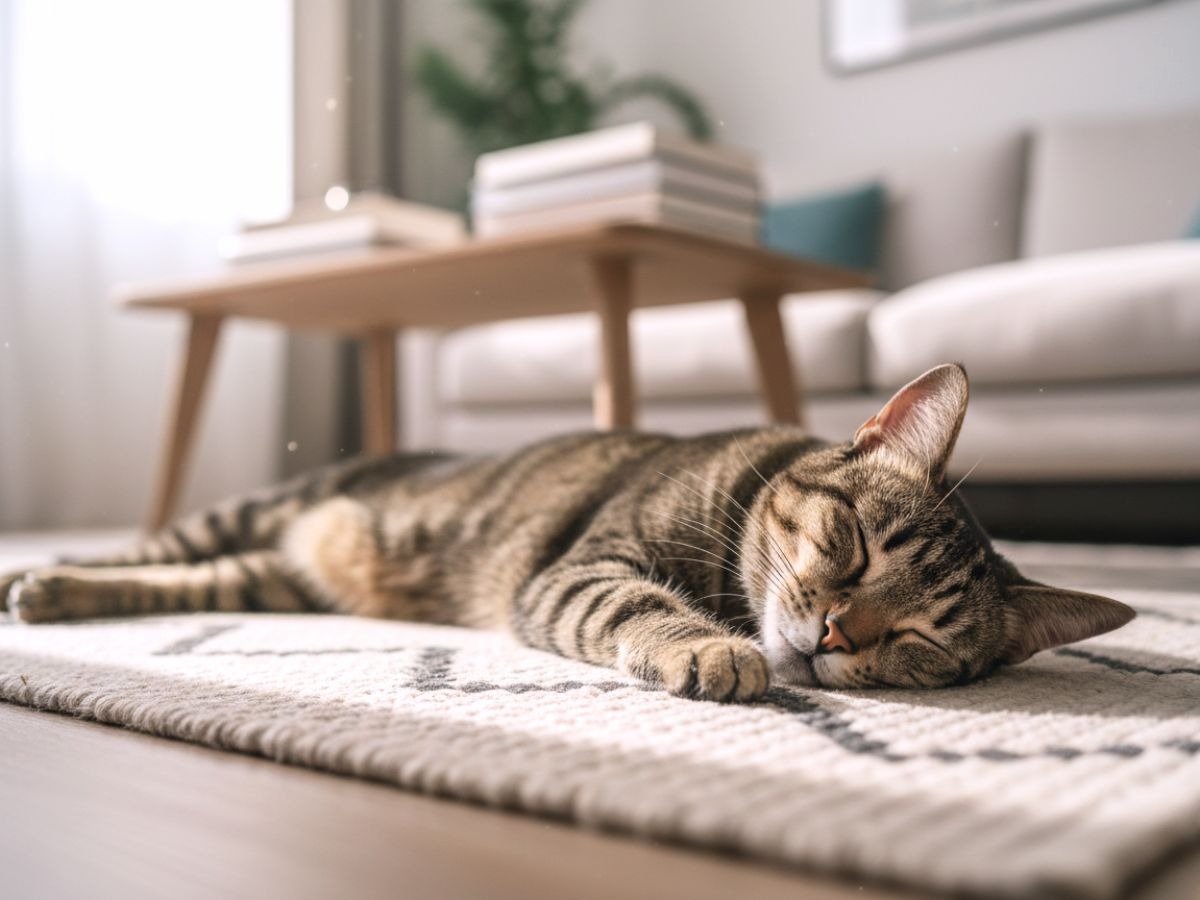
Not every feline fits the easy-to-care-for description perfectly. You need to identify specific characteristics before you bring a new pet home. Finding a truly low-maintenance cat means considering coat length, age, and personality.
Coat length plays a huge role in your daily chores. Short-haired kitties need very little brushing. You might only need to brush them once a week. Long-haired breeds need daily brushing to prevent painful mats in their fur.
Skipping this chore can result in expensive vet visits, so short hair is ideal if you want to save time. It also helps keep your floors cleaner. Low-maintenance cats usually sport short, sleek coats.
Age matters a lot. Kittens require constant supervision. They chew on wires, climb curtains, and cry at night. Adopting an adult feline is a much smarter choice for busy people. Adult animals have established personalities. They sleep more and cause far less trouble.
You must carefully consider their overall health profile. Some breeds have flat faces. Others have specific genetic issues. These traits often mean frequent trips to the vet. They might need daily medication.
You want a sturdy pet with a strong immune system. Mixed breeds often have fewer genetic health problems than purebreds. They tend to live longer, healthier lives with fewer complications.
Personality matters heavily. You want a laid-back animal that adapts well to indoor living. High-energy pets might destroy your furniture if they get bored. A calm companion will happily watch birds from the window instead.
You should consult a good cat breed guide to evaluate the right companion for your specific home environment. Taking the time to research now saves you years of frustration later.
Breed traits can give you a good clue about care needs. While every cat has its own personality, these low-maintenance breeds are relaxed, independent, and easier to manage.
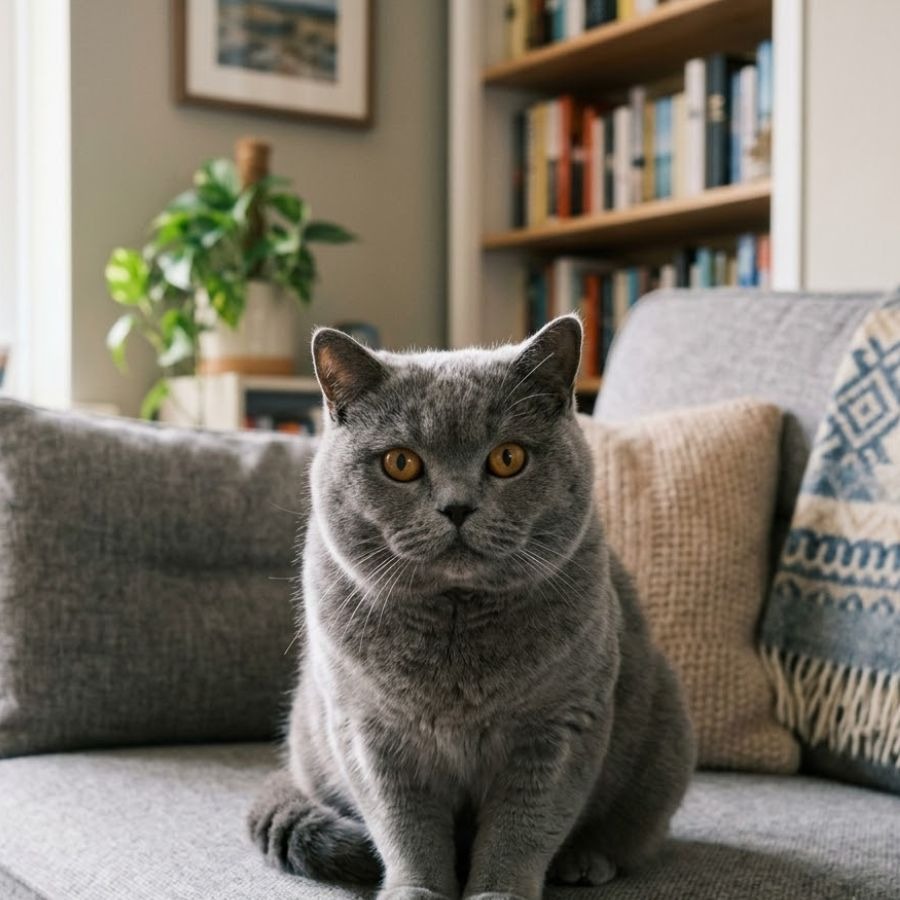
The British Shorthair is a classic choice for busy owners. This breed is calm, steady, and happy to relax beside you without constant attention.
Its plush coat gives it that famous round-faced look, which many cat lovers adore. You can see more examples of similar looks in this list of round-faced cat breeds. British Shorthairs also require little grooming, making them ideal for a low-stress home.
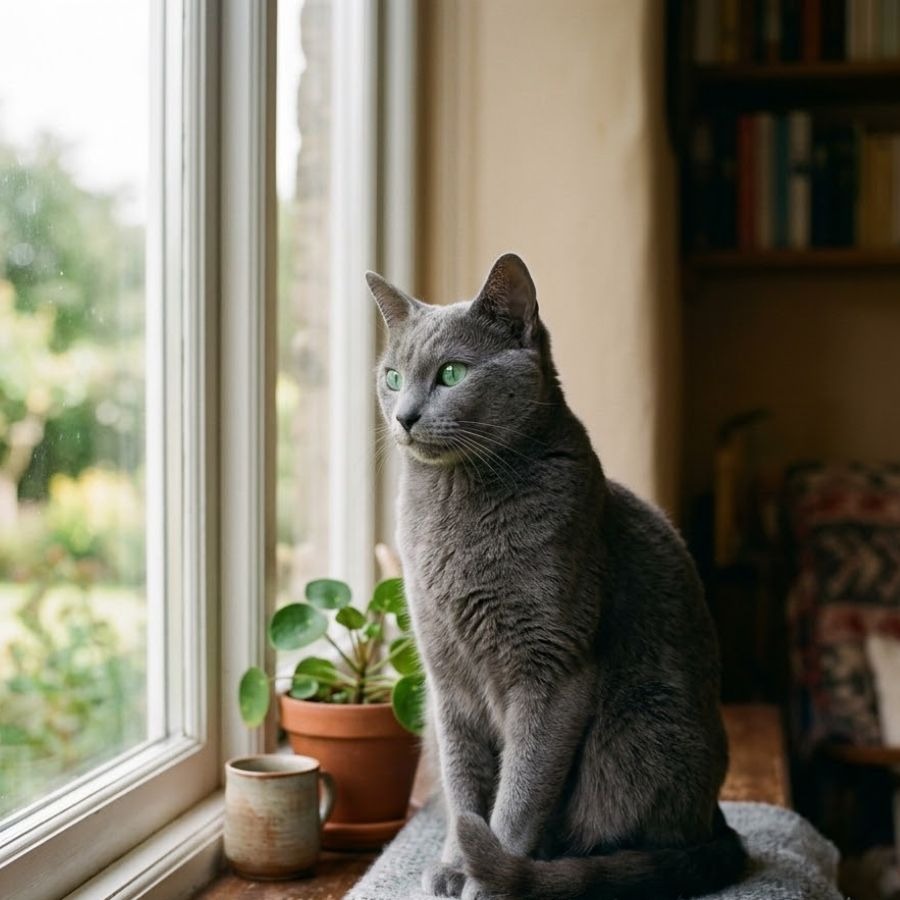
The Russian Blue has a short, sleek coat and a quiet nature. It’s one of those cats that can happily keep itself busy while you work, read, or handle life.
This breed likes routine and does not usually demand a fuss. That makes it a smart pick for people who want a peaceful, easy-to-care-for companion.
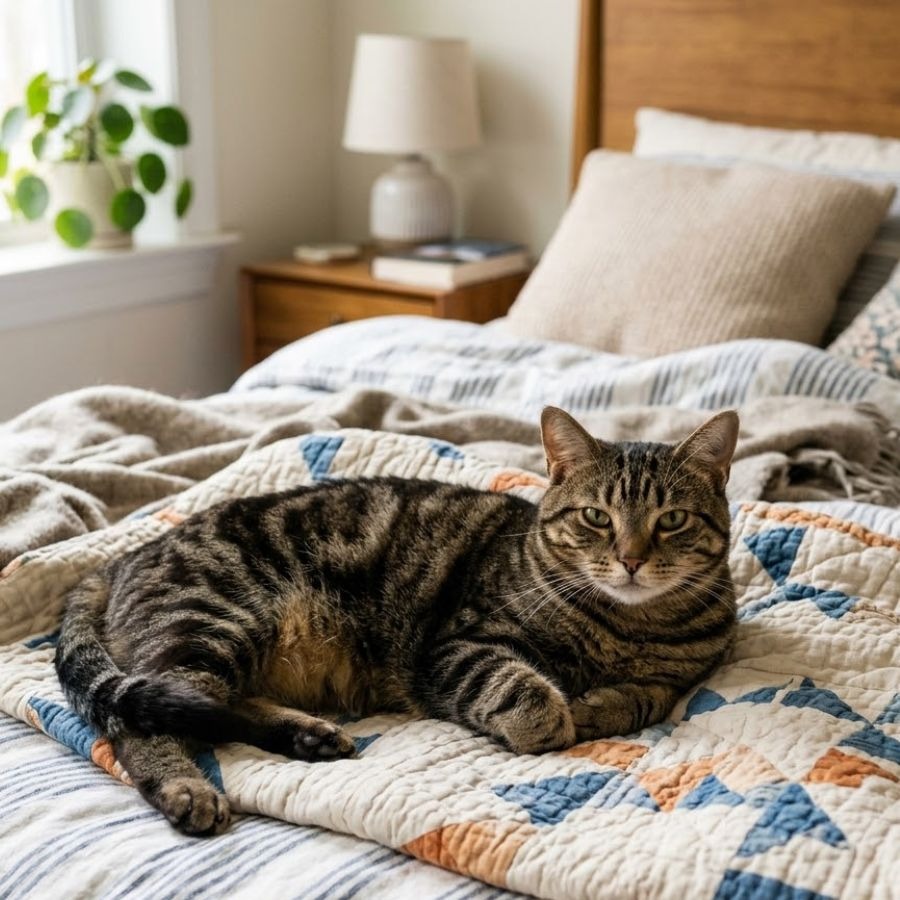
The American Shorthair is known for being friendly, adaptable, and easy to live with. It brings affection without needing constant attention, which is a big reason so many people love this breed.
If you want a cat that bonds closely but still gives you space, this is a strong choice. It also fits the qualities you’d expect from the most loving cat breeds, with less drama and upkeep.
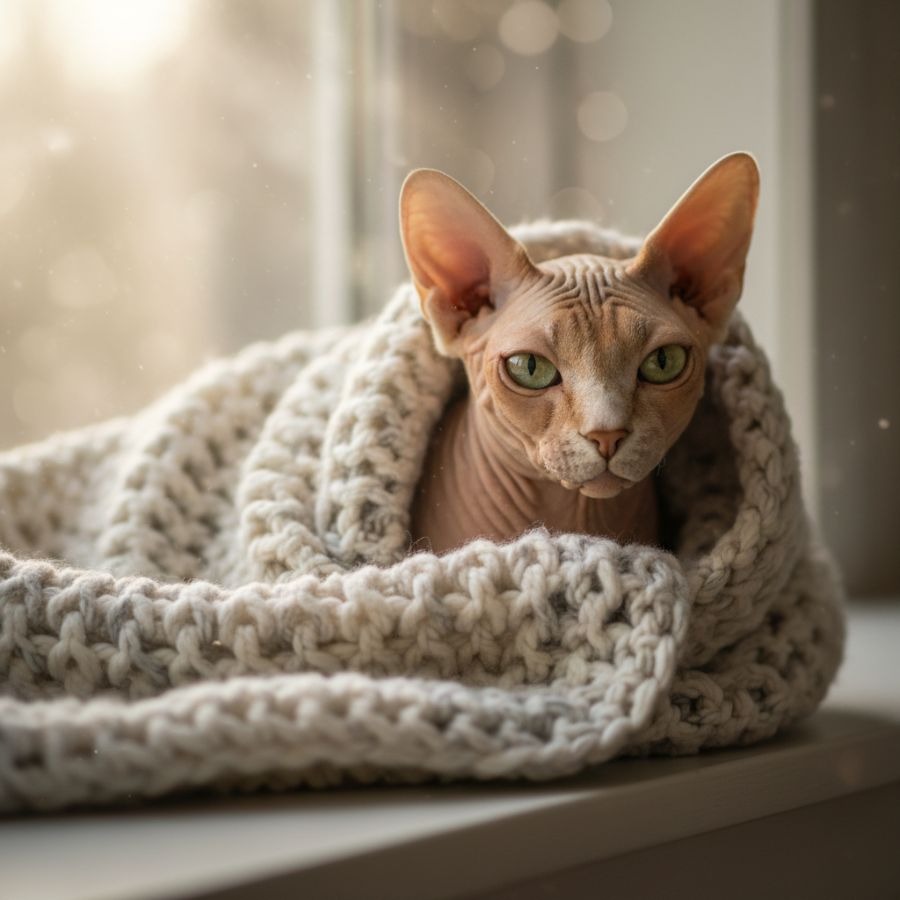
The Sphynx cat is a special case. It skips daily brushing because it has no fur, but that doesn’t mean it needs no care.
You’ll need regular baths to manage skin oils and keep its skin healthy. For a deeper look at its unique coat genetics, read this article on Why Are Hairless Cats Hairless. So while the Sphynx is low-shedding, it still needs a routine.

Even the easiest pets need a predictable schedule. Setting up smart systems right away keeps your daily chores to a bare minimum. Keeping cats low-maintenance is all about working smarter, not harder, and you can automate many daily tasks.
Technology is a busy pet parent’s best friend. You should invest in an automatic food feeder. It dispenses exact portions of food and drops the food at the same time every day.
Your pet is fed on time, even if you’re stuck in traffic, so they never go hungry. It also prevents them from waking you up early for breakfast.
A self-cleaning litter box is a major time saver. It automatically rakes away waste, so you only need to empty the sealed bag once a week. That keeps your home cleaner and smelling fresh while taking a messy chore off your plate. Your cat also always has a clean place to go.
Hydration is extremely important for indoor pets. Buy a pet water fountain, as felines prefer drinking running water. A fountain filters the water and keeps it fresh for days. This prevents painful urinary tract infections, keeping your vet bills low.
You still need a few essential supplies on hand. Keep some high-quality brushes and nail clippers handy for basic upkeep. Trim their nails every few weeks to protect your furniture. Give them a quick brush on Sunday mornings. A simple ten-minute routine each weekend keeps them healthy.
Provide plenty of vertical space in your home. Cat trees and window perches give them places to climb and observe their territory from above. This provides mental stimulation and helps keep a cat content.
Rotate their toys once a month to keep things interesting. Hide small treats around the house, and they will hunt for them while you work. This provides mental stimulation with little effort on your part. Taking care of low-maintenance cats is easy with these routines.
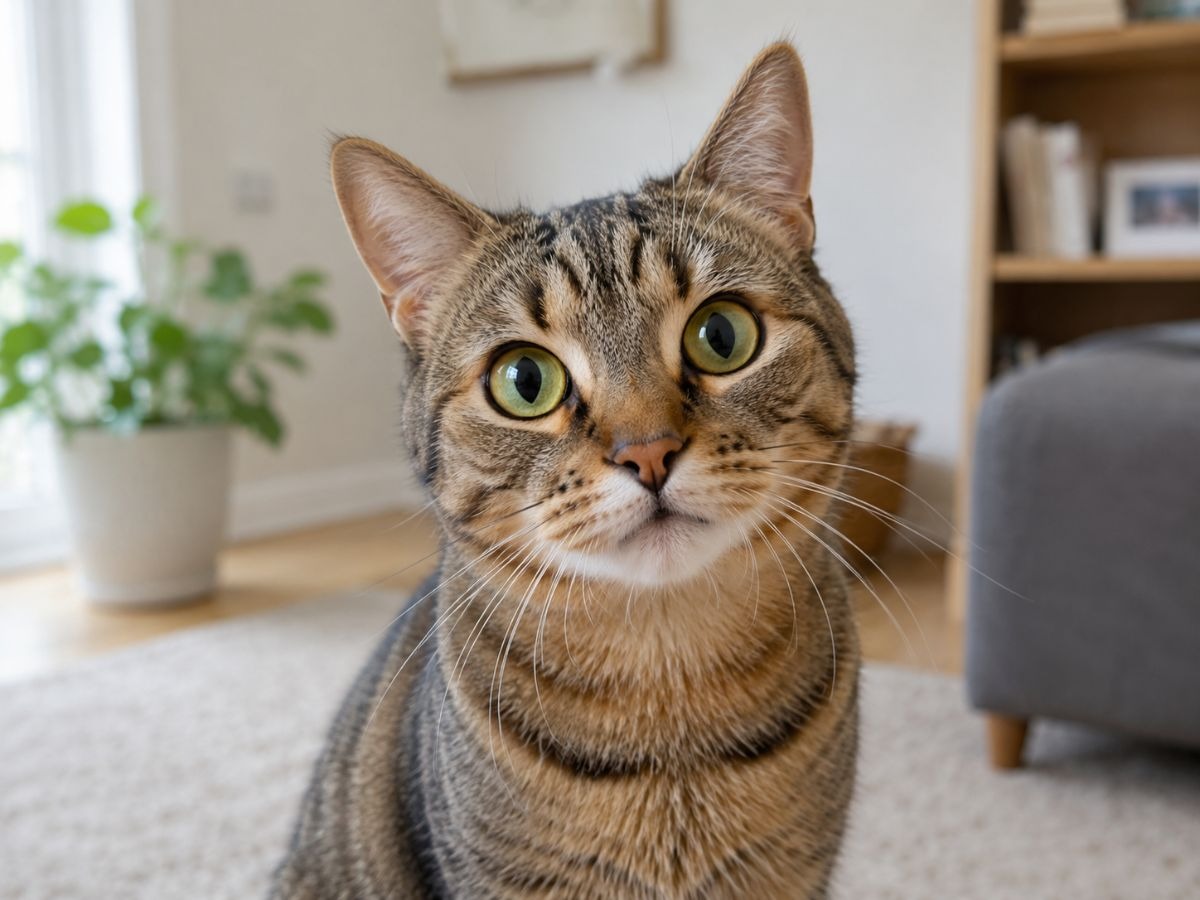
Are all short-haired cats low maintenance?
Not automatically. Coat length helps, but temperament, energy level, and health also play a role. Even a short-haired cat with a feisty personality may need more attention than a more sedate long-haired breed.
How often do I groom an easy-care companion?
Most low-maintenance breeds need weekly brushing to help control shedding. A basic grooming routine also includes nail trims every few weeks and occasional ear checks.
Is it ok to leave my pet alone all day?
Most adult and independent cats with food, water, and a clean litter box can handle an eight-hour workday just fine. Just make sure they have enrichment, like a window perch or a few toys, to stay occupied.
Do self-sufficient cats still long for affection?
Yes. Independence is not indifference. Most cats still seek out attention on their own terms, often settling in for cuddles once you’re home and relaxed.
What is the easiest breed for first-time owners?
Both the British Shorthair and American Shorthair make great choices for beginners. They’re adaptable, low drama, and forgiving if you’re still learning the ropes of cat ownership.
Do apartment-friendly kitties need less vet care?
Not necessarily. Even indoor cats need regular check-ups, vaccinations and preventive care. Living indoors reduces some risk exposure but does not replace routine vet visits.
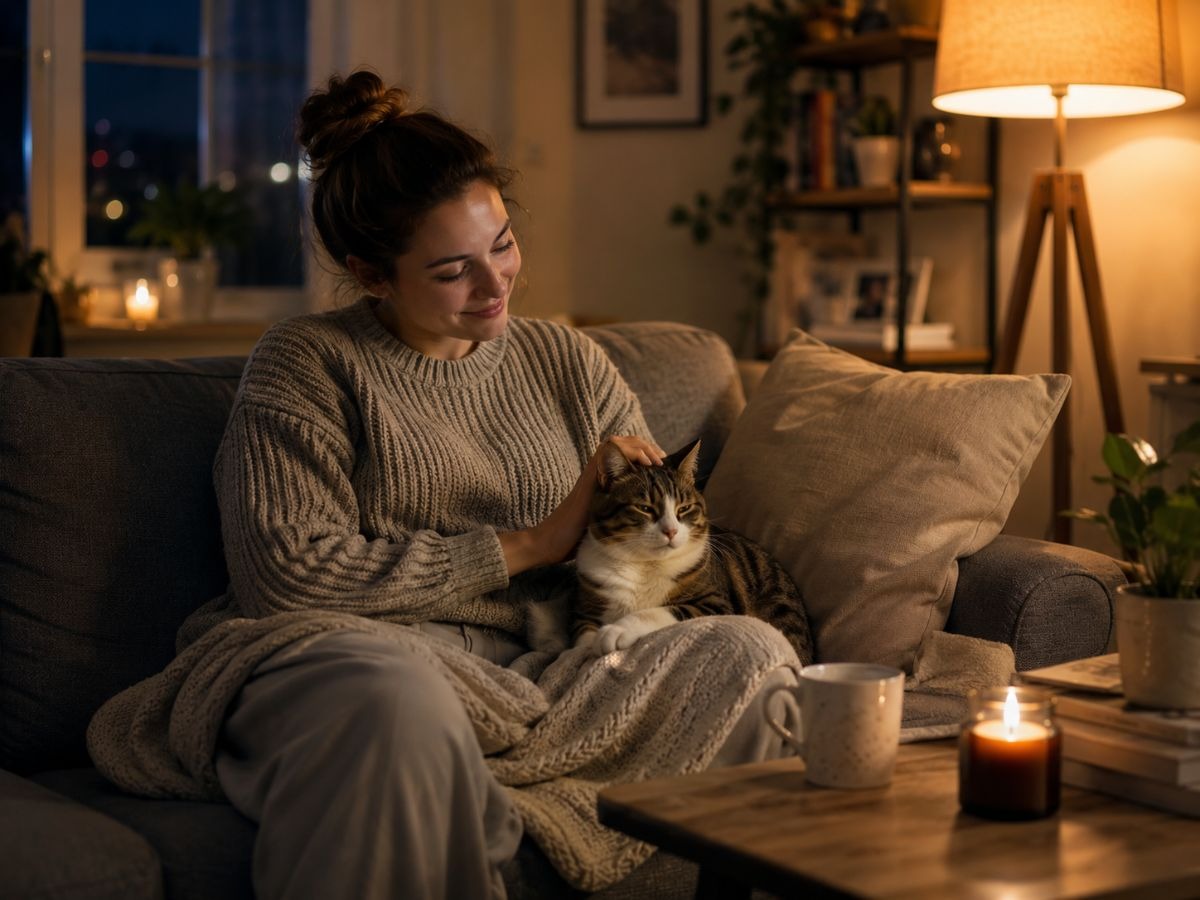
Low-maintenance cats can be a great fit for busy lives, but “less work” is not the same as “no work.” Every cat needs food, vet care, clean water, a safe home, and real emotional attention.
Before you bring one home, be honest about your schedule and your energy. Ask yourself whether you can give a living creature a stable routine, even on your hardest days. If the answer is yes, a low-maintenance cat breed can be a wonderful match for your home and heart.