
Want a pet with serious presence? Big cats are great pets. They add happiness and fun to any home. These gentle giants are much heavier than your average kitty, so they require special care and sturdy furniture. Let’s explore the world of large house cats and see which one fits your lifestyle.
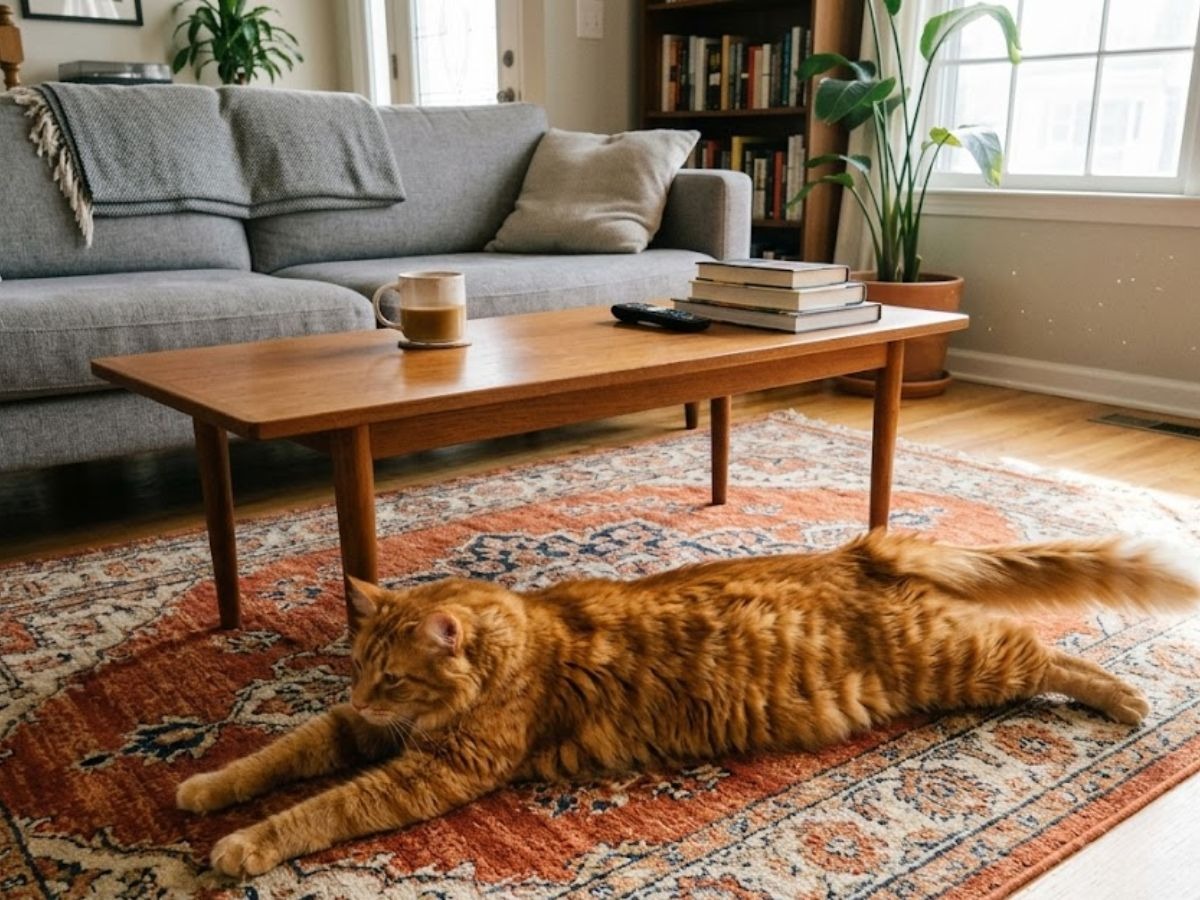
Some interesting differences exist between big cat breeds and normal pets. They grow slowly and behave differently around the house. Those characteristics affect everything from how you arrange your home to how often you schedule vet visits. These are the main features you will notice.
Several large domestic house cat breeds have earned a spot in homes around the world. Each one brings its own history, look, and temperament.
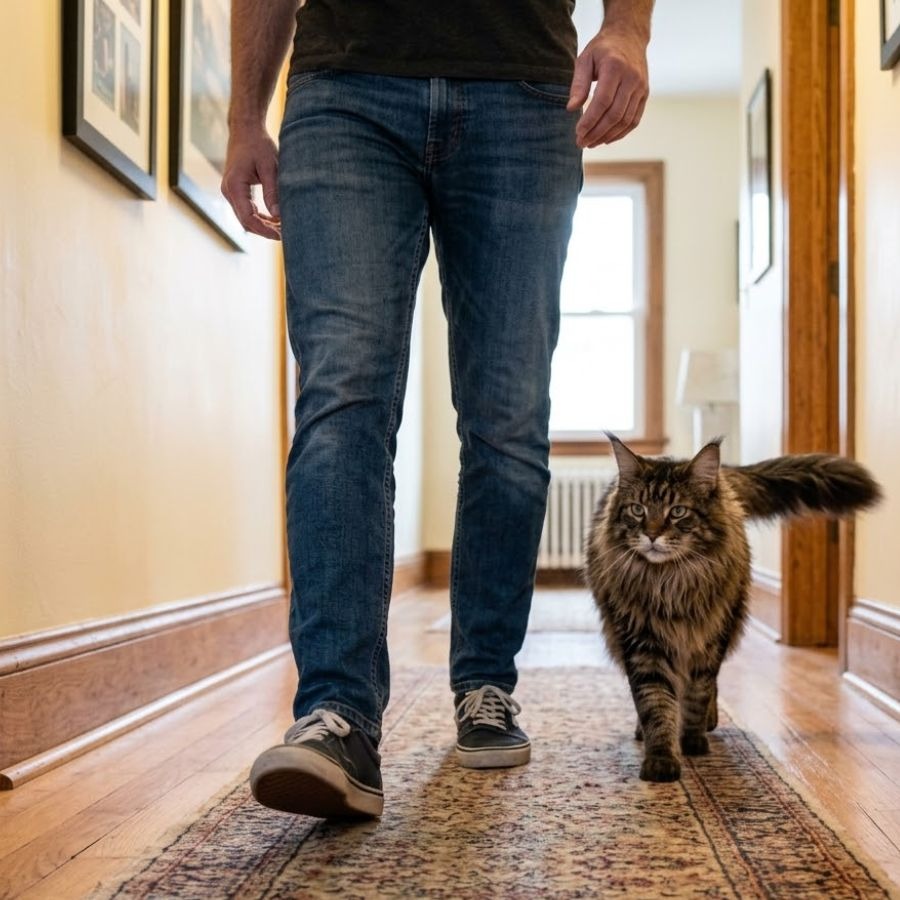
The Maine Coon wears a heavy, water-resistant coat and sports tufted ears that give it a wild, majestic look. Despite that rugged appearance, this breed has a soft heart. Their expressive eyes and chirping vocalizations make talking to them feel almost like a real conversation.
Maine Coons are famous for their dog-friendly nature. They often trail their owners from room to room, wanting to be part of everything you do. This loyal habit shows up in many clingy cat breeds, and the Maine Coon sits near the top of that list.
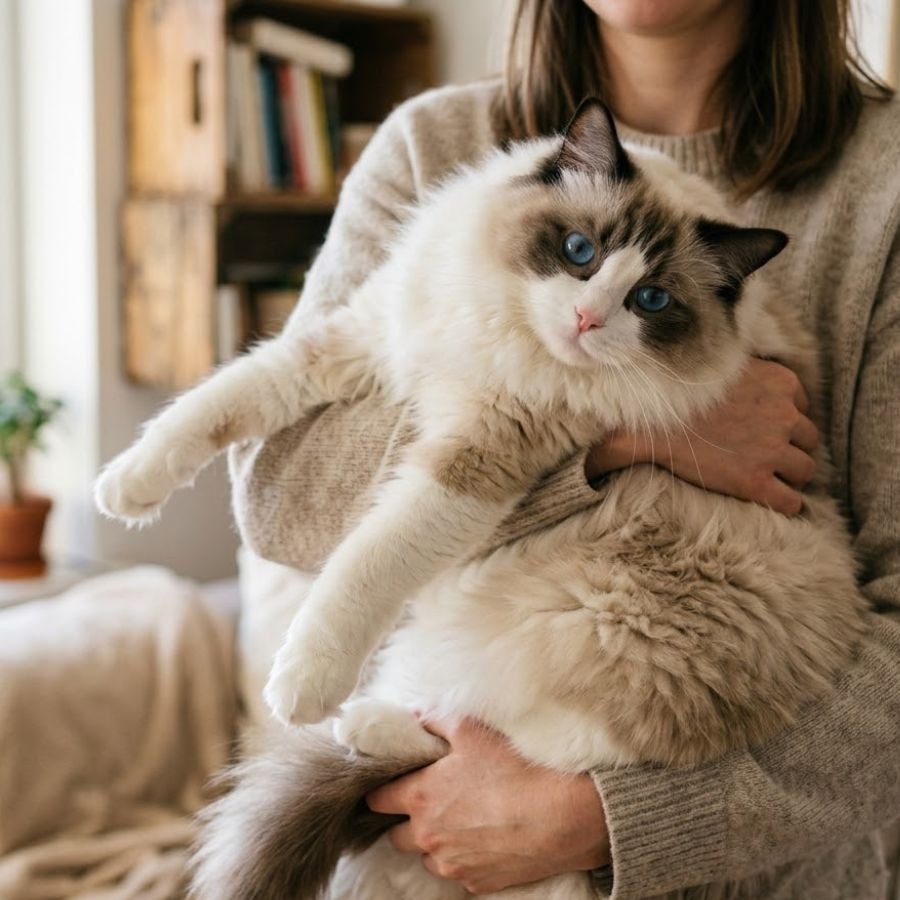
Ragdolls earned their name for a good reason. Pick one up, and it’ll often go limp in your arms, relaxed and trusting. This breed features striking blue eyes and soft, plush fur that feels wonderful to pet.
Ragdolls make fantastic lap cats, and they consistently rank among the most loving cat breeds you can bring home. Quieter homes and apartments suit them because they prefer being with their partner to climbing or exploring. Consider encouraging moderate play sessions to maintain a healthy weight due to their laid-back nature.
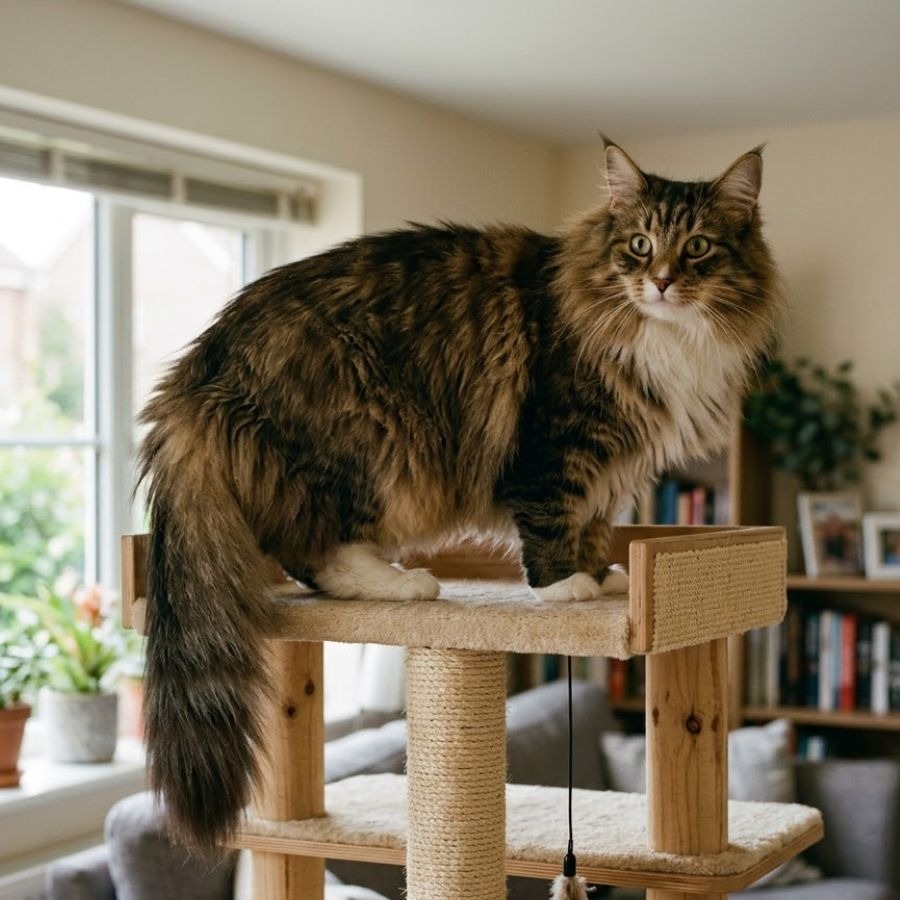
Built for cold climates, the Norwegian Forest Cat carries a thick, water-resistant double coat. The breed’s thick coat helped them survive harsh Scandinavian winters, and lends them a rugged, outdoorsy charm today. Their solid build and strong claws speak to their history as capable hunters and barn cats.
These cats love high vantage points. They’ll happily climb bookshelves or cat trees to survey their territory. Their grooming needs run similar to other long-haired black cat breeds, so regular brushing keeps their coat healthy and mat-free.
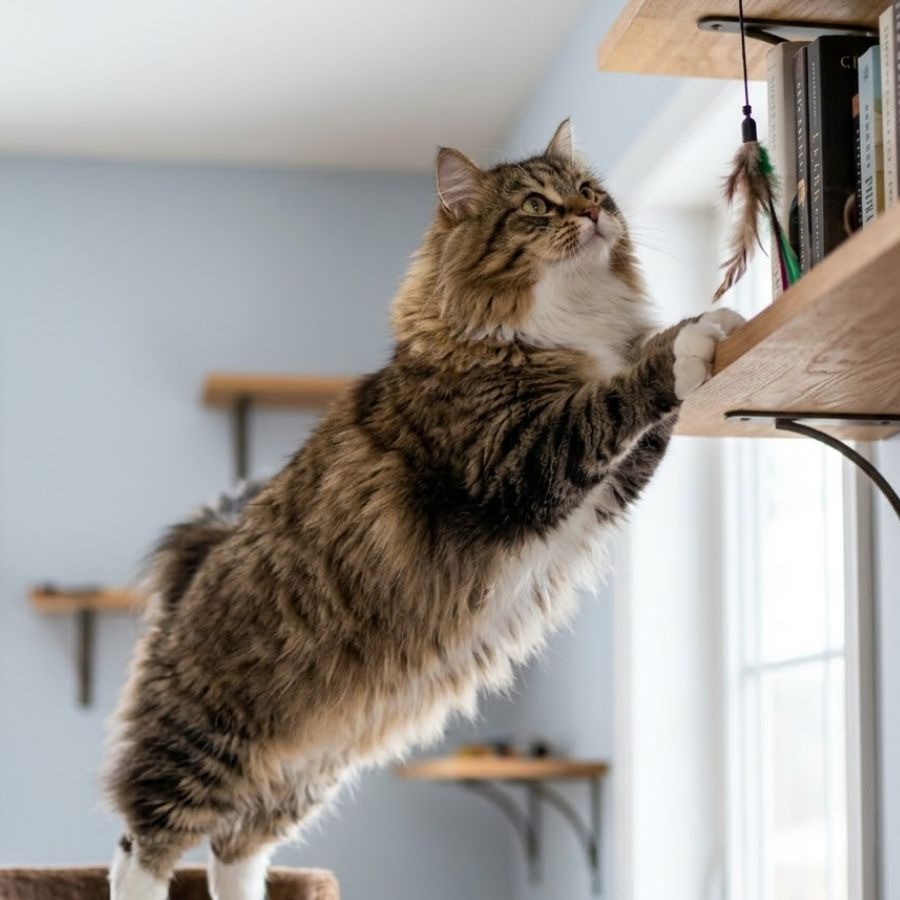
The Siberian cat carries a triple coat that keeps it warm and gives it a rounded, plush appearance. Its sweet, open expression makes it instantly likable. Many people are drawn to their balanced nature: playful without being chaotic, loving without being clingy.
You’ll notice their facial structure shares traits with other round face cat breeds. Siberians are also pretty good jumpers. They can jump up to high shelves with little effort. Their athleticism makes them fun to watch, especially when you provide varying toys and climbing routes.
If you love a wild look and high energy, these exotic large house cats might be exactly what you want. Most have wild ancestry and need extra time and care. They can bond deeply with devoted owners but are not ideal for someone seeking a low‑maintenance companion.
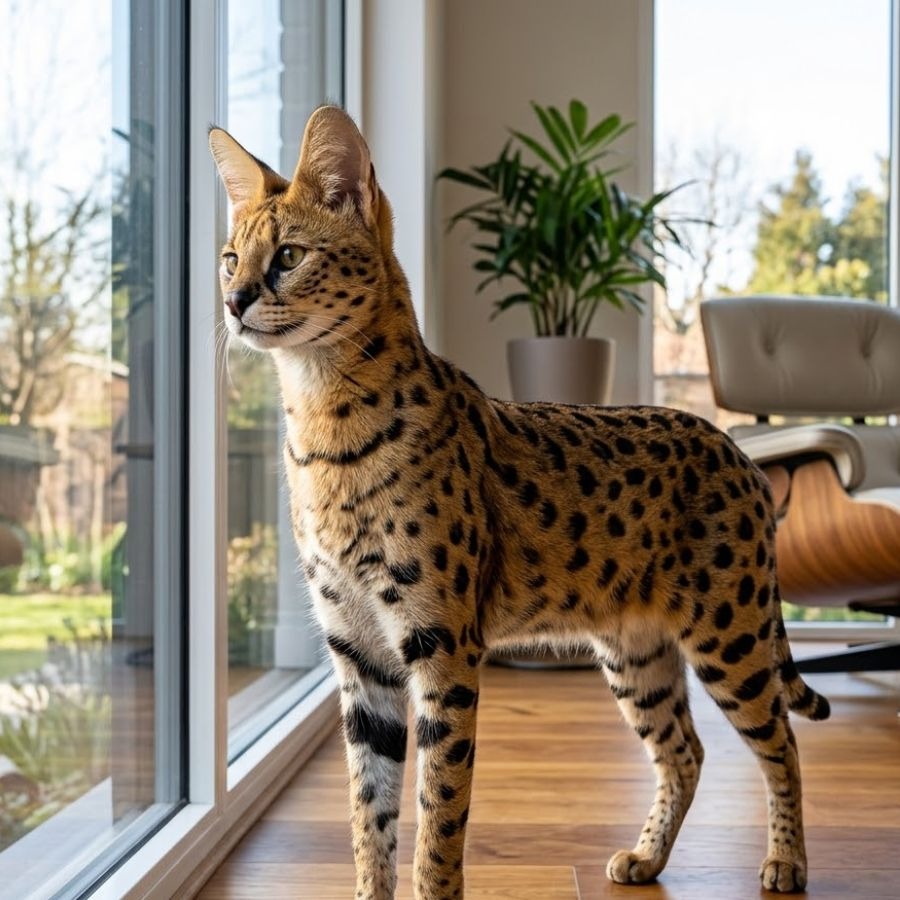
Savannahs are large exotic house cats bred from domestic cats and African servals. Early generations can stand taller than many small dogs and weigh 12 to 25 pounds or more. They have long legs, spotted coats, and huge ears.
These cats are incredibly smart and energetic. They need hours of play, puzzle toys, and vertical space to burn off steam. They learn tricks fast, walk on leashes, and love to explore everything you do.
Always check local laws — some areas restrict early‑generation Savannahs. Later generations may be more manageable for typical homes but still require committed, experienced owners.
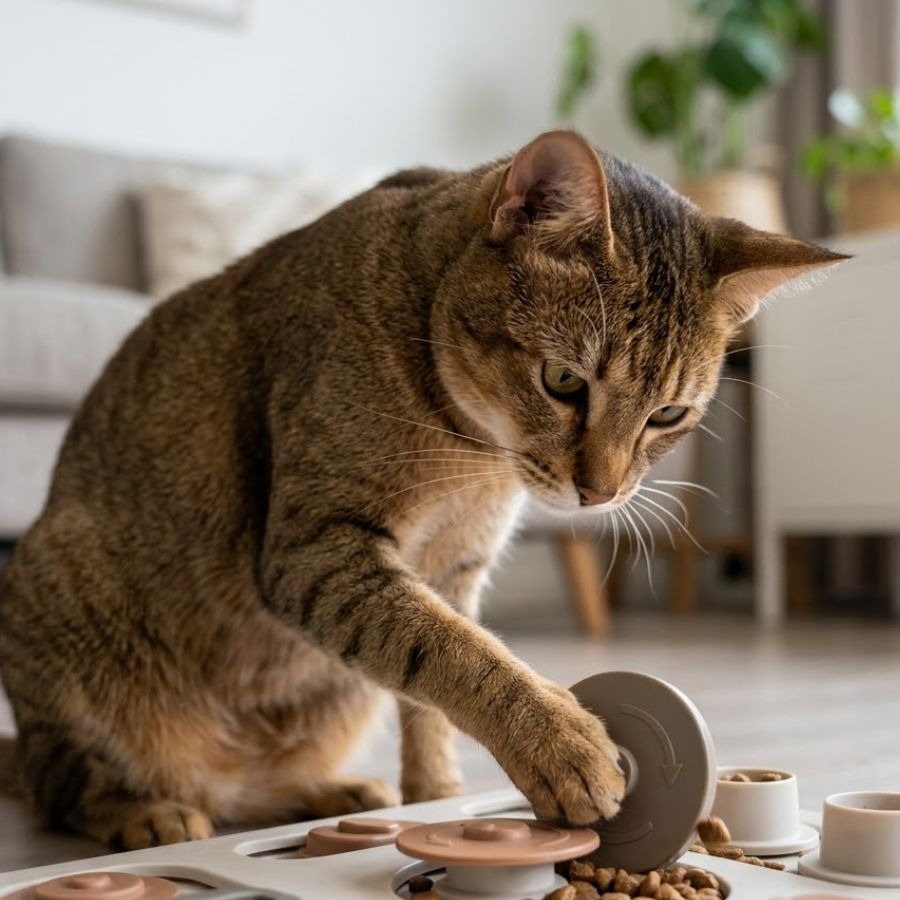
Chausies come from crossing domestic cats with jungle cats. They have sleek, athletic bodies and weigh 15 to 25 pounds. They fit right in with the most active cat breeds — they need constant mental stimulation and physical play. Their alert gaze and quick reflexes show how closely connected they are to their wild roots.
They love chasing toys, climbing, and learning new games. If you work long hours, a Chausie will get bored fast. They do best with a playmate or someone home often. That said, they usually suit experienced cat owners who enjoy spending dedicated time on enrichment.
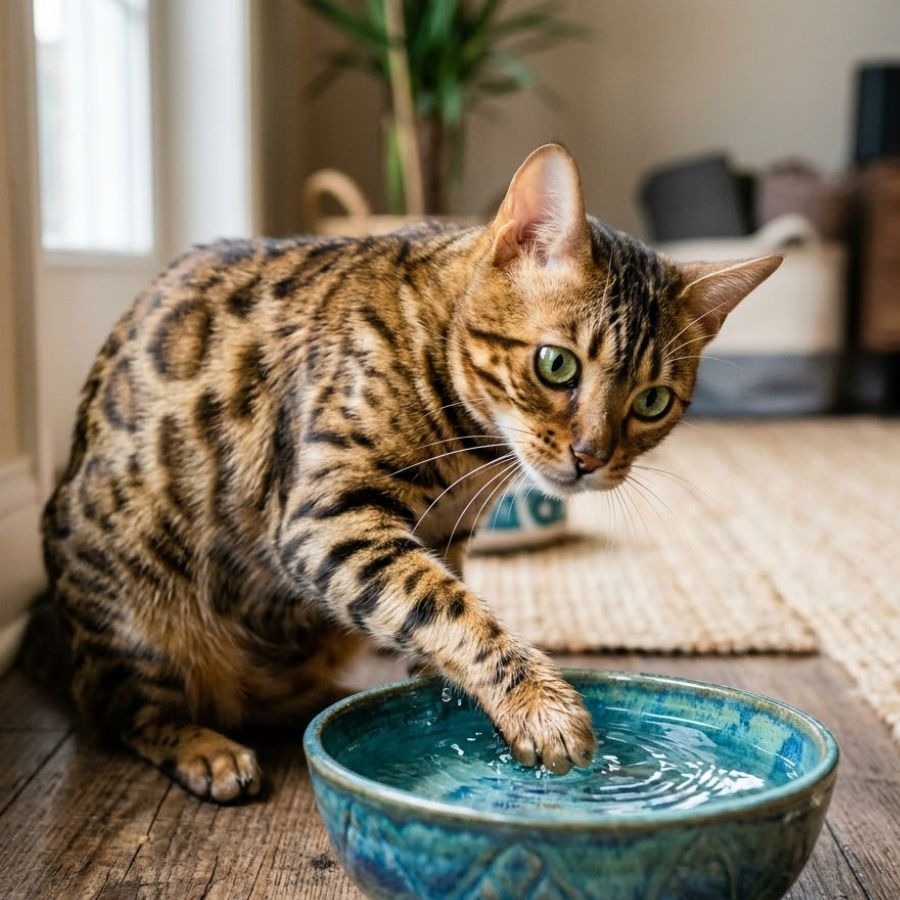
Bengals have beautiful rosette coats that look like wild leopards. Their shimmering coats often appear different shades under changing light, adding to their exotic appeal.
They weigh 8 to 15 pounds and are full of energy. Unlike many cats, they love water. They’ll splash in sinks, jump in showers, and even swim if given the chance.
They’re smart, curious, and want to be part of every activity. They thrive on interactive play and need plenty of things to keep their busy minds busy. Without proper outlets, Bengals may resort to loud vocalizing, door‑dashing, or creative ways of getting into cabinets.
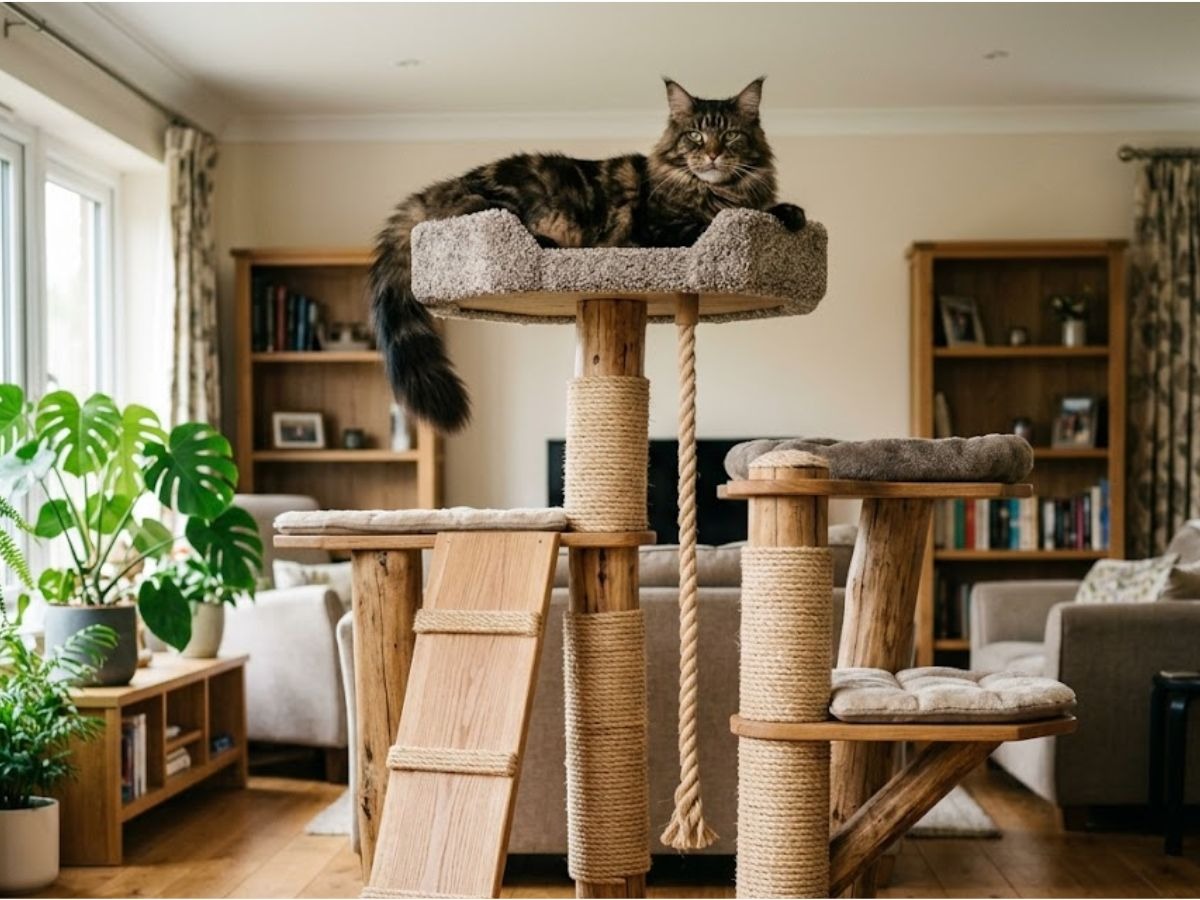
Owning large house cats means upgrading your pet gear. A 20-pound feline needs sturdier furniture and more room to move.
Your home setup plays a huge role in keeping your big feline safe and satisfied.

Massive felines face unique medical challenges throughout their lives. You have to watch their diet and their physical condition. Focus on these areas of health.
Extra weight ruins joint health quickly in large house cats. You must consult your vet for precise daily feeding guidelines. Keeping them lean ensures a much longer and happier life. Heart disease also affects several big feline breeds frequently.
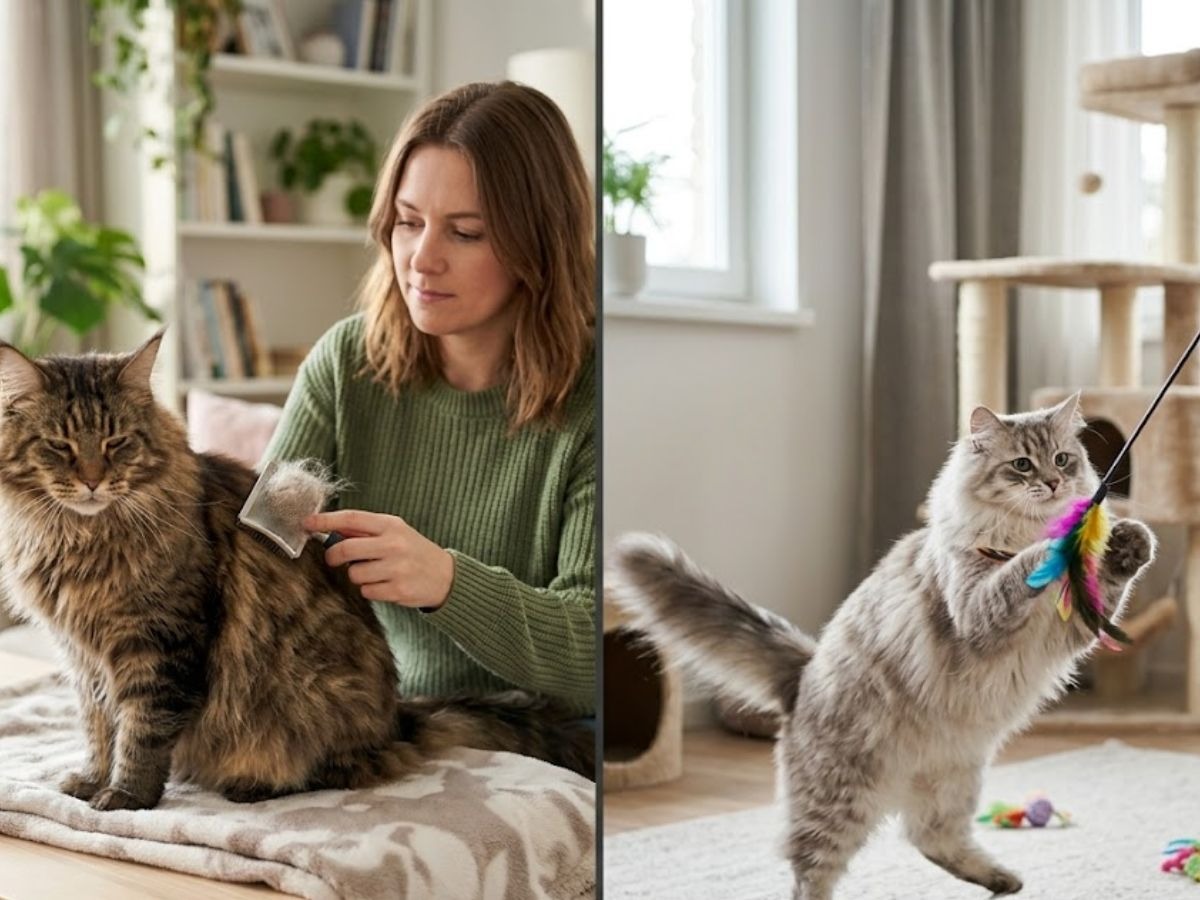
Choosing among these gentle giants comes down to your daily schedule and energy level. Some breeds such as the Maine Coon or Norwegian Forest Cat require regular brushing to maintain their thick coats. Others are more wash‑and‑wear but still require mental stimulation and companionship.
Some, like the Savannah or Chausie, need hours of active play every day. Be honest with yourself about how much time you can really offer. If you travel often, work late, or socialize a lot, a demanding exotic breed probably isn’t the best fit.
Still weighing your options? A comprehensive cat breed guide can help match personality traits to your own routine and living situation.
The Maine Coon is usually recognized as the biggest overall, with some males exceeding 25 pounds. Early‑generation Savannahs can stand taller, though they are not always considered fully domestic.
Yes — they need more calories and protein to support their large muscles and bones. Always stick to portion guidelines from your vet or food label.
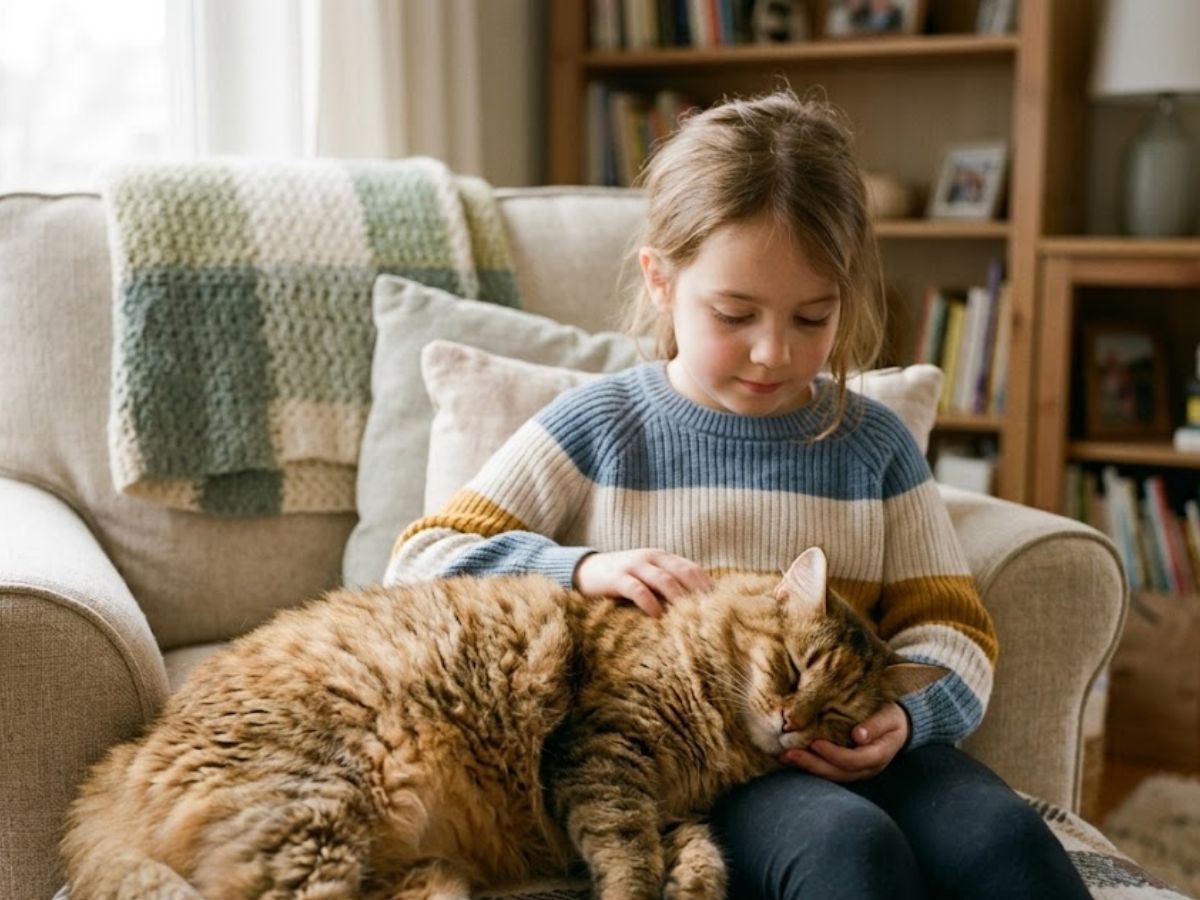
Large breeds (such as Maine Coons and Ragdolls) are usually gentle and patient. Always supervise young children, however, and teach them to handle the cat gently and respectfully.
Their needs include space to run and stretch and vertical territory like cat trees, shelves, and perches. Even in apartments, vertical space is more important than just square footage.
Usually not. With proper care, good food, and regular vet visits, most large house cats live 12 to 15 years. Some like the Norwegian Forest Cat often reach 16 or more.
Most vets don’t recommend it. High‑energy exotic large house cats need room to move and climb. They may get bored, stressed, or destructive without enough outlets.
Brush two or three times a week, and daily during heavy shedding seasons. This prevents mats, reduces hairballs, and keeps their coat healthy.
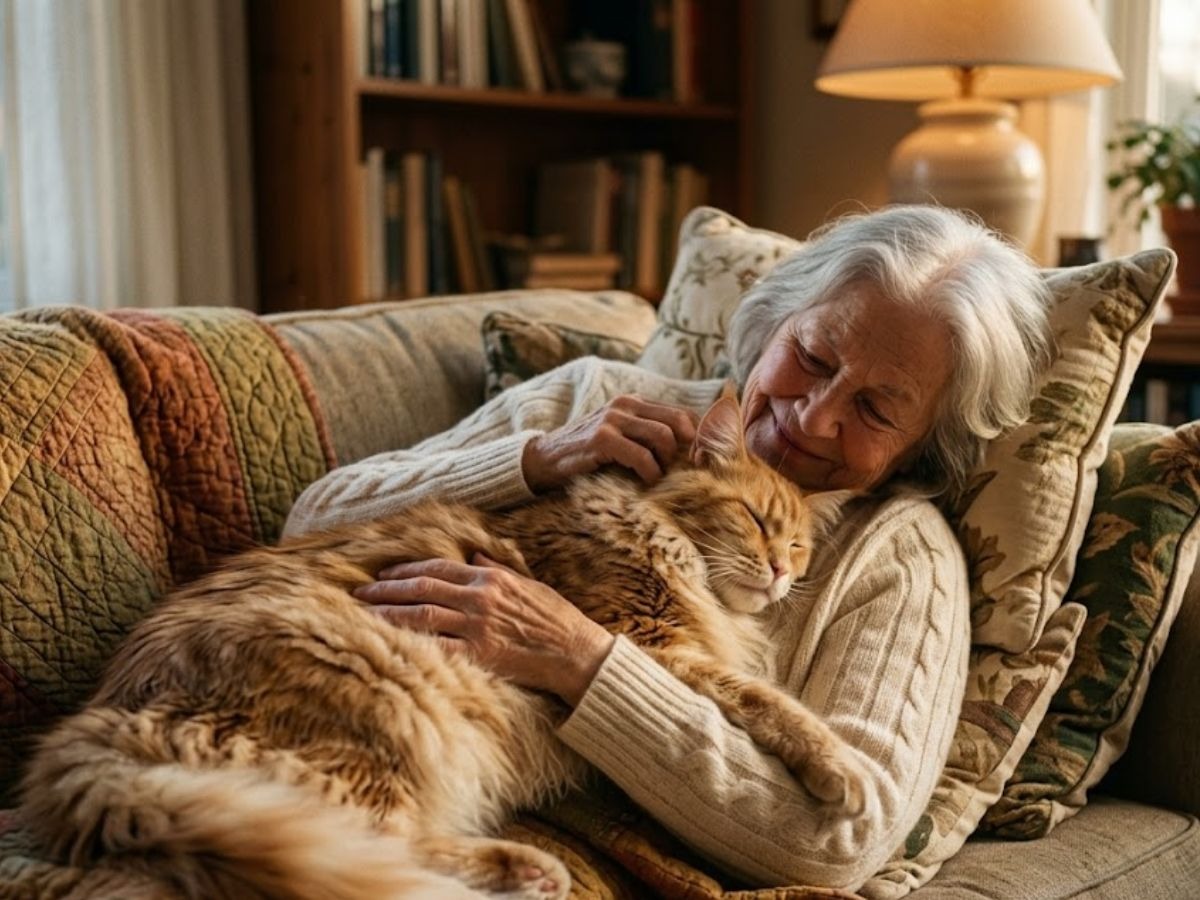
Bringing a massive feline into your home changes everything. You must adjust your physical space and your daily routines. These magnificent animals offer unparalleled loyalty and companionship. They challenge you to become a better, more attentive pet parent.
Observe your living space right now. Determine whether you have the time, space, and dedication to support a twenty-pound furry friend for the next fifteen years. Your commitment will reward you with endless affection.