
Nothing ruins a cozy home faster than the smell of cat pee on a mat. To know how to stop a cat peeing on a rug, first figure out why they’re doing it. Understanding the reasons behind their actions is the first step toward a peaceful, odor-free home.
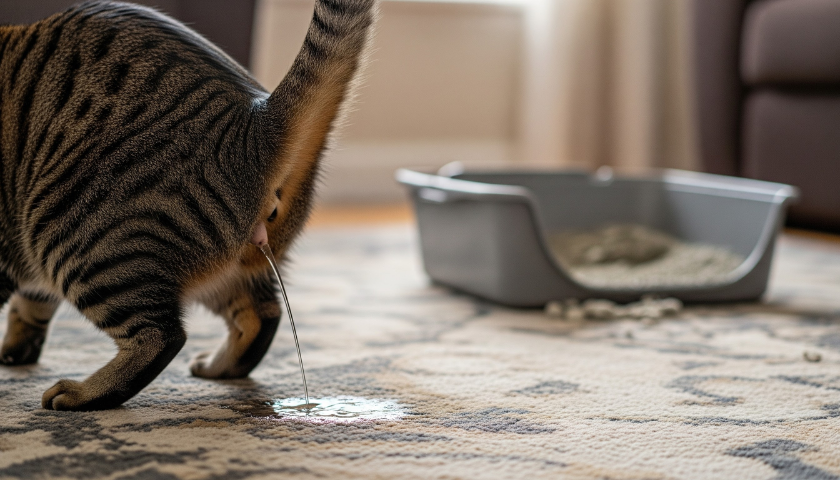
Cats may pee on rugs because the soft texture feels like litter, making rugs a tempting spot when something isn’t right. If it still smells like urine after cleaning, your cat might think it’s okay to pee on it again. In short, the texture and leftover smells make rugs attractive to cats as bathroom spots.
Medical problems often cause this behavior. Issues like urinary tract infections, bladder stones, or kidney disease make peeing painful or urgent for cats.
When cats associate their litter box with discomfort, they’ll seek out softer surfaces, like rugs, to find relief. Feline idiopathic cystitis, a stress-induced bladder inflammation, can also make cats pee more often, especially on delicate surfaces.
Behavior plays a big role when cats pee on rugs. Stress, changes at home, or tension with other pets can cause this. If the litter box is dirty or in a busy spot, your cat might avoid it. Cats may pee in the wrong place when they’re upset or uncomfortable, making rugs an easy target.
First, rule out medical causes. Take your cat to the vet for a urinalysis to check for infection, crystals, or blood. Treat any problems found right away.
If your vet says your cat is healthy, check the litter box, routine, and stress. Make sure the box is clean, private, and in a quiet spot—cats don’t like sharing or changes to their bathroom. Markings or accidents on rugs, especially near windows or doors, can indicate your cat feels anxious or competitive over territory.
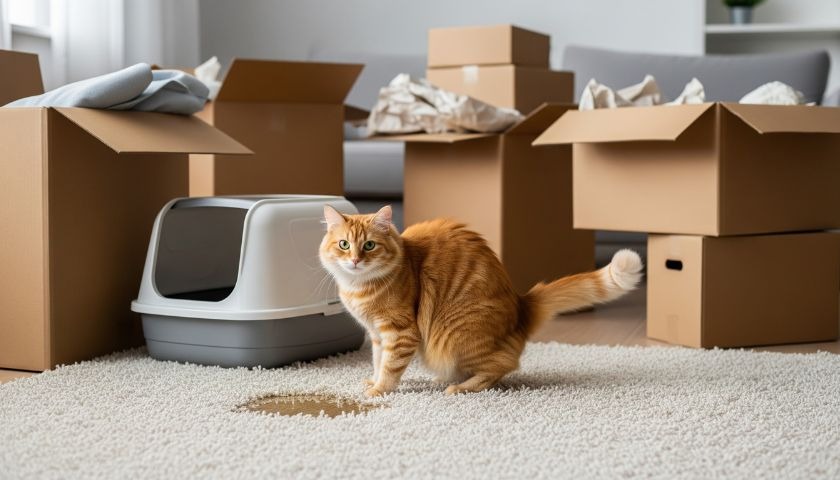
Think about what might have changed at home. Did the problem start after moving, bringing home a new pet, or making a lot of noise with renovations? Keep track of when and where your cat pees and whether they cover it up. These details show if your cat is marking territory or just avoiding the box, so you know how to help.
Cats are pretty clean animals. In their minds, there is a very good reason they are rejecting their toilet. We just need to figure out what it is.
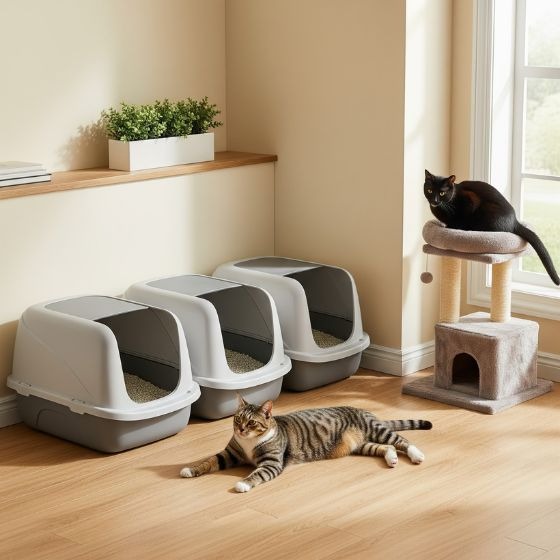
The rule is simple: One box per cat, plus one extra. If you have two cats, provide three boxes; if you have one cat, provide two. This ensures there’s always a clean, available litter tray and prevents any one cat from monopolizing a box.
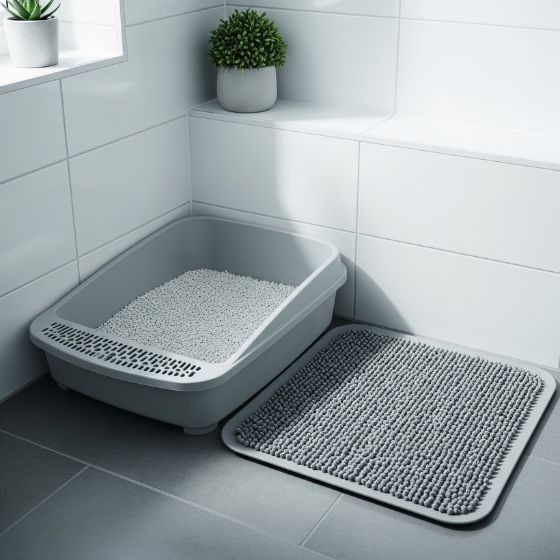
Think about where you’d want to go. Probably not in the middle of family chaos or next to your food, right? Cats feel the same way. They need privacy and safety.
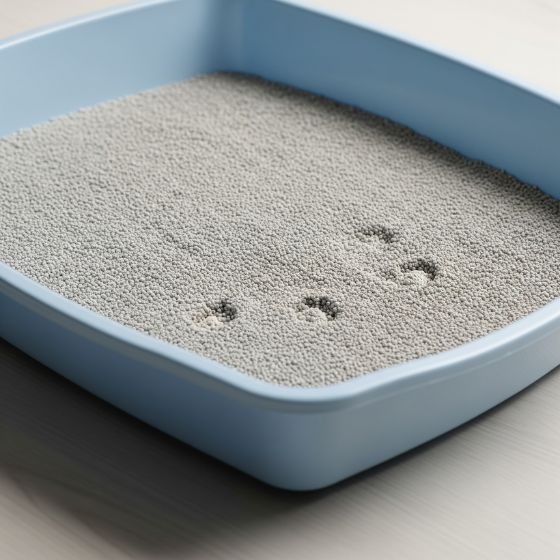
Let your cat show its preferences for boxes and litter. Many cats dislike hooded boxes because they trap odors and limit visibility, which makes them feel unsafe.
Most cats prefer soft, fine, unscented clumping litter. Strongly scented litter can overwhelm them, so stick to gentle options. If you’ve changed brands lately, that may be the issue.
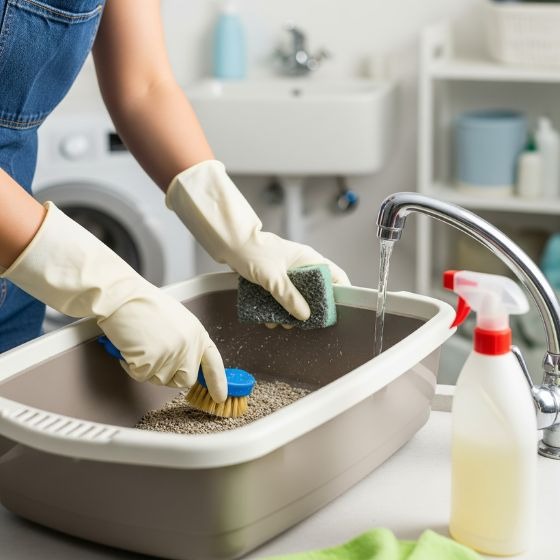
Keeping the litter box clean is key. Scoop at least once a day—twice is even better. Every week or two, wash the whole box with hot water and mild, unscented soap. Dirty boxes are a top reason cats look for other places to pee, like your rug. Regular cleaning is the best way to prevent cat peeing on rug surprises.
You can’t punish a cat into good behavior—it’ll only make things worse. Instead, focus on positive reinforcement and environmental management.
Here’s how to train your cat back to the litter box:
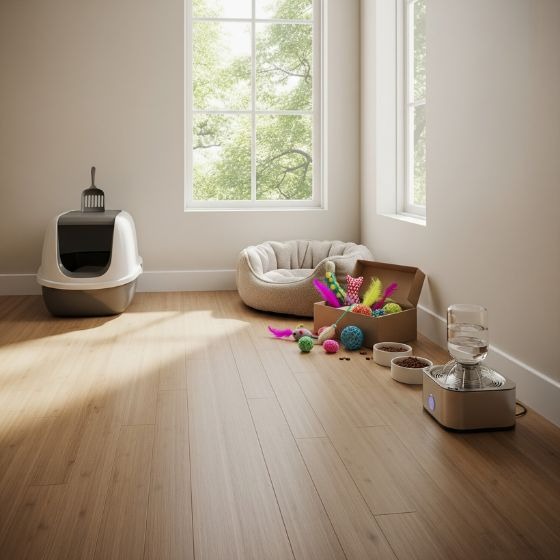
Place your cat in a quiet, enclosed room with no rugs or fabric surfaces. Make sure the room contains everything your cat needs: a clean litter box, fresh water, food, toys for stimulation, and a cozy bed for rest.
To reinforce good habits, position the litter box in one corner of the room and place the food and water bowls in the opposite corner. Cats instinctively avoid eliminating near their food and sleep areas, so this clear separation helps your cat relearn proper bathroom behavior in a safe and structured environment.
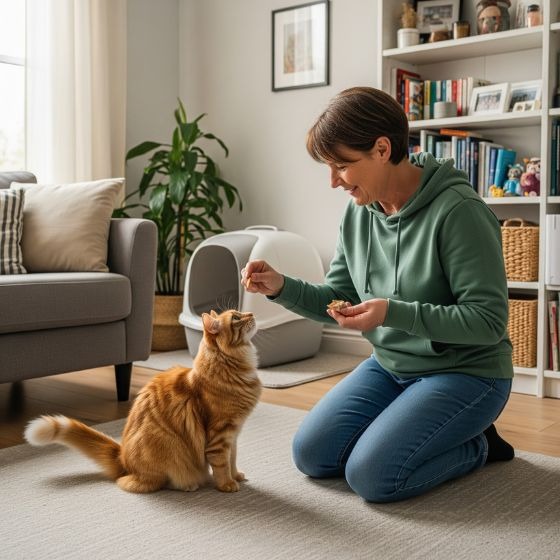
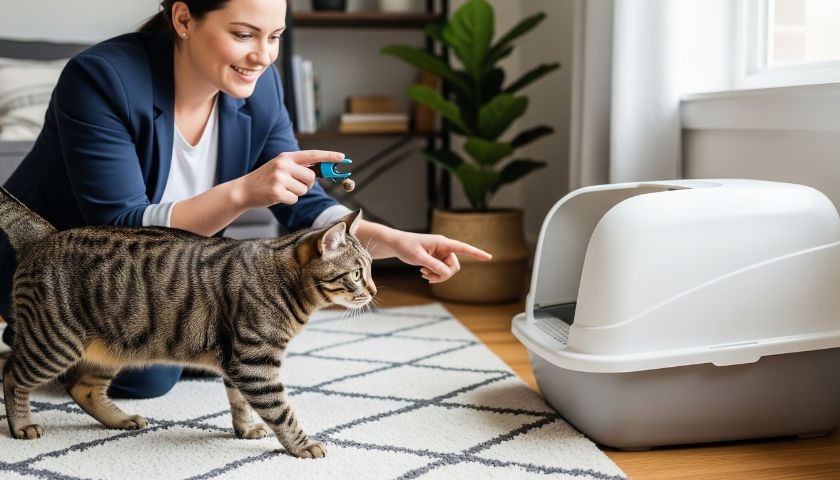
Reward your cat right after it uses the litter box by offering a treat, gentle praise, or playtime. Immediate positive feedback helps your cat link the box with good things. If you see your cat ignore a rug and choose the litter box, reward that behavior, too. This clear and timely reinforcement will help your cat keep making the right choice.
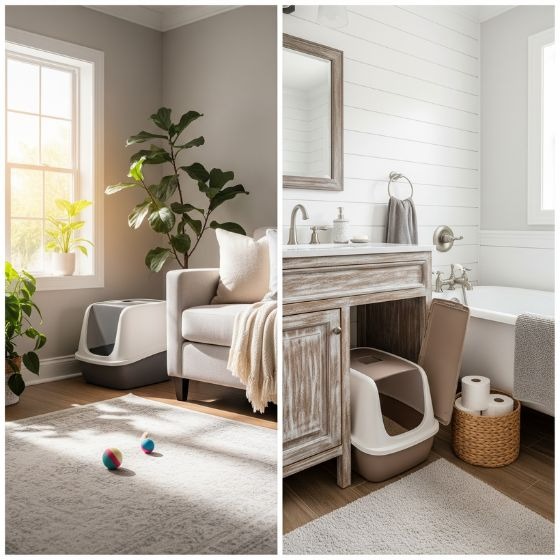
Let your cat into one more room after a week of using the litter box in their room. Keep rugs and other tempting surfaces out of reach until your cat consistently uses the box in the new area.
Watch your cat closely—if they continue to use the litter box, you can gradually open up more of your home. If any accidents occur, move the cat back to the original setup to reinforce good habits before trying again.
Keep the litter box clean, easy to find, and stress-free for your cat. Make using the box simple and avoid giving your cat any reason to look elsewhere.
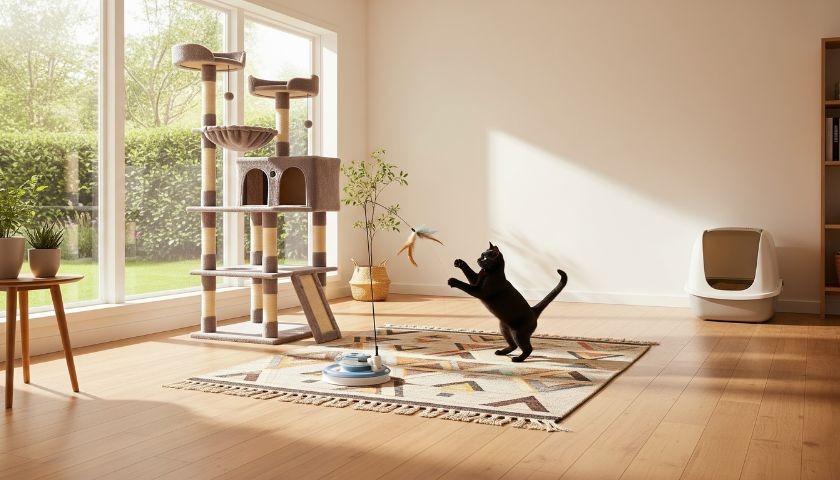
Stopping the behavior is good, but making your cat never want to do it again is even better.
That’s why your focus should be on understanding your cat’s needs, creating a positive environment, and building habits that last. Long-term prevention means a happier cat, cleaner rugs, and less stress for everyone.
Regular vet check-ups and weight management help prevent medical recurrences, since many urinary problems are tied to health and diet. Consider wet food or urinary-support diets only under vet guidance.
Don’t get discouraged if you’ve tried everything and the problem persists. Sometimes these issues take time, or sometimes anxiety runs too deep to tackle alone. Here’s your plan:
Even when we try our best, inappropriate urination can still happen. If you’ve ruled out medical causes, improved the litter box, and reduced stress without success, see a veterinary behaviorist. These specialists understand cats and can create a plan that fits your cat’s unique needs.
If your cat seems anxious, help your feline cope with stress. Professional help might include prescription drugs for anxiety, detailed plans for changing the environment, or special behavior modification plans. It’s okay to ask for help; some situations just need an expert to step in.
Veterinary behaviorists can assess your entire household dynamic and identify subtle triggers you might have overlooked. They’ll consider factors like whether your female cat is in heat, as hormonal influences can drive territorial marking. While you make major home improvements and clean, they may suggest boarding your cat at a vet.
You and your cat should have a good quality of life. Professional help improves your chances of success with medications, environmental changes, or the right strategies.
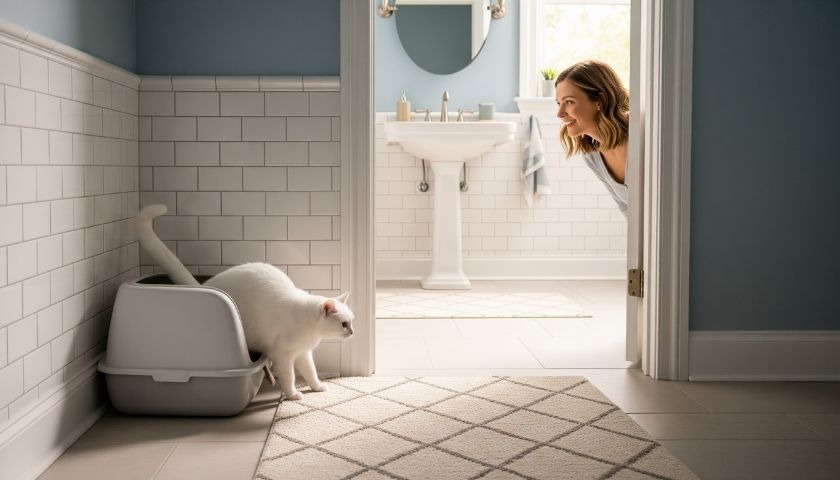
Finding a puddle on your rug can feel like a personal attack. But we promise, it is not. Your cat isn’t a tiny villain trying to ruin your day. They are sending you a message in the only way they know how. They are telling you, “I am in pain,” “I am scared,” or “My toilet is disgusting!”
You need to become a translator and be patient and understanding during this process. There is no quick fix. But you can solve this by carefully ruling out pain, making a perfect litter box, and lowering your cat’s stress.
Learning how to stop a cat from peeing on a rug is about figuring out what your cat needs. You won’t just protect your rug, but you’ll also build a happier, more trusting bond with your cat.