
You bring home a bubbling water fountain so your cat will drink more. Many cats are more interested in moving water than a bowl that has been sitting still all day. But you may also wonder, can water fountains make cats sick?
A fountain can become a hygiene problem when it isn’t cleaned regularly. Saliva, food particles, hair, dust, and mineral deposits can collect in the reservoir, pump, and other small parts. Over time, that buildup can contribute to microbial contamination.
The fountain itself isn’t necessarily the problem. What matters is how easy it is to keep clean and whether you actually clean the parts where water sits and flows. Veterinary guidance also recommends keeping cats’ water fresh and cleaning fountains regularly.
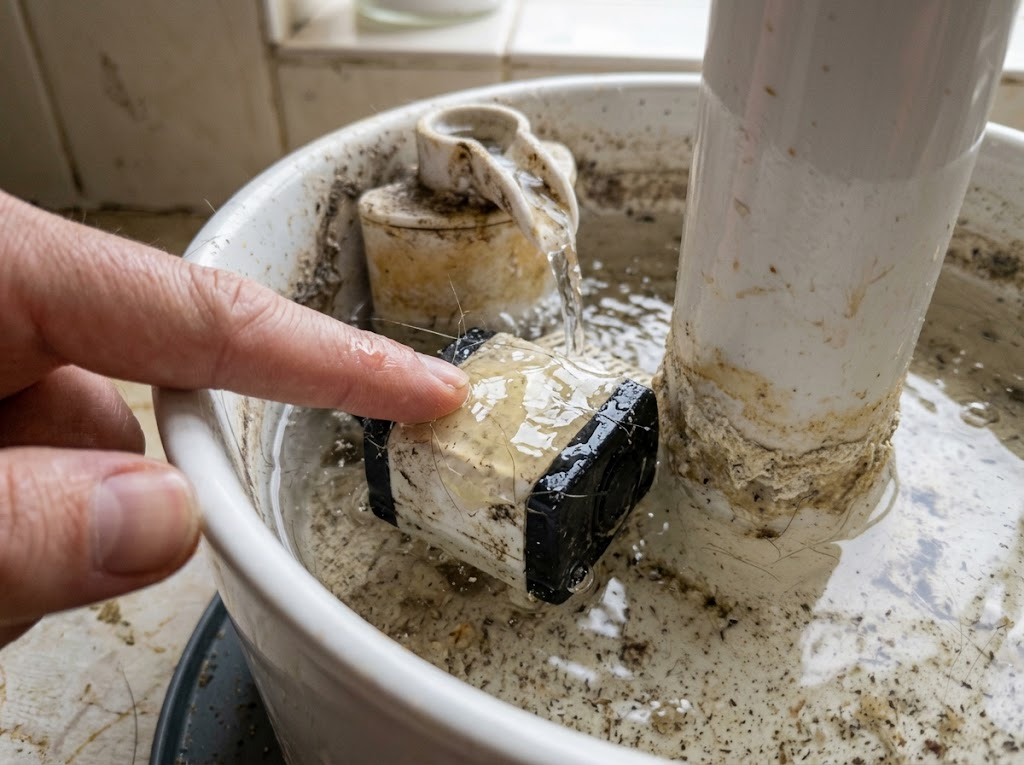
Every time your cat drinks, small amounts of saliva and debris can enter the water. Hair and dust can get in too. If the water isn’t changed and the fountain isn’t cleaned, this material can collect on wet surfaces.
One common problem is biofilm. It’s a thin layer that can form when microorganisms attach to a damp surface. You may notice it as a slippery or slimy coating around the reservoir, pump, or waterline. Adding fresh water won’t remove it.
Other warning signs are easier to spot. Bad smells, cloudy water, mineral buildup, or visible debris are all reasons to empty and clean the fountain rather than simply topping it off.
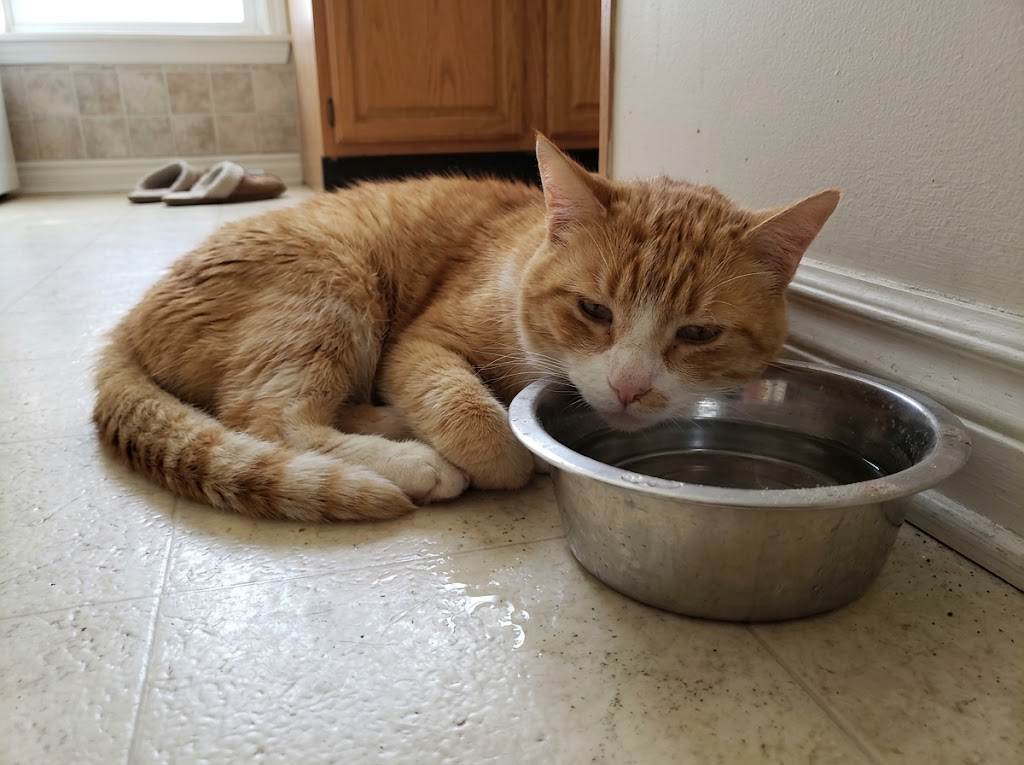
Visible mold or other contamination in a water fountain should be dealt with promptly. Empty the fountain and clean the entire unit before allowing your cat to use it again.
Look out for:
Those signs aren’t specific to contaminated water. Dietary changes, infections, parasites, and other health problems can cause similar symptoms.
Severe symptoms, repeated vomiting or diarrhea, or symptoms that don’t improve warrant a call to your veterinarian.
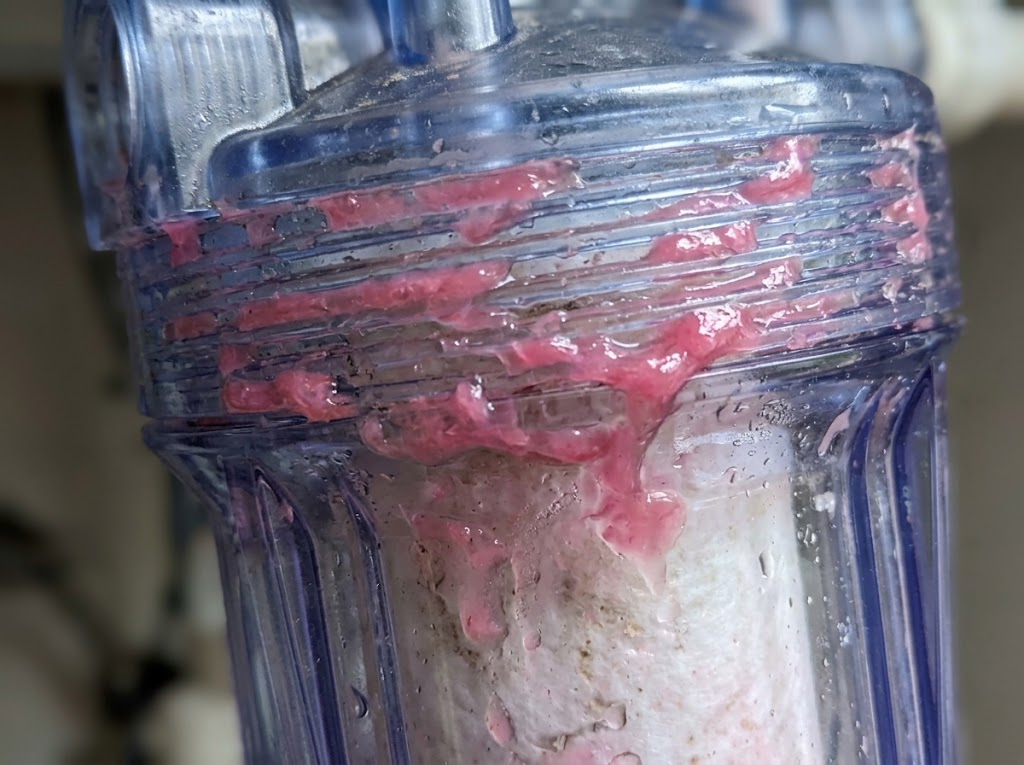
A slimy fountain usually has some combination of saliva, food particles, dust, and microbial buildup on its wet surfaces.
The water may still look clean while biofilm forms beneath the surface. Pumps, filter housings, tubing, and narrow channels are especially easy to miss during a quick rinse.
Pink or reddish slime also deserves attention. Certain bacteria, including Serratia marcescens, can produce pink or red-colored growth on damp surfaces. Color alone, however, isn’t enough to identify the organism.
If slime returns within a few days, take the fountain apart instead of repeatedly adding fresh water. Pay particular attention to the pump and filter housing, where buildup can hide.
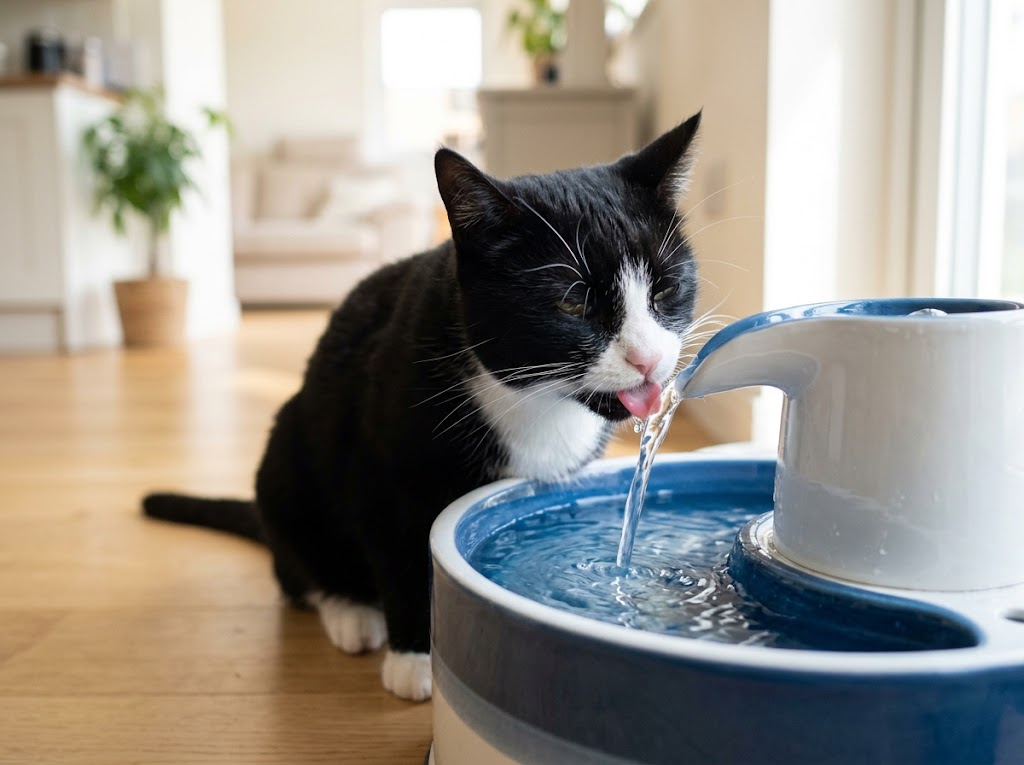
Some cats simply prefer moving water. It may seem fresher, feel cooler, or be easier for the cat to notice than a still bowl. According to the Cornell Feline Health Center, some cats drink more when offered a fountain, although individual preferences vary.
That can make a fountain useful for a cat that otherwise doesn’t drink much. Good water intake supports normal hydration and can be helpful for cats with certain urinary concerns, but a fountain isn’t a treatment for urinary or kidney disease.
A noticeable change in drinking habits is worth paying attention to. If your cat suddenly starts drinking much more or much less than usual, discuss it with your veterinarian rather than assuming the fountain is responsible.
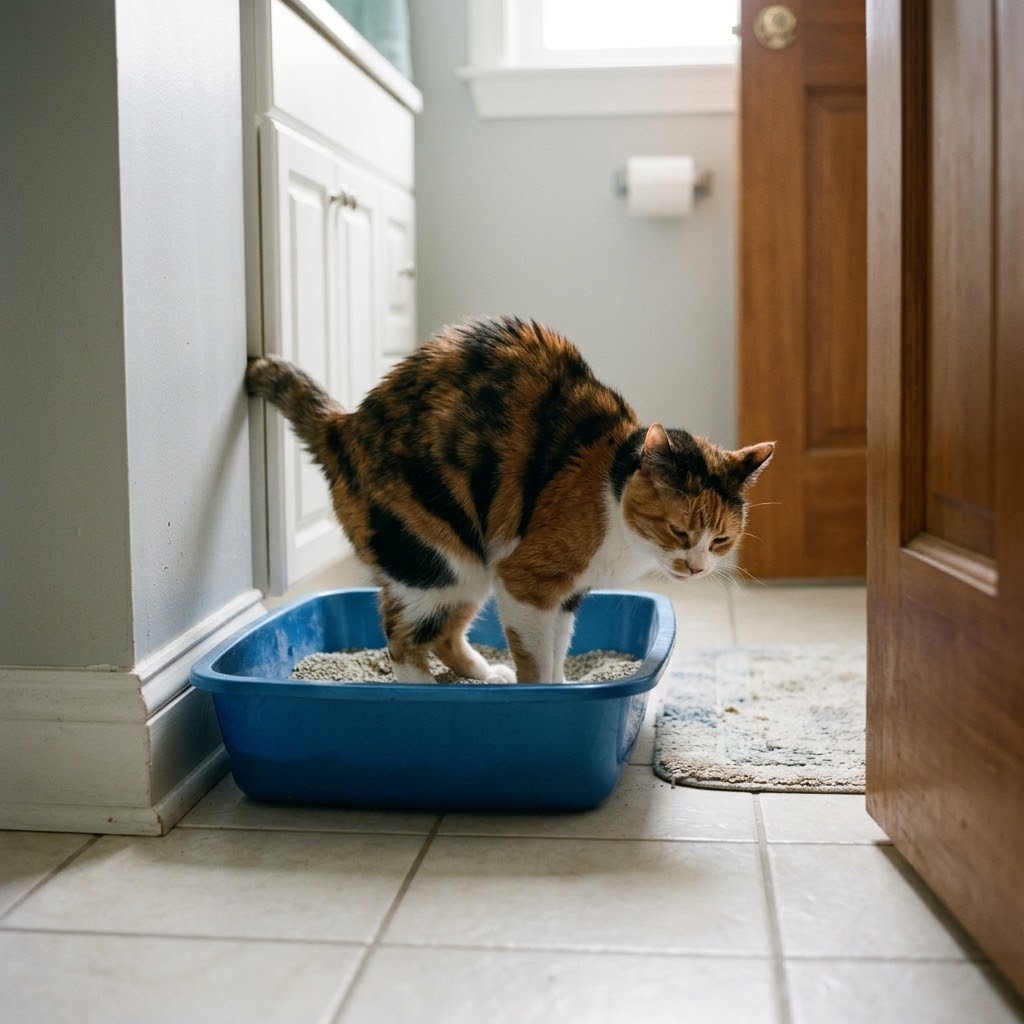
Not by itself. A fountain may encourage some cats to drink more, and good water intake can support urinary health, but it cannot prevent or treat every urinary problem. UTIs are also relatively uncommon in cats compared with other causes of lower urinary tract symptoms.
If your cat is straining to urinate, passing only small amounts, urinating outside the litter box, or showing blood in the urine, contact your veterinarian. A cat that cannot pass urine needs immediate veterinary attention because a urinary obstruction can be life-threatening.
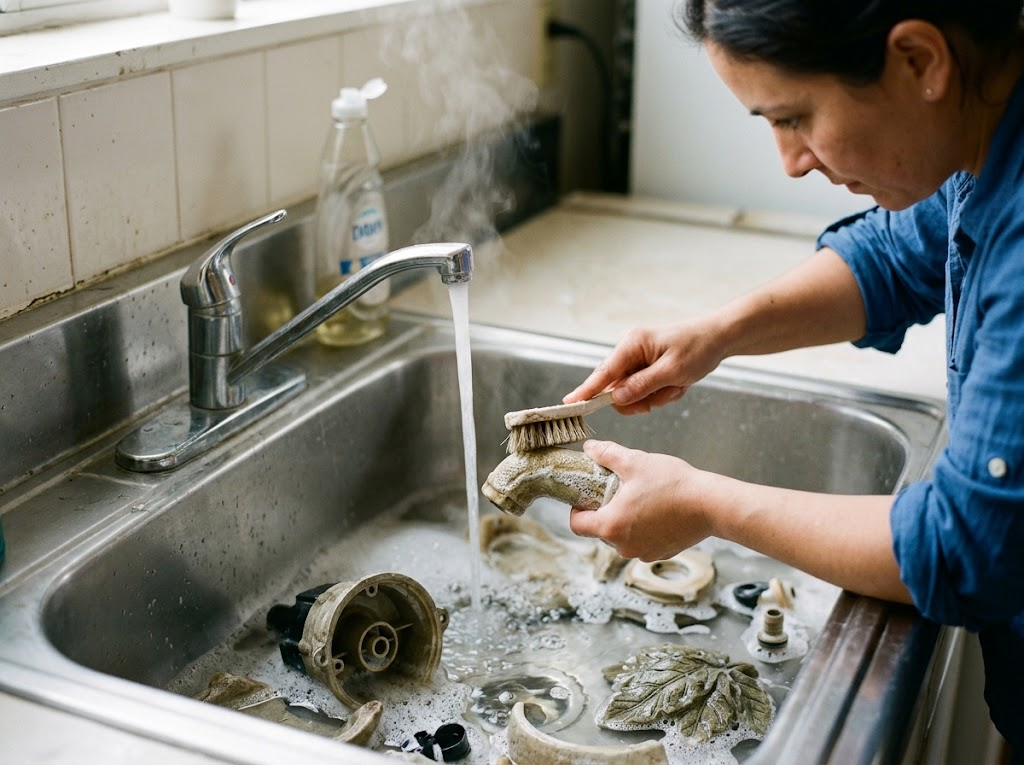
Rinsing the reservoir is only part of the job. The pump housing, impeller, filter compartment, and tubing can hold onto debris even when the main reservoir looks clean.
A practical cleaning routine is:
The exact schedule depends on the fountain, number of cats, water quality, and how quickly debris builds up. As a practical starting point, change the water frequently and give the fountain a thorough cleaning at least once a week unless the manufacturer says otherwise. VCA also recommends cleaning fountain filters weekly or according to the product instructions.
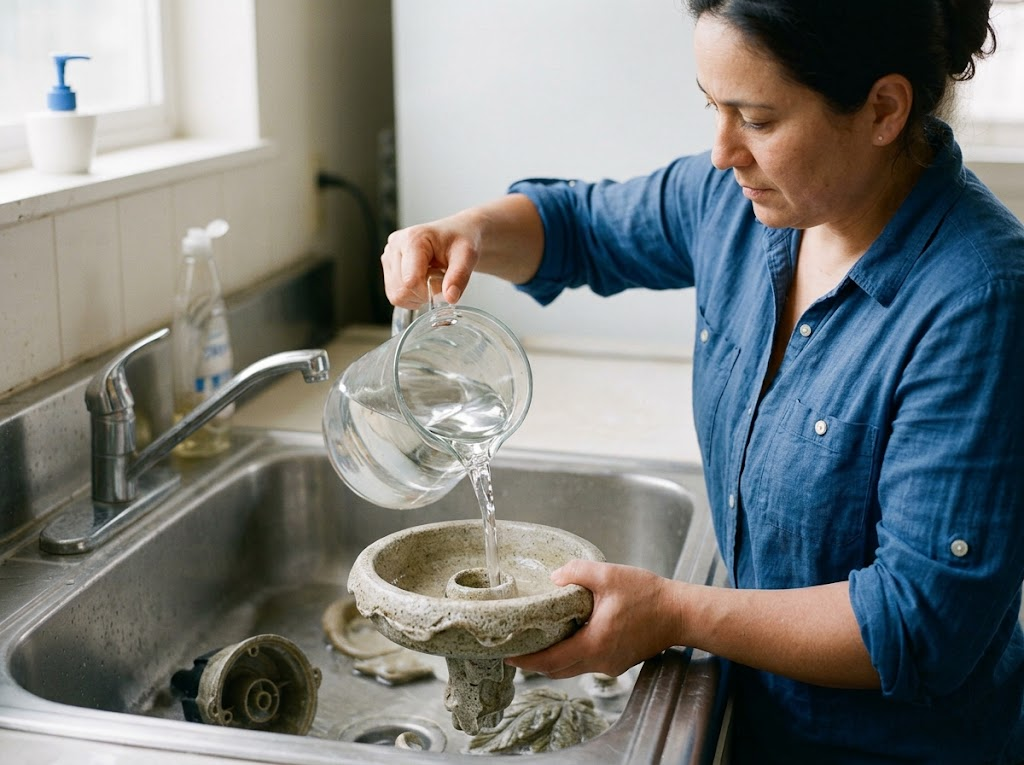
Fresh water should be added regularly instead of topping up the same supply indefinitely.
A simple routine is to empty the reservoir, rinse it, and refill it with fresh water at least every day or two. Check it daily for hair, food particles, cloudiness, or other debris.
Topping off doesn’t remove what is already sitting in the reservoir. If the water looks dirty or the fountain feels slimy, empty it and clean it.
Cats generally benefit from having fresh, clean water available at all times.
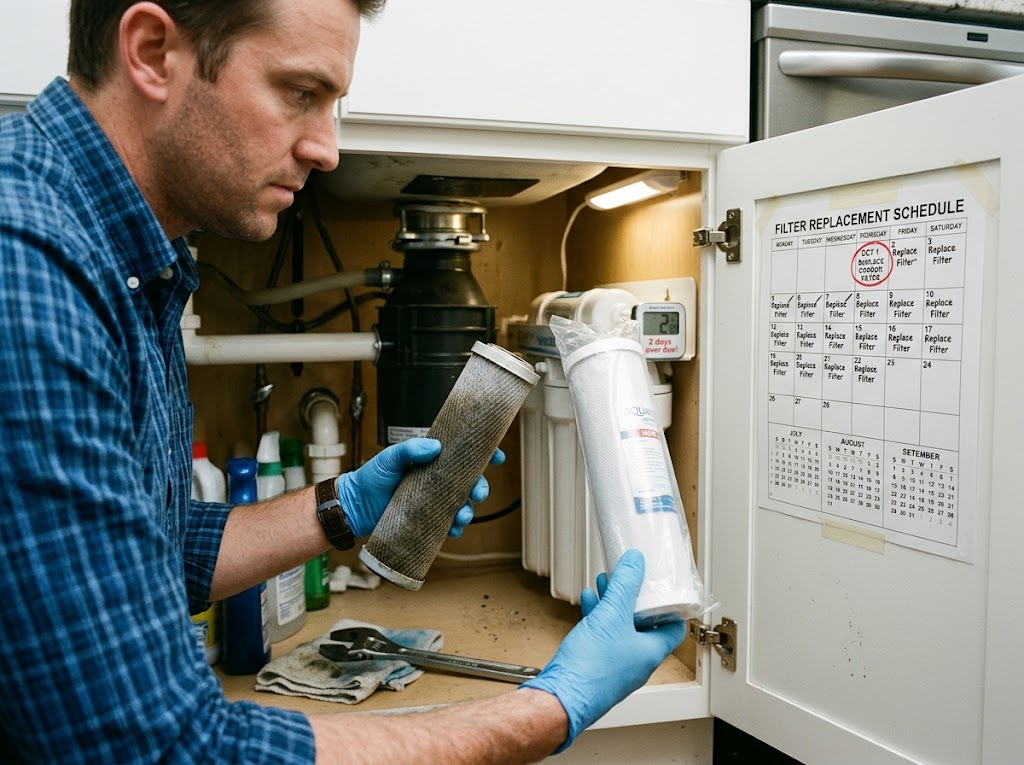
Filter life varies by fountain and filter type. Many carbon filters are replaced every few weeks, but the manufacturer’s instructions should take priority.
A filter may need earlier replacement when several cats use the fountain or when you notice visible debris, an odor, reduced water flow, or heavy soiling.
Don’t treat the filter as the whole cleaning system. It can help with the water passing through it, but it won’t remove buildup from the pump, reservoir, or other parts.
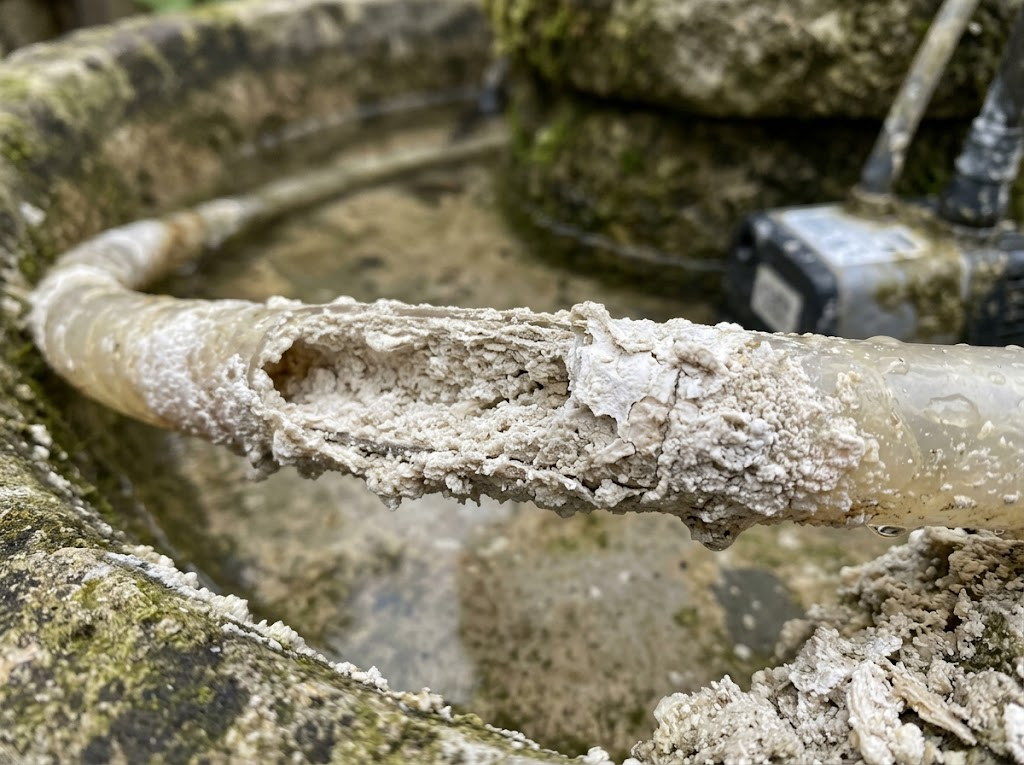
For many cats, ordinary tap water is fine. What matters for a fountain is the quality of your local water and how that water affects the machine.
Hard water contains higher levels of minerals such as calcium and magnesium. Those minerals can leave deposits inside the reservoir, pump, and tubing. Heavy buildup can restrict water flow and make the fountain harder to maintain.
Filtered water may help if you live in an area with hard water. It can also improve the taste or smell if your cat doesn’t like the local tap water.
If you’re unsure about your tap water, check local water quality information instead of assuming bottled water is safer.
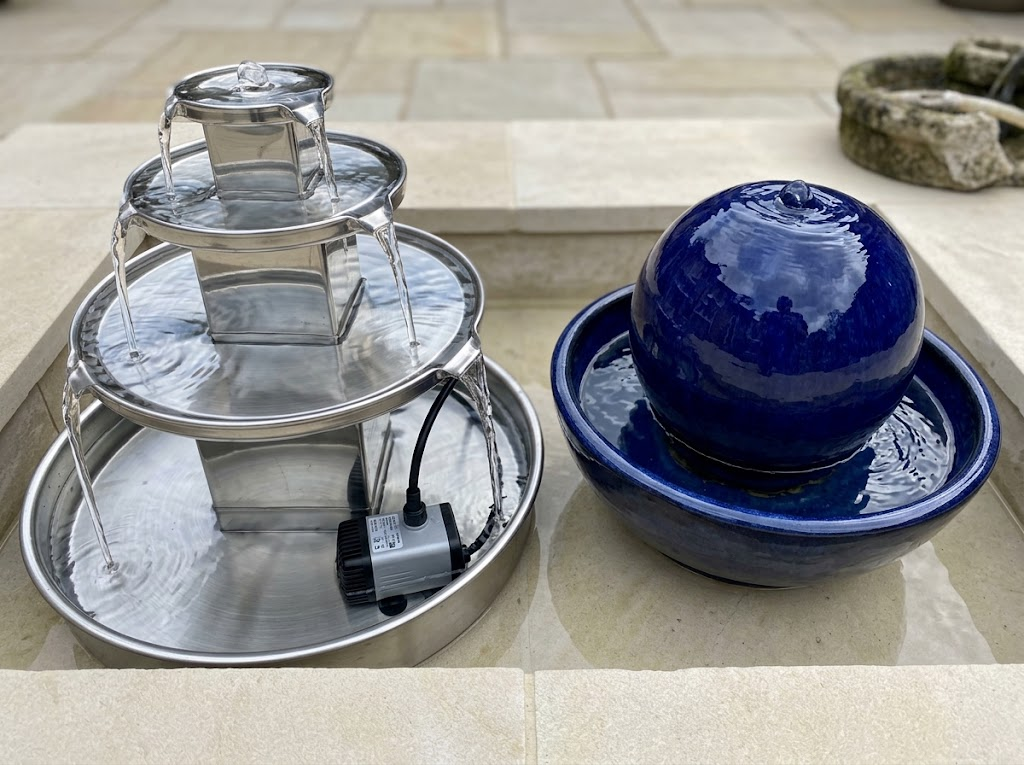
Material matters, but it’s only one part of the buying decision. Plastic fountains are popular because they’re lightweight and affordable. The downside is that scratches can make some plastic surfaces harder to clean thoroughly, especially when residue gets into damaged areas.
Ceramic and stainless steel are common alternatives. Their smooth, non-porous surfaces are generally easy to wash and aren’t prone to the same type of scratching that can occur with some plastic surfaces. Glass, metal, and ceramic are also among the bowl materials cats may prefer.
Some cats develop chin acne or irritation around food and water bowls. Plastic has been linked to feline chin acne in some cats, but the condition can have several possible causes. Changing the material may help some cats, although it isn’t a guaranteed fix.
For a fountain, though, construction can matter more than the material listed on the box. Before buying, check whether you can:
A stainless-steel fountain that is difficult to disassemble can be harder to maintain than a simpler plastic model that comes apart easily. Choose the fountain you can realistically clean every week, not just the one that looks nicest on the counter.
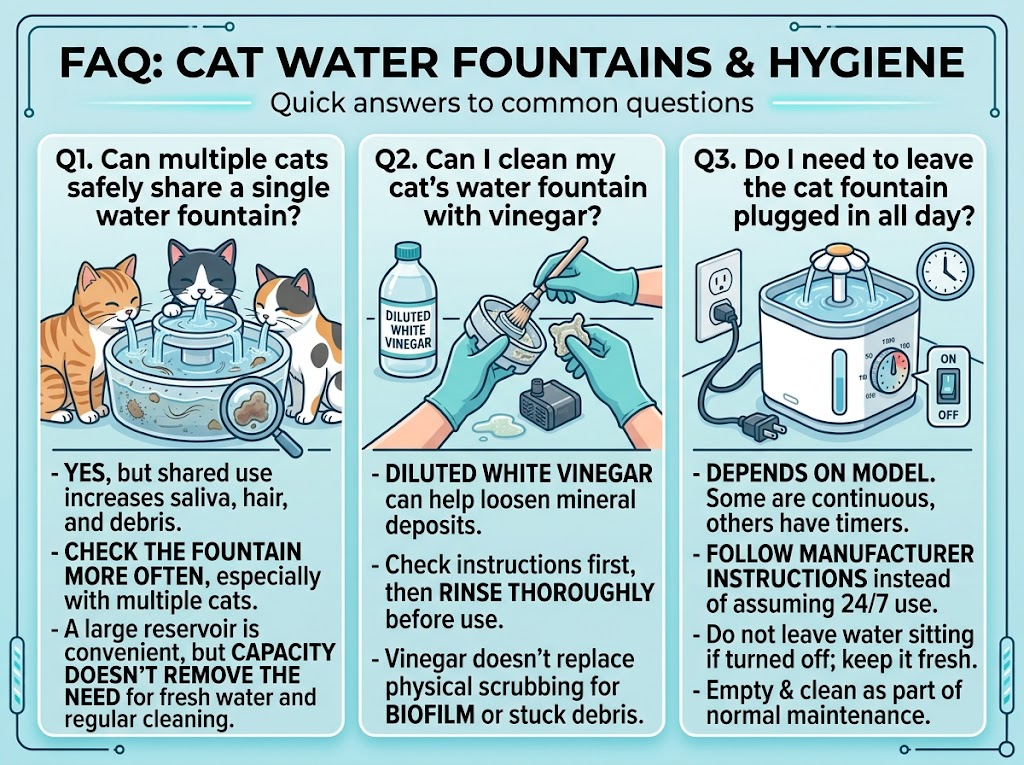
Yes. Multiple cats can share a fountain, but shared use means more saliva, hair, and debris can enter the water.
Check the fountain more often, particularly if several cats depend on it as their main water source. A larger reservoir can be convenient, but capacity doesn’t remove the need for fresh water and regular cleaning.
Diluted white vinegar can help loosen mineral deposits in many fountains. Check the manufacturer’s cleaning instructions first, then rinse all parts thoroughly before putting the fountain back into use.
Vinegar doesn’t replace physical scrubbing when you’re dealing with biofilm or stuck-on debris.
That depends on the model. Some fountains are designed to run continuously, while others include timers or intermittent settings.
Follow the manufacturer’s instructions instead of assuming every fountain should run 24/7. If you switch the fountain off for an extended period, don’t leave the same water sitting in it indefinitely. Empty and clean it as part of your normal maintenance routine.
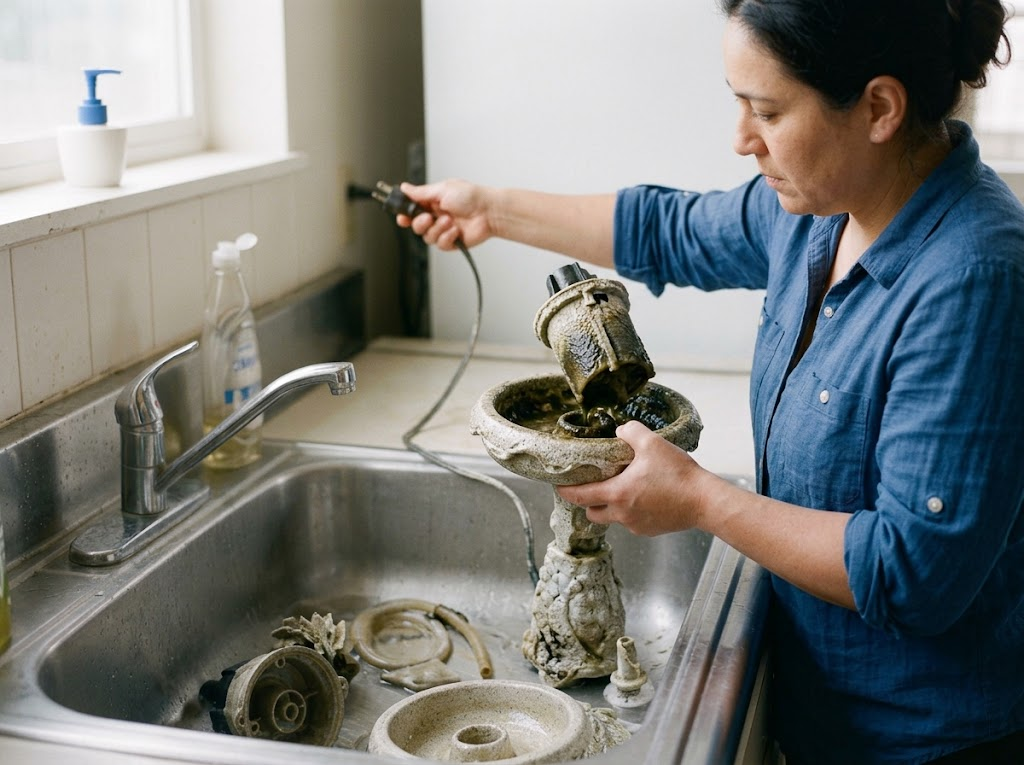
A foul odor, slimy surface, visible buildup, or debris are all valid reasons to stop and clean the fountain. Unplug the unit and remove any components you can safely take apart. Clean the reservoir, pump, impeller, filter housing, and other areas that come into contact with water. Replace the filter if it’s due for a change. Then refill the fountain with fresh water.
If your cat develops vomiting, diarrhea, lethargy, changes in appetite, or unusual drinking behavior, don’t assume the fountain is to blame. These signs can have several explanations, and persistent or concerning symptoms should be assessed by a veterinarian.