
You’ve probably heard the old stories: black cats bring bad luck, they’re distant, or they’re hard to bond with. It’s the kind of superstition that lingers long after it should’ve faded. So it’s no surprise many people still ask, are black cats affectionate, or are they really as cold as the myths suggest?
Most of those beliefs aren’t based in reality. Many black cats are actually clingy, loyal, and very playful. Some follow you from room to room, while others curl up beside you the moment you sit down.
In this guide, you’ll learn what shapes a cat’s personality and how to bond with especially affectionate black cats. By the end, you’ll see these “mini panthers” in a whole new light. Many of these insights come from veterinarians, shelter staff, and long-time black cat owners who know these personalities well.
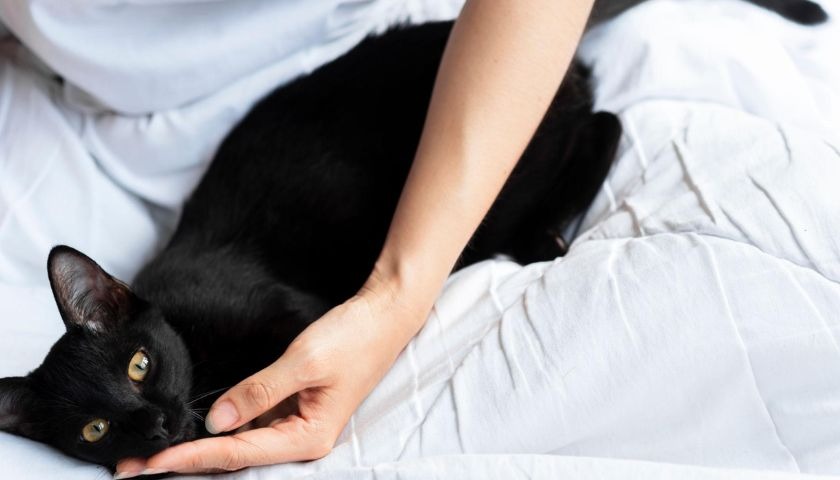
There’s long been debate about whether a cat’s fur color influences its temperament. Some people believe that black cats behave differently: more mysterious, more reserved, or even more loyal. While those traits sound charming, experts agree that fur color has little to do with personality.
Science, not superstition, explains how a cat behaves. These conclusions are backed by peer-reviewed studies in animal behavior and veterinary science, not just personal opinion. Veterinary research from Cornell, UC Davis, and other institutions finds no link between coat color and affection levels.
Experts agree that a cat’s coat color is genetic, while its personality comes from socialization and life experiences. In other words, the genes that make a cat black are separate from those that influence how affectionate it is.
Studies show no measurable link between fur color and a cat’s tendency to snuggle or seek attention. Researchers consistently report the same pattern across large groups of cats, which gives us strong, reliable data to work from.
So, black cats’ affectionate behavior comes down to how they were raised, handled, and loved. A well-socialized kitten often grows into an adult that loves cuddles, lap naps, and chin scratches.
You might wonder what creates such a strong bond. A cat’s environment and daily interactions play a big role. Here are the key factors that shape their behavior:
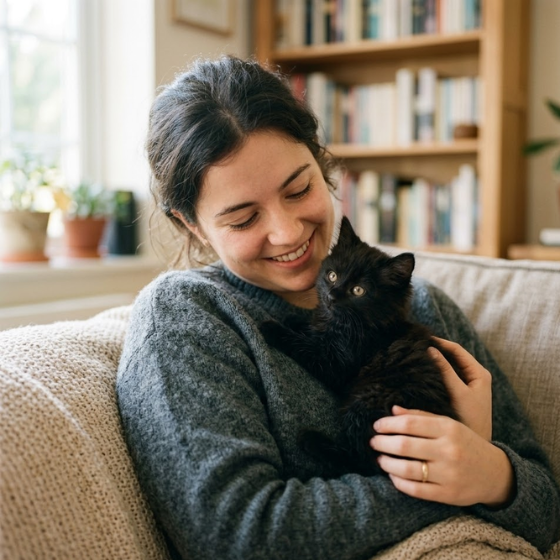
Kittens need gentle, positive contact with people in their first weeks. Good breeders and rescues focus on this crucial stage. Proper socialization helps them grow into confident, friendly cats.
This follows standard socialization guidelines recommended by veterinarians and professional behaviorists specializing in feline development. These recommendations match protocols from certified feline behavior consultants and welfare groups, linking early human contact to lifelong sociability.
They quickly learn that human hands mean food and comfort, building deep trust in people.
You can see the effects of hand-rearing every day. Hand-reared cats actively seek human attention and physical contact. They like to be involved in your daily activities.
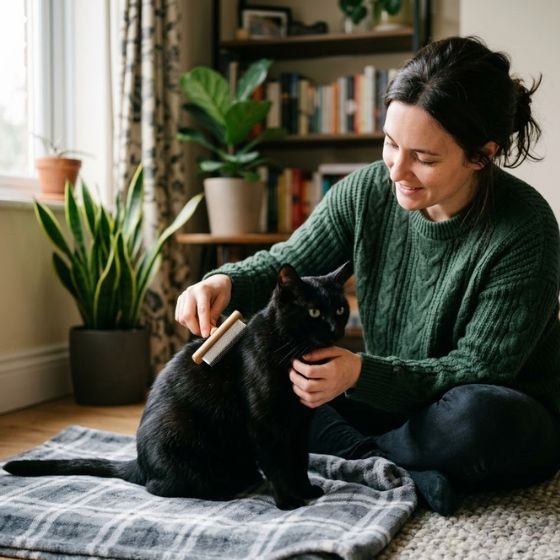
You shape your cat’s behavior through daily play. Treats encourage them to stay close, and feather toys help build a strong, interactive bond. These reward-based methods line up with modern, science-backed training approaches that avoid punishment and focus on trust.
Grooming sessions help you form a deep bond with your cat. Brushing their coat copies the care they felt as kittens. This simple routine keeps them relaxed and purring in your lap.
Grooming is one of the most commonly recommended bonding activities by feline behavior experts because it combines touch, routine, and comfort. Many veterinary clinics report that regularly groomed cats show lower stress and stronger attachment in behavioral studies.
You reinforce their sweet nature every time you pet them. They learn that staying near you brings pleasant rewards.
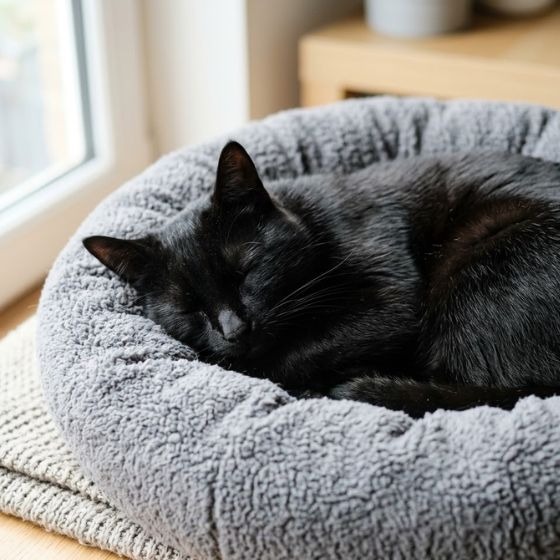
A calm home environment reduces stress in pets. Animals feel safe when they have quiet spaces to rest. This safety allows their true personality to shine through. Behaviorists often see fearful cats relax and grow more affectionate once their surroundings become calmer and more predictable.
You provide scratching posts and comfortable beds for them. These resources prevent anxiety and promote relaxation. Relaxed felines show much more love to their owners.
Chaotic homes often lead to skittish, nervous pets. Keeping a calm, peaceful atmosphere helps your cat feel safe. In return, they greet you with headbutts and gentle purrs.
Dark fur appears in many recognized breeds. “Black” refers to coat color, not a specific breed. Let’s look at how certain pedigrees can influence personality traits.
These observations reflect long-standing breed standards, breeder reports, and owner feedback collected over many years. Registries like The International Cat Association (TICA) and the Cat Fanciers’ Association (CFA) document these traits, adding data-backed depth to what owners often notice anecdotally.
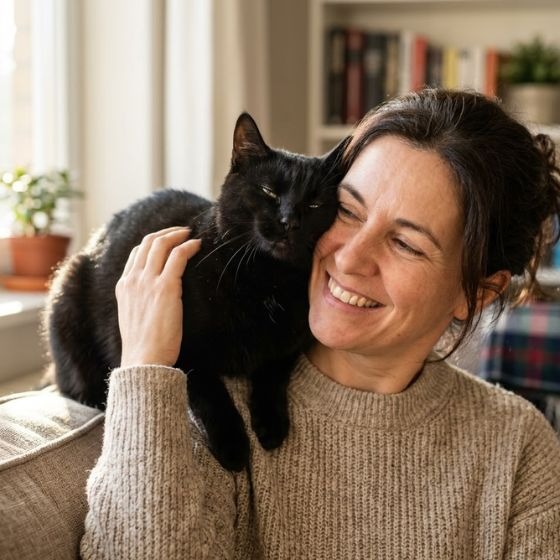
To understand feline personality, it helps to look at specific breed standards. Some dark-coated breeds are known for extreme friendliness. Whether black cats are the most affectionate pets depends entirely on their specific lineage and breeding history. Breeders select for friendly temperaments over many generations. Responsible breeders keep detailed records of temperament in their lines, which helps them consistently produce cats with stable, people-oriented personalities.
The Bombay breed actively demands constant lap time from owners. Maine Coons and Persians are known for their especially loving nature. These breeds often have beautiful dark coats. If you bring one home, you can expect plenty of affection.
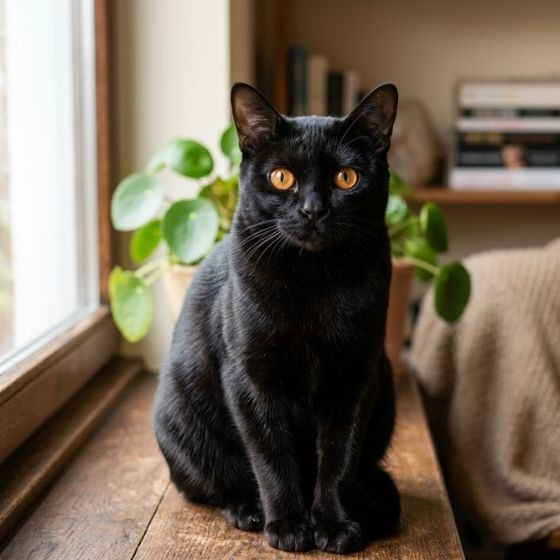
Breeders developed the Bombay to look like a miniature panther. They crossed sable Burmese cats with black American Shorthairs, creating a very outgoing and social breed. Breed clubs and feline associations often highlight Bombay cats as classic examples of highly social, people-focused cats.
These cats dislike being left alone for long. They greet guests at the door with cheerful chirps and constantly weave around your feet in the kitchen.
Are black cats the most affectionate when they belong to the Bombay breed? Many owners enthusiastically say yes. These cats live for human interaction and physical touch.
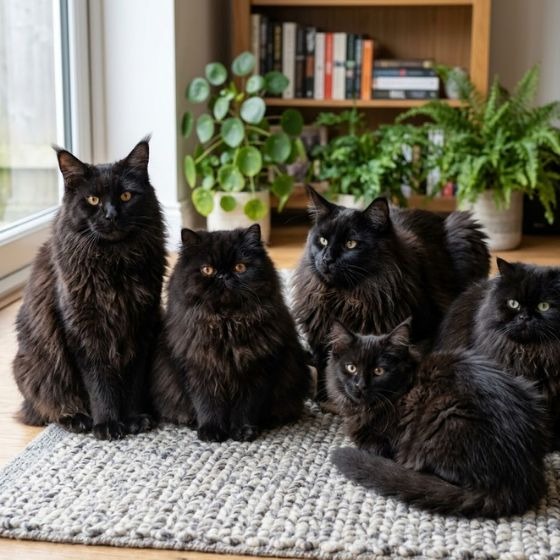
Maine Coons grow large but stay gentle, earning the nickname “gentle giants.” Their easygoing nature shows up again and again in breed descriptions, vet notes, and owner stories. They quietly follow their owners from room to room.
Persians love to lounge on soft furniture all day. They enjoy quiet grooming sessions and gentle petting, and they often form deep bonds with their favorite people.
Both breeds come in solid dark shades, offering a striking look and a loving temperament. They’re ideal companions for calm, laid-back homes. Many adopters say that once these cats feel secure, they quickly become calm, steady companions.
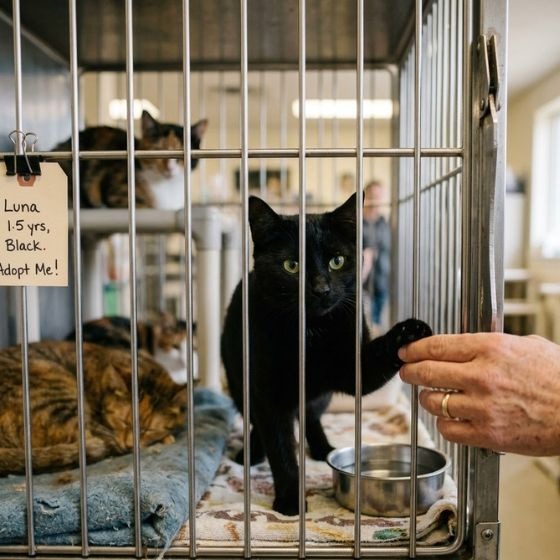
Animal shelters offer unique insight into feline behavior. Shelter workers and volunteers spend hours watching how cats handle strangers, stress, and routine, so they recognize common traits.
Staff see how different cats interact with potential adopters. Several rescue coordinators report that black cats often score high for sociability in behavioral evaluations across multiple shelters.
Dark-coated cats often try harder to win people over. Many shelter teams notice black cats become especially affectionate once they realize attention brings comfort and safety.
They often stay in shelters longer because of superstition. To get noticed, they reach their paws through the cage bars and actively seek attention from anyone who walks by.
Black cats often seem more affectionate once they finally find homes. They show clear gratitude for their new, comfortable life, and you’ll quickly see their deep devotion after adopting one.
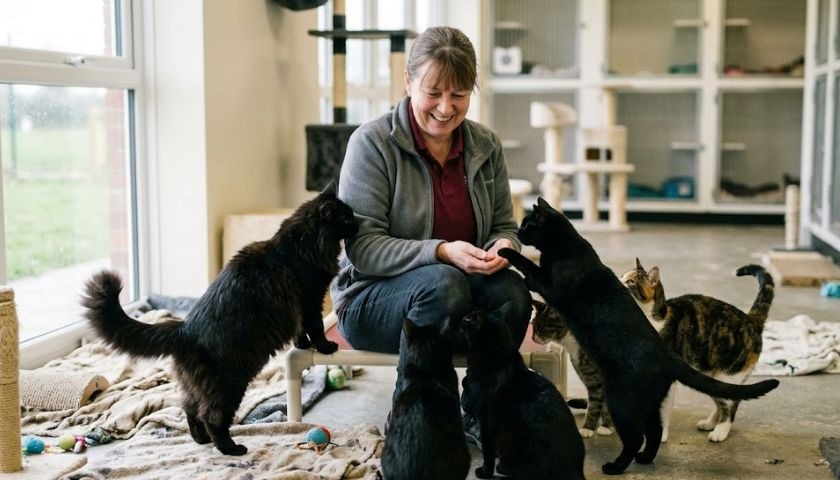
According to reputable welfare sources and adoption databases, black cats thrive when given stable, loving care, rewriting old superstitions. It’s time to let go of outdated ideas. Black cats aren’t unlucky, distant, or hard to love. In fact, they’re some of the most overlooked companions you can find.
When you walk into a shelter, it’s easy to overlook darker-coated animals. That choice often has nothing to do with personality; it’s just visual bias. That bias means many affectionate, well-socialized cats wait longer for homes. Shelter statistics worldwide show black and dark-coated cats are often adopted last, despite their friendly personalities.
If you’re thinking about getting a cat, take a step back. Spend time with a few different ones, especially the black cats that tend to get ignored. Let their behavior, not their appearance, guide your decision. By focusing on behavior, you’re using the same approach animal professionals use to match cats with the right homes.
You might be surprised by what happens. One of them may climb into your lap, purr without hesitation, and refuse to leave your side. That’s not bad luck; that’s a connection.
So, are black cats affectionate? Yes, they absolutely can be. Science, shelter experience, and everyday owners all point to the same answer: affection depends on upbringing, not fur color. And if you give one a chance, you’re not just adopting a pet; you’re gaining a loyal companion that sticks with you through everything.
If you already have one, you know the deal. If you don’t, maybe it’s time to meet your future shadow.